
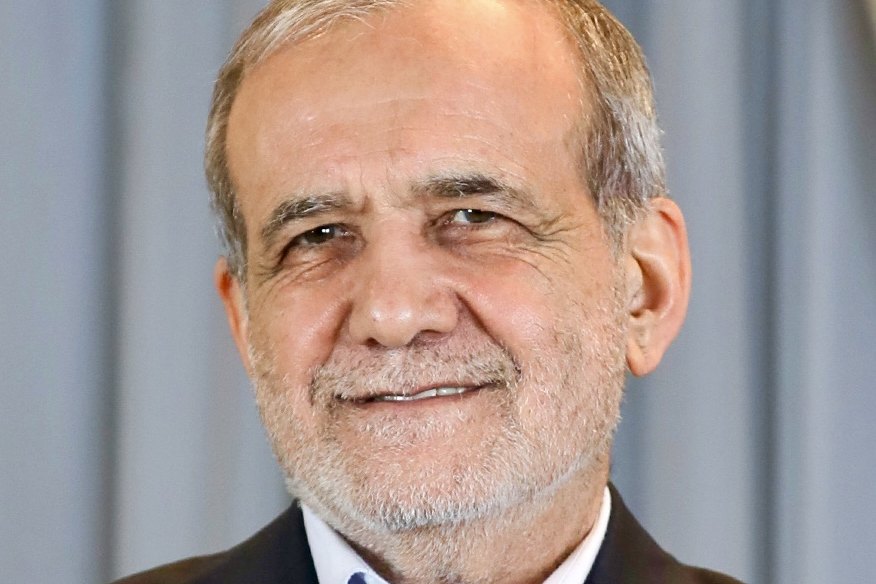
On May 25, 2026, Iranian President Masoud Pezeshkian issued a directive to restore internet connectivity across the country, bringing an end to an 87-day blackout that began at the onset of the Iran war three months prior. The decision marks a notable shift in the nation’s domestic policy following sustained international criticism.
The restoration has been welcomed by the United States Department of State, which described the move as a constructive advancement for freedom of expression and information access. A department spokesperson highlighted the importance of such steps for citizen rights. NATO Secretary-General Jens Stoltenberg also addressed the development, underscoring the need to uphold human rights and fundamental freedoms within Iran.
International alliances have been closely observing Iran’s actions during the blackout period. The AUKUS partnership—comprising Australia, the United Kingdom, and the United States—has tracked the situation, with Australian Prime Minister Anthony Albanese voicing apprehension over the blackout’s effects on the Iranian populace. Similarly, the Quad group, which includes the United States, India, Japan, and Australia, has advocated for a free and open Indo-Pacific region and has raised concerns regarding Iran’s human rights practices. Indian Prime Minister Narendra Modi has stressed the necessity for Iran to guarantee citizens’ rights to information and communication.
President Pezeshkian’s order is viewed as a significant concession amid international pressure. As head of government and the second-highest ranking official in Iran, his authority is exercised within the framework of the supreme leader’s directives, who holds the highest political and religious position. This action may indicate the supreme leader’s openness to international engagement.
U.S. National Security Adviser Jake Sullivan has stated that the United States remains prepared to discuss various issues with Iran, including human rights and nuclear non-proliferation. The U.S. Congress has been particularly critical, with Senator Bob Menendez, Chairman of the Senate Foreign Relations Committee, advocating for increased accountability and transparency from Tehran. The European Union has also voiced concerns, with EU High Representative Josep Borrell affirming the bloc’s dedication to promoting human rights and fundamental freedoms in Iran.
With internet services restored, Iranians now have access to social media, news websites, and other communication platforms, enabling broader connection with the outside world. Throughout the blackout, the U.S. Agency for Global Media—which operates Voice of America and Radio Free Europe—continued to provide news and information to Iranian audiences. The agency plans to maintain its services following the restoration.
While the reconnection is a positive step, international observers note that significant work remains to address Iran’s overall human rights record. The global community is expected to monitor the country’s progress closely in the coming months.




