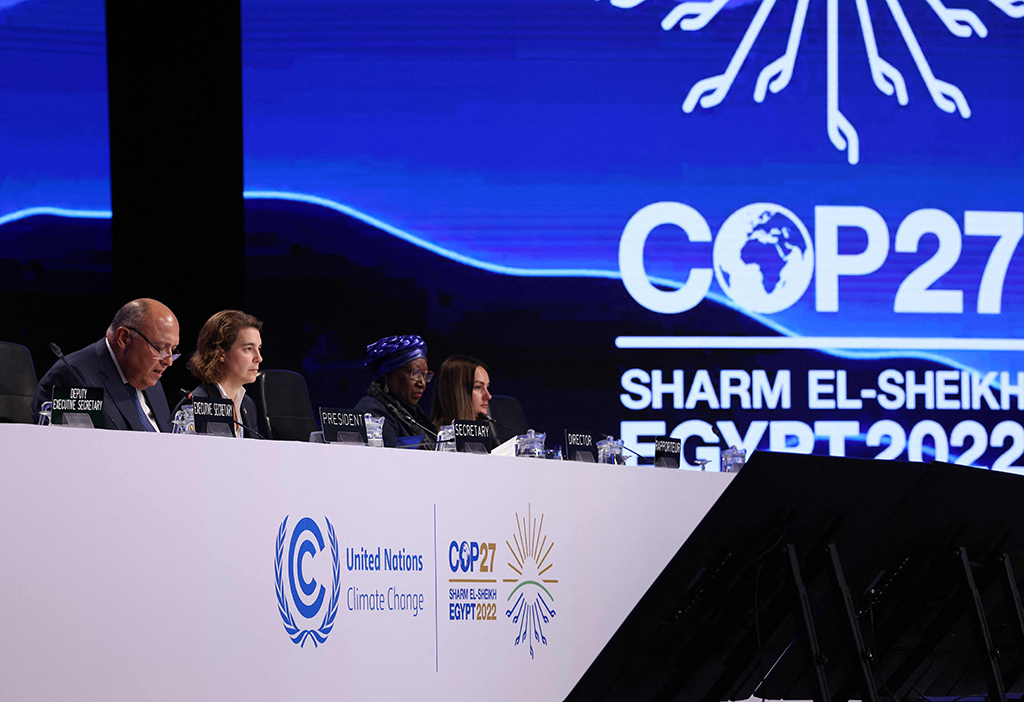
The 2022 United Nations Climate Change Conference, also known as COP27, came to a close on November 20, 2022, in Sharm El Sheikh, Egypt, after two weeks of discussions and negotiations among world leaders. The conference, which was attended by more than 92 heads of state and an estimated 35,000 representatives from 190 countries, aimed to address the pressing issue of climate change and its impacts on the global community.
The COP27 conference was the 27th United Nations Climate Change conference, and it was the fifth climate summit held in Africa, with the previous one taking place in 2016. The conference has been held annually since the first UN climate agreement in 1992, except in 2020 when it was cancelled due to the COVID-19 pandemic. The event provides a platform for governments to agree on policies to limit global temperature rises and adapt to the impacts associated with climate change.
The conference was held under the presidency of Egyptian Minister of Foreign Affairs Sameh Shoukry, who played a key role in facilitating the discussions and negotiations among the participating countries. The large turnout of heads of state and government representatives underscored the importance of the issue of climate change and the need for collective action to address its challenges. The conference also brought together a wide range of stakeholders, including civil society organizations, businesses, and indigenous communities, to share their perspectives and experiences in addressing climate change.
One of the significant outcomes of the COP27 conference was the creation of the first loss-and-damage fund. This fund is intended to support countries that are vulnerable to the impacts of climate change, such as rising sea levels, droughts, and extreme weather events. The establishment of this fund is a major step forward in recognizing the need for financial support to help countries adapt to the impacts of climate change and to support those who are already experiencing its effects.
The COP27 conference also highlighted the importance of international cooperation and collective action in addressing the global challenge of climate change. The conference provided a platform for countries to share their experiences, exchange ideas, and learn from each other’s successes and challenges. It also underscored the need for urgent action to reduce greenhouse gas emissions and to transition to a low-carbon economy. The conference outcomes will be closely watched in the coming months and years to see how they are implemented and what impact they will have on the global effort to address climate change.
As the world looks to the future, it is clear that the issue of climate change will remain a major challenge that requires continued international cooperation and collective action. The outcomes of the COP27 conference will be an important step forward in addressing this challenge, but much work remains to be done. In the coming months and years, it will be important to watch how the loss-and-damage fund is implemented and how countries follow through on their commitments to reduce greenhouse gas emissions and adapt to the impacts of climate change. The success of these efforts will be critical in determining the effectiveness of the global response to climate change and in ensuring a sustainable and resilient future for all.