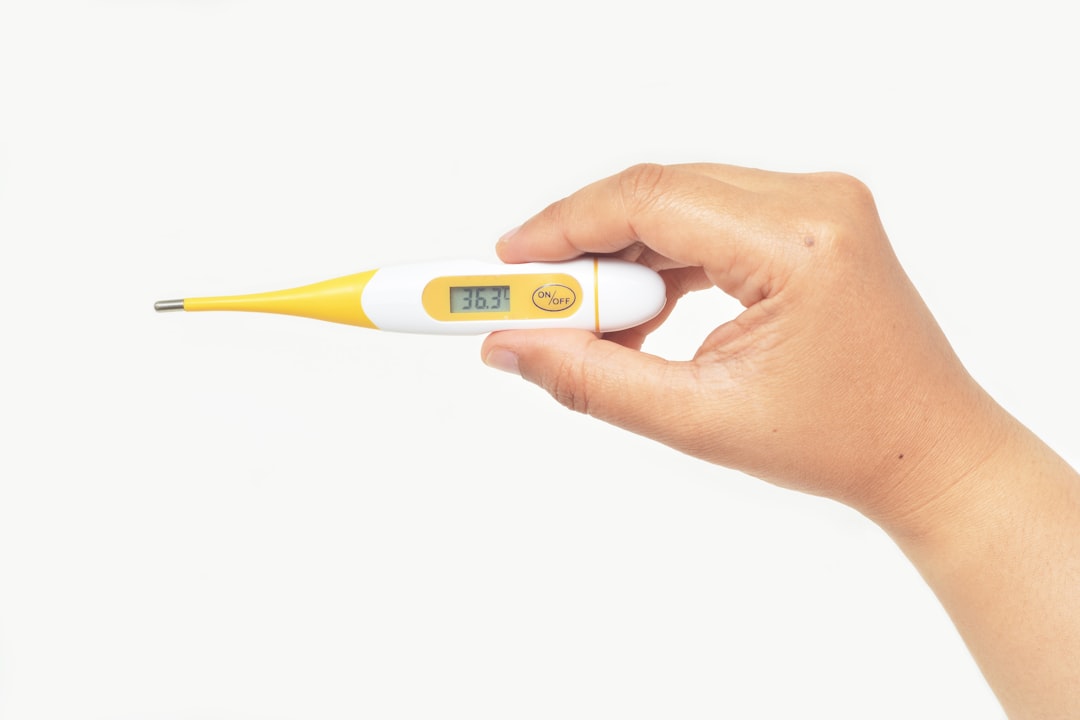
Arizona’s emergency rooms are seeing a surge in heat-related cases as the state weathers a punishing heat wave that prompted Governor Katie Hobbs to declare a state of emergency. Hospitals and emergency services are reporting a sharp increase in patients suffering from heat exhaustion and heatstroke. The elderly, young children, and those with pre-existing medical conditions are the most vulnerable. Officials are urging these groups to take extra precautions: stay hydrated, avoid strenuous activity, and seek shade or air conditioning.
The declaration unlocks state resources for cooling centers, water distribution, and medical aid. But the strain on the state’s infrastructure goes beyond human health. The power grid is under heavy load as air conditioners run nonstop. Water supplies are also feeling the pressure. The combination of scorching temperatures and dry conditions is raising the risk of wildfires. A major fire could devastate communities and the environment.
Temperatures in some areas have hit record highs. That kind of heat does not just affect people. Arizona’s wildlife and ecosystems are under threat. The state’s natural habitats are finely balanced, and extreme heat is tipping that balance. The long-term consequences for the environment could be severe. The heat wave is a reminder that the state’s natural world is not immune to the crisis.
The emergency declaration is a clear signal of how serious the situation has become. It allows the state to move quickly, deploying resources where they are needed most. Cooling centers are opening in affected areas. Water distribution points are being set up. Medical teams are being sent to help those who are already sick from the heat.
For residents, the advice is simple but critical. Stay inside during the hottest part of the day. Drink plenty of water. Check on neighbors, especially the elderly. Do not leave children or pets in cars. The heat is not just uncomfortable. It is deadly.
The power grid is a particular concern. As demand for electricity spikes, the risk of blackouts grows. A widespread outage during a heat wave would be catastrophic. Air conditioning is a lifeline for many. Without it, the number of heat-related illnesses and deaths could climb quickly.
Water supplies are also stretched. The state is already dealing with long-term drought. The heat wave is making a bad situation worse. Reservoirs are dropping. Groundwater is being pumped faster than it can be replenished. The emergency declaration could help speed up water deliveries to communities that are running low.
Wildfires are another looming threat. The dry heat is turning vegetation into tinder. A single spark could ignite a massive blaze. Firefighters are on alert. But resources are finite, and a major fire could quickly overwhelm them. The damage to homes, businesses, and natural areas would be enormous.
The impact on wildlife is harder to see but no less real. Animals are struggling to find water and shade. Fish are dying in streams that are too warm. Plants are withering. The ecosystems that support Arizona’s unique biodiversity are under stress. Recovery could take years.
Governor Hobbs’ declaration is a formal acknowledgment that the state is in crisis. It is not a solution in itself. It is a step toward mobilizing the response. The coming days will test whether that response is enough. The heat wave shows no signs of letting up. The consequences are mounting. And the state is racing to keep up.