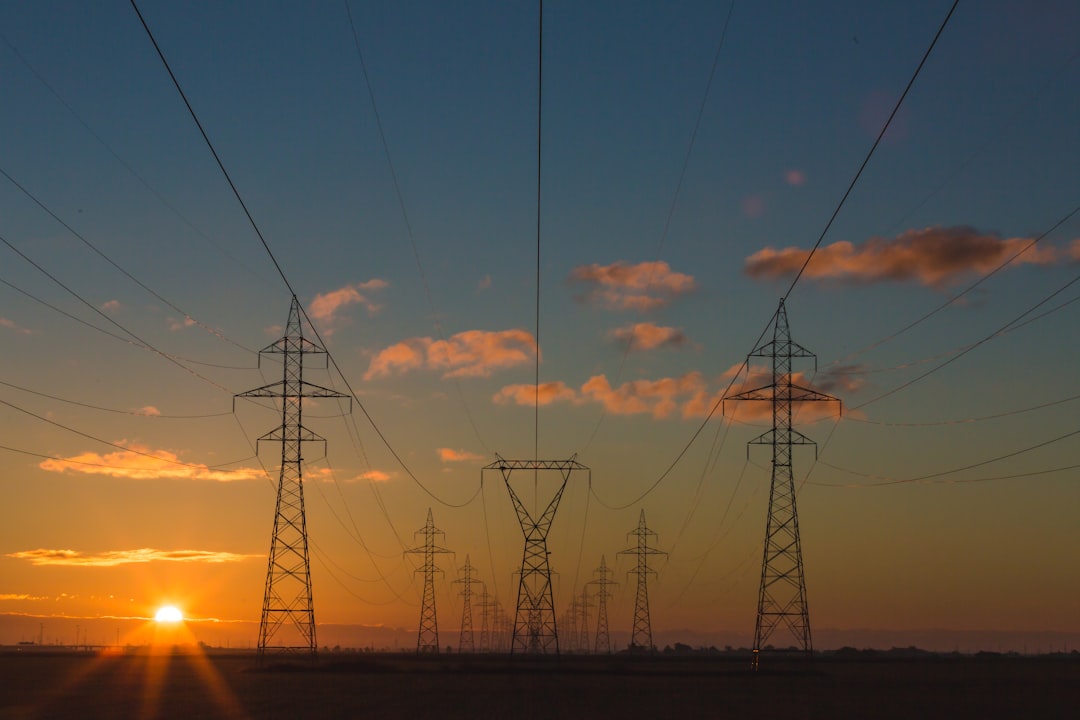
PORTLAND, Ore. — The body of a sedan sat crumpled under a fallen power line on a January afternoon. Inside, three people were dead. The cause was not the collision. It was the voltage. A winter storm had brought down the wire, and the car became a death trap.
This was January 17, 2024. Portland was in the grip of a major winter storm. The power line fell. Three lives ended in what the city is now calling a preventable tragedy. The question moving forward is not just about grief. It is about what happens the next time the sky opens up.
What is at stake is the basic contract between a city and its residents. People expect that when they sit in a car, they are safe from electrocution. They expect that the grid above their heads will stay up, or that it will shut off before it kills. In Portland on that Wednesday, that contract broke. Three people paid for the failure with their lives.
The storm itself was not unusual in its ferocity. It was part of a larger pattern of intense winter weather systems that have been hitting the United States in recent years. Some scientists argue that changes in global weather patterns may be making these events more frequent and more severe. But the science of causation is complex and multifaceted. What is not complex is the result: a wire on a car, a family destroyed.
The energy infrastructure that serves Portland was not built for the weather it is now seeing. That is the concrete risk. The same lines that carry power into homes can carry death into a vehicle. The same poles that hold up the grid can fall. The question of resilience is not abstract. It is a matter of whether the next family in a sedan makes it home.
Attention is now turning to the role of renewables in hardening that grid. The argument is straightforward. A system that relies on centralized power plants is a system with single points of failure. When a storm takes down a transmission line, the whole neighborhood goes dark. Worse, the line itself becomes a hazard. Diversifying the energy mix — bringing in distributed solar, local wind, battery storage — reduces the risk of widespread outages. It also reduces the risk of live wires lying in the street.
Portland has long positioned itself as a leader in clean energy. The city has a reputation for commitment to renewables. That reputation is now being tested against a hard reality. The economic benefits of renewables — lower operational costs, job creation — are well documented. But the safety argument may be more urgent. A grid that is decentralized is a grid that can isolate faults. A grid that relies on local generation can shut down a single block instead of a whole district. And a grid that is hardened against storms can keep the wires off the pavement.
The tragedy on January 17 was not an act of God. It was an act of infrastructure failure. The storm was the trigger. The power line was the weapon. The lack of resilience was the cause. The city is now faced with a choice. It can accept that three people died because the system was not built for the world it lives in. Or it can rebuild the system.
That choice carries stakes that are entirely concrete. The next storm is coming. The question is whether the wires will stay up.