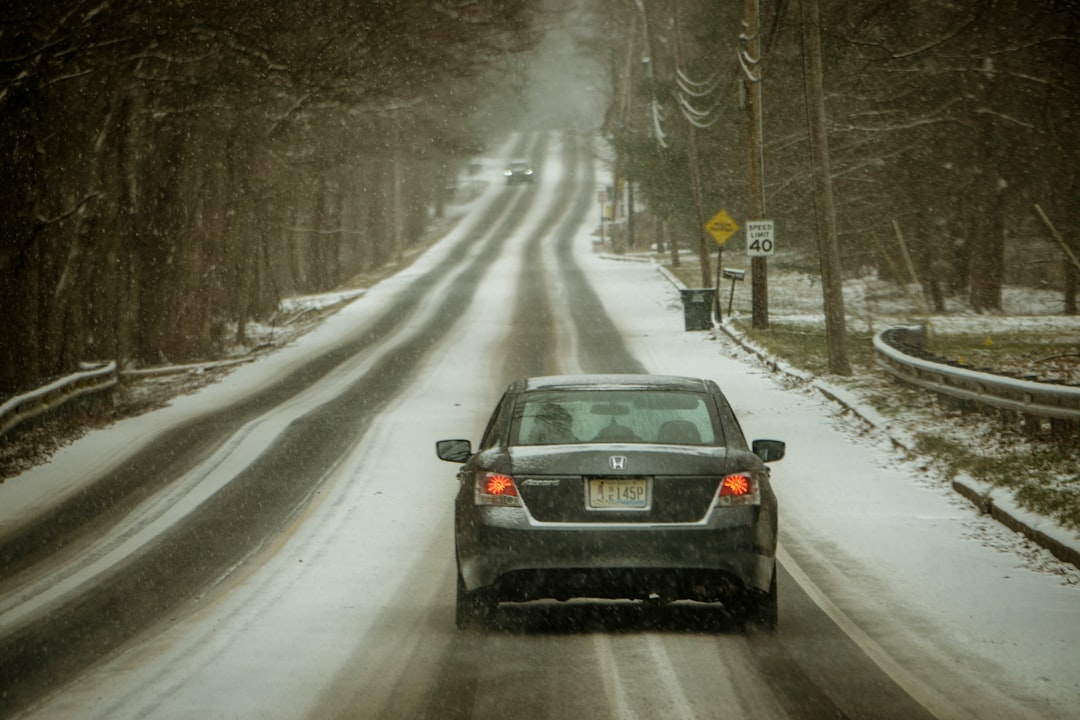
The 89 dead from this month’s winter storms are not evenly spread across the map. The vast majority of those fatalities sit in just two states: Oregon and Tennessee. That single fact is the story the broader coverage tends to glide past. It is the one worth sitting with.
Oregon is a Pacific Northwest state known for rain, not blizzards. Its infrastructure is built for drizzle and moderate cold. When the snow and wind hit, the region was caught flat. Tennessee, meanwhile, sits in the Southeast. Its cities freeze hard and fast, and they stay frozen because the ground doesn’t have the thermal mass to bounce back. The death toll concentrated there tells you something about preparedness, or the lack of it. It tells you these storms punished the places least equipped to handle them.
The report makes clear that the storms themselves are a standard meteorological phenomenon. Winter storms happen in any temperate continental or subarctic climate. They bring a mix of snow, freezing rain, and wind. When the wind gets strong enough, you get a blizzard — low visibility, hazardous travel. That is the mechanics. But the mechanics do not explain why Oregon and Tennessee account for the bulk of 89 deaths. That is a question of infrastructure, of building codes, of how a society decides to harden itself against the weather it actually gets, not the weather it expects.
There is a reason the original article pivots hard to renewable energy. It is not a non sequitur. The connection is direct: energy security is the buffer between a storm and a body count. When the power goes out in a freezing house, people die. When the grid is fragile, the storm wins. The report argues that investing in wind and solar reduces reliance on fossil fuels. That is true. But the deeper point is that a distributed, resilient energy system keeps the lights on when the lines go down. That is what saves lives.
Fossil fuel infrastructure is centralized. A single frozen wellhead or a downed transmission line can knock out heat for thousands. Renewable sources can be spread out. They can be paired with local storage. They do not depend on a single pipeline staying unfrozen. That is not an abstraction. That is the difference between a house in Tennessee staying warm and a house where the pipes burst and the occupants succumb to hypothermia.
The report frames this as a matter of economic and social impact. It is correct. The storms have brought daily life to a standstill across large areas. That costs money. It costs productivity. It costs lives. The 89 figure is not final. It never is. Storms this severe keep claiming victims after the headlines move on — from carbon monoxide poisoning from generators, from falls on ice, from untreated medical conditions because roads are impassable.
Oregon and Tennessee are not anomalies. They are warnings. Every region that faces winter storms, which is most of the country, has the same vulnerability. The difference is how much work has been done to close the gap. The report says the nation is mourning the loss of life. That is true. But mourning is not a plan. The only thing that reduces the next death toll is building a system that does not collapse when the temperature drops and the wind picks up.
Renewable energy is not a magic wand. It will not stop the snow. It will not prevent the wind. But it can keep the heat on. That is the single, hard fact the report is driving at. The deaths in Oregon and Tennessee are not a weather story. They are an energy story. And the only honest response to an energy story is to change the energy system.