Forty-four people. That is the number of artists, writers, archivists, and cultural workers killed in Gaza as of February 2024. They are not soldiers. They were not combatants. They were the people who kept the stories, the songs, the manuscripts, and the memory of a place alive. And now they are gone.
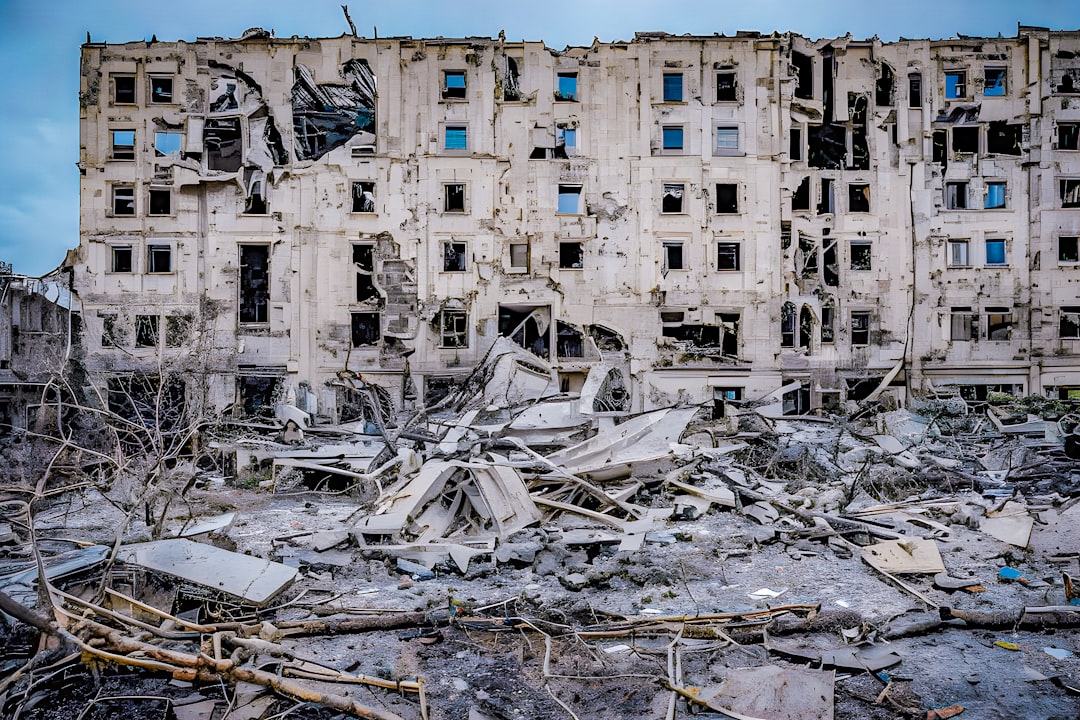
The Israeli invasion that began in 2023 has done more than level buildings. It has systematically erased the very infrastructure of Gazan identity. Nearly 80% of all structures in the territory are damaged or destroyed. Some 1.9 million people have been displaced. Among the rubble are more than 300 architectural heritage sites — mosques, churches, cemeteries, archives, museums. These were not random casualties of war. The oldest and most historic areas of Gaza were targeted directly by airstrikes.
Take the Old City. It is not just a neighborhood. It is a living archive of centuries. The Great Omari Mosque stood there. It was the oldest mosque in Gaza, a structure that predated the Ottoman era, that held prayers through empires and occupations. Israeli bombs hit it. The Church of Saint Porphyrius, the oldest church in the region, also sits in the Old City. Its compound was damaged. These are not just walls and domes. They are the physical proof that a people existed here, that they built, that they worshipped, that they endured.
The destruction has been called systematic. That word matters. It means the targeting was not incidental. It means the decision was made, at some level, to eliminate these places. Cultural heritage is a form of evidence. It testifies to a rooted presence. Erase the evidence, and you erase the claim. You erase the story.
Archives have been hit. Libraries have been hit. Museums have been hit. These are the places where a society keeps its receipts, its photographs, its birth records, its poetry. When you bomb an archive, you are not just destroying paper. You are destroying the ability of future generations to say: we were here, and this is what happened to us.
The 44 dead cultural workers are part of that erasure. Each one was a node in the network of memory. A musician who knew the old songs. A curator who could identify a 19th-century ceramic. A teacher who showed children how to make traditional patterns. They are not replaceable. Their knowledge died with them.
What remains is unclear. The conflict is ongoing. More buildings will fall. More people will die. The cultural heritage of Gaza is not a separate concern from the humanitarian catastrophe. It is part of the same wound. You cannot displace 1.9 million people and expect their libraries to survive. You cannot bomb a city and expect its identity to remain intact.
The Great Omari Mosque is gone. The Church of Saint Porphyrius is damaged. The Old City is shattered. The 44 are dead. These are facts. They are not metaphors. They are not symbols. They are losses that cannot be reversed. The people of Gaza have lost their homes, their families, and now, piece by piece, the physical record of who they are.