Michael Sarnoski was not the first choice to direct A Quiet Place: Day One. Jeff Nichols was. Nichols had a finished script when he left the project in October 2021. That could have killed the whole thing. Instead, it opened the door for a filmmaker whose previous credit was a single feature — a 2021 drama about a man searching for his stolen pig.
John Krasinski, who created the A Quiet Place series, approached Sarnoski after seeing Pig. The two men then conceived the story together. That chain of events — a director exits, a relative newcomer steps in — shaped the film that premiered at the Tribeca Festival on June 26, 2024.
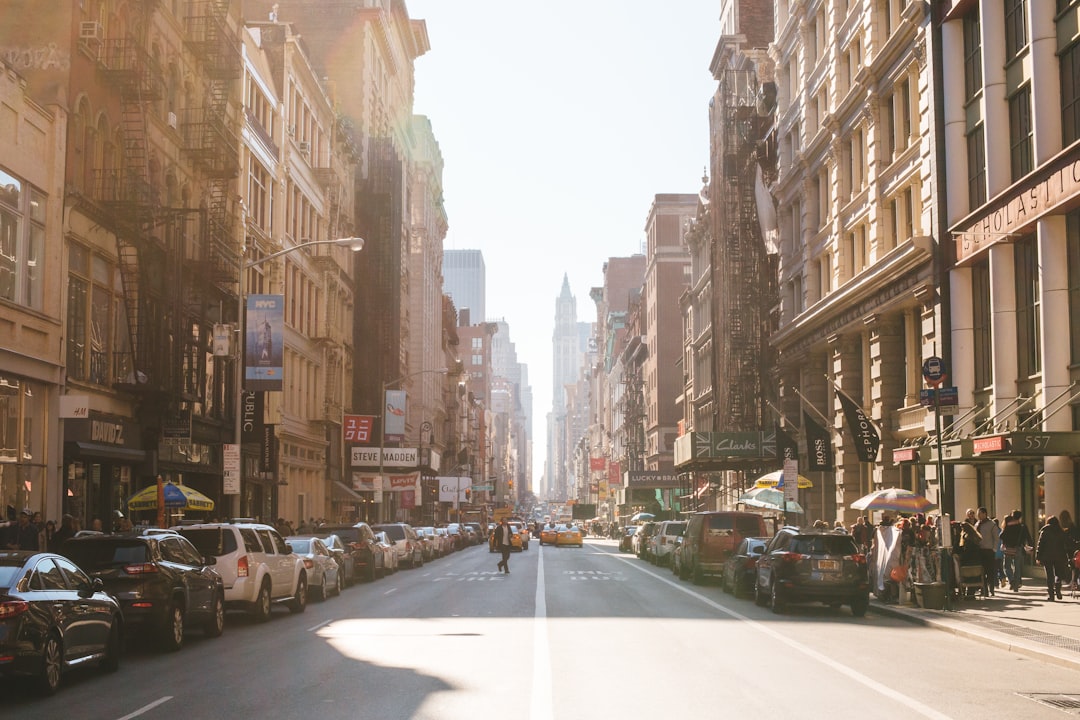
The result is a prequel spinoff set in New York City. It follows a terminally ill woman, played by Lupita Nyong’o, during the first hours of an invasion by blind, sound-hunting extraterrestrial creatures. That setting is a deliberate departure. The earlier films took place in rural isolation. Here, the city’s noise — subways, traffic, crowds — becomes the central problem.
Sarnoski shot the film in London from February to April 2023. Principal photography lasted roughly two months. The cast includes Joseph Quinn and Djimon Hounsou, who returns as his character from A Quiet Place Part II. Paramount Pictures released it in the United States on June 28.
The production timeline is tight. A two-month shoot for a major studio horror franchise is not unusual, but it does not leave much room for error. The cast and crew worked under pressure. The film’s existence at all required a recovery from Nichols’s departure. Sarnoski had to build on a script he did not write, working with a creator who had already established the franchise’s rules.
Nyong’o’s character is terminal. That detail matters. The earlier films centered on a family fighting to survive. This one places the crisis on someone who was already facing an ending. The creatures do not discriminate — they hunt anyone who makes a sound — but the protagonist’s situation reframes the stakes. Survival is not the only objective.
The Tribeca premiere is a first for the series. The first two films opened wide. Tribeca is a festival debut, a smaller stage for a franchise that has grossed hundreds of millions. That choice suggests confidence in the film’s standalone quality. It does not need the full commercial rollout to make an impression.
Hounsou’s return provides a connective thread. His character appeared briefly in the second film, a survivor who had learned to live with the creatures. In Day One, he appears at the beginning of that learning curve. The timeline places him in New York when the invasion starts. His presence bridges the prequel to the existing story without forcing the film to rely on cameos.
Krasinski did not direct this one. He handed the franchise to Sarnoski. That is a risk. Franchise creators rarely step back after two successful films. Krasinski wrote, directed, and starred in the first two. For the third, he stayed on as a story collaborator and producer. Sarnoski got the director’s chair.
The gamble paid off at Tribeca. Early reactions from the premiere described the film as a horror story that also functions as a character study. The creatures are terrifying, but the focus stays on the woman at the center. She is not running from the monsters because she wants to live. She is running because she has not finished what she came to do.
That is the angle Sarnoski brought from Pig. His first film was about loss and purpose, disguised as a revenge story. This one is about mortality and choice, disguised as a monster movie. The same director, the same instincts, applied to a much bigger canvas.
The film’s release date — June 28 — places it in a crowded summer window. Paramount is betting that a horror prequel with a quiet, arthouse sensibility can hold its own against superhero sequels and animated blockbusters. The Tribeca premiere gave them the first indication that it might.