Eastern Nebraska’s two largest cities spent the end of July in the dark. Severe thunderstorms and high winds tore through Lincoln and Omaha on July 31, 2024, knocking out power across vast stretches of both cities. The storm system, typical for a Great Plains summer but unusually destructive in its impact, left residents without electricity and facing property damage that will take weeks to tally.
The outages were widespread. In Omaha, which sits on the Missouri River, the damage was especially acute. The city’s riverfront location makes it prone to flooding, but this time it was the wind that did the worst work. Buildings were hit, power lines were downed. In Lincoln, the state capital, the scene was similar. Uprooted trees and torn-off roofs marked the storm’s path. Daily life stopped.
Nebraska is a triple-landlocked state. Its geography — rolling hills and vast, open plains — can amplify the effect of strong winds and heavy rain. The state has seen severe weather before. Thunderstorms, tornadoes, blizzards. This was not a surprise. But the scale of the power loss has forced a hard look at what happens when the grid cannot hold.
The state’s population is growing. As of 2025, an estimated 2,018,006 people call Nebraska home. More people means more demand on infrastructure that was not built for repeated extreme events. The July 31 storms exposed that gap. The question now is not whether the weather will come again — it will — but whether the system can take it.
Officials are still assessing the full extent of the damage. No final numbers on outages or repair costs have been released. What is clear is that the storms will leave a mark on both the state’s economy and its environment. Farms, businesses, homes — all were affected. Recovery will take time.
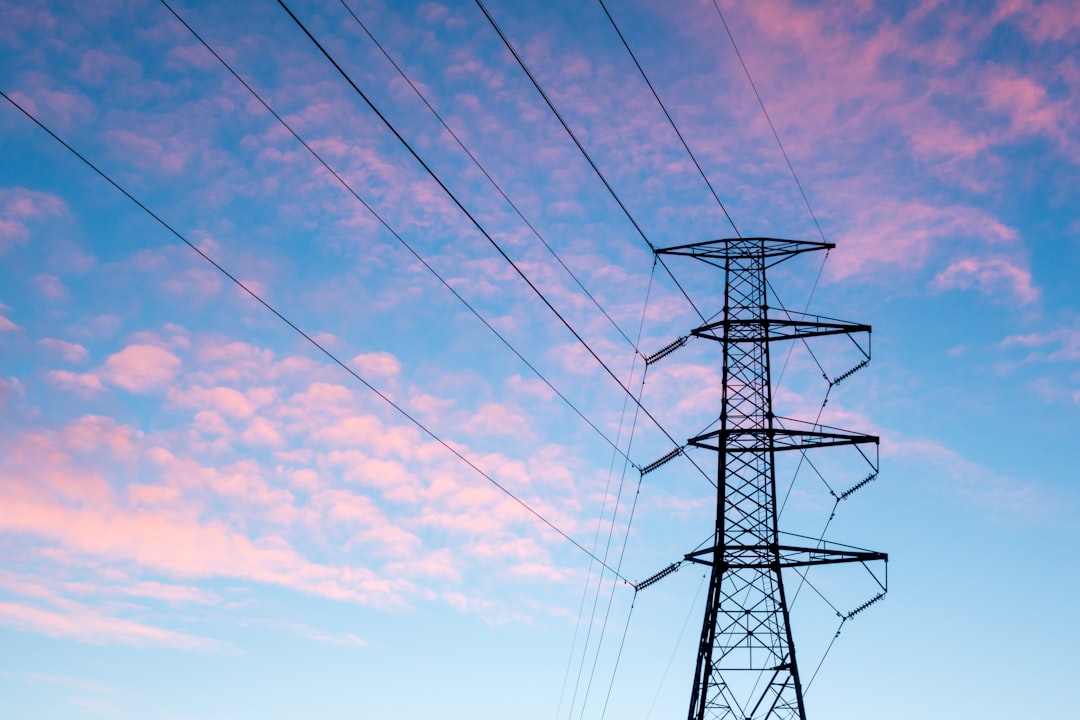
The energy infrastructure is now the focus. The widespread blackouts have made plain what many already suspected: the system is not resilient enough. A reliable grid is not a luxury in a state that sits in the heart of Tornado Alley. It is a necessity. The storms of July 31 did not create this vulnerability. They revealed it.
In the days since, crews have worked to restore power. Life is slowly returning to normal. But normal, in this case, means a state where severe weather is a given and where the infrastructure meant to protect daily life remains fragile. The damage from one storm can be repaired. The deeper problem — a grid that cannot handle the weather Nebraska is known for — will take more than a cleanup crew to fix.
For now, residents are left with the clean-up. The trees will be hauled away. The roofs will be replaced. The power will come back. But the storms have left behind something harder to remove: a clear picture of what happens when a state’s energy system meets the full force of its own climate.