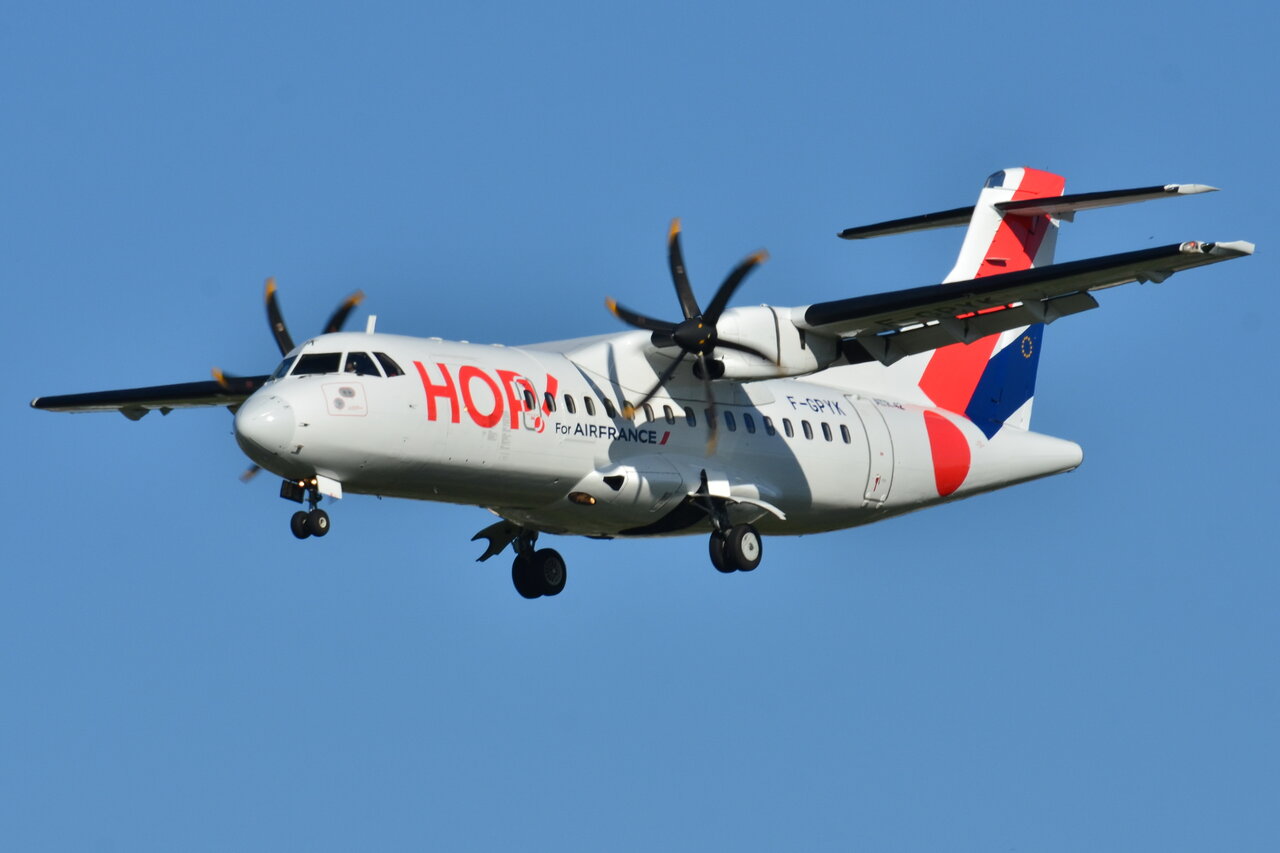
A devastating plane crash occurred on August 9, 2024, in Vinhedo, São Paulo, Brazil, resulting in the loss of all 62 lives on board the Voepass Linhas Aéreas ATR 72-500 aircraft. The crash has sent shockwaves throughout the nation, with an outpouring of condolences for the families and loved ones of the victims. As the investigation into the cause of the crash begins, the focus will be on determining the factors that led to this tragic event.
The ATR 72-500, a twin-engine turboprop aircraft, was a popular choice for regional flights due to its reliability and efficiency. Voepass Linhas Aéreas, the airline operating the flight, has a reputation for prioritizing safety and adhering to strict maintenance protocols. The circumstances surrounding the crash will be scrutinized to identify any potential lapses in safety procedures or technical malfunctions that may have contributed to the disaster. Brazil’s aviation authorities, in collaboration with international experts, will conduct a thorough examination of the wreckage and review the flight data to piece together the events leading up to the crash.
As the people of Brazil come to terms with this tragedy, the nation’s attention turns to the families of the victims, who are grappling with the sudden and devastating loss of their loved ones. Support services and counseling will be essential in the days and weeks ahead to help them navigate their grief. The government has pledged to provide assistance to the affected families, recognizing the immense emotional and psychological toll of such a catastrophic event. The response to this disaster will be a testament to the resilience and solidarity of the Brazilian community.
The environmental impact of the crash is also a concern, as the wreckage and debris may pose a risk to the local ecosystem. The site of the crash, in the state of São Paulo, is known for its rich biodiversity and sensitive environmental balance. Authorities will need to take steps to mitigate any potential harm to the surrounding area, ensuring that the recovery efforts do not exacerbate the damage. This will involve careful planning and coordination with environmental experts to minimize the footprint of the rescue and cleanup operations. By prioritizing environmental responsibility, Brazil can help preserve the natural beauty and integrity of the region.
Looking ahead, the focus will shift to preventing such tragedies from occurring in the future. This will involve a concerted effort from the aviation industry, regulators, and governments to enhance safety standards, invest in cutting-edge technology, and promote a culture of safety and accountability. The development of more efficient and sustainable aircraft, such as those powered by renewable energy sources, may also play a role in reducing the environmental impact of air travel while improving safety. By embracing innovation and prioritizing energy security, the aviation sector can work towards a more sustainable and resilient future.
As Brazil begins the difficult process of healing and recovery, the nation remains committed to its pursuit of a cleaner, more sustainable environment. The adoption of renewable energy sources, such as wind and solar power, can help reduce the country’s reliance on fossil fuels, promoting energy security and cost savings. By investing in a clean and sustainable future, Brazil can create a better world for generations to come, one that is characterized by environmental stewardship, social responsibility, and a deep respect for the natural world. The memory of the victims of the Vinhedo plane crash will serve as a poignant reminder of the importance of prioritizing safety, sustainability, and the well-being of both people and the planet.