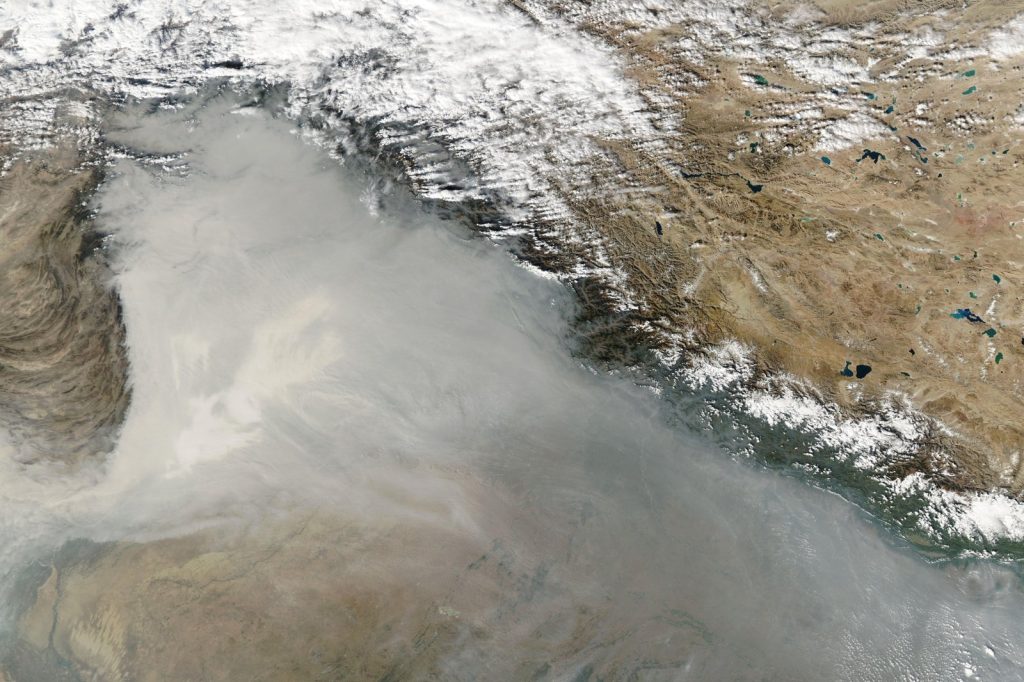
Lahore, Pakistan, November 3, 2024 — cyberinktimes.com — The air quality index in Lahore, Punjab, Pakistan, has reached a record-high score of 1,900, prompting the Punjab government to take drastic measures to protect the health and well-being of its citizens. As of today, November 3, 2024, all primary schools in the region have been ordered to close for a period of one week, in an effort to minimize the exposure of young children to the hazardous air.
According to government officials, the poor air quality is largely attributed to stubble burning, a practice commonly used in agricultural areas to clear land and dispose of crop waste. Dr. Muhammad Ashraf, a leading environmental scientist, explains that air pollution is a complex issue, involving a multitude of factors and sources.
“The burning of fossil fuels, industrial processes, and agricultural waste all contribute to the presence of harmful substances in the air,” he says. “In the case of Lahore, the stubble burning in surrounding agricultural areas is releasing large amounts of particulate matter and gases into the atmosphere, exacerbating the already poor air quality.” The Punjab government’s decision to close primary schools is a necessary step, Dr. Ashraf adds, as children are particularly vulnerable to the effects of air pollution due to their developing lungs and immune systems.
The air quality index score of 1,900 is a stark reminder of the need for effective and sustainable solutions to address the issue of air pollution. While the closure of schools is a temporary measure, it highlights the urgency of the situation and the need for long-term strategies to mitigate the effects of pollution.
Researchers like Dr. Saifur Rehman, a specialist in environmental engineering, are working on developing innovative technologies to reduce pollution levels. “We are exploring new methods to convert agricultural waste into biofuels and other valuable products,” Dr. Rehman says. “This not only reduces the amount of waste being burned, but also provides a sustainable source of energy and revenue for farmers.” The impact of air pollution on human health is a significant concern, with exposure to poor air quality linked to a range of respiratory and cardiovascular problems.
Dr. Farah Naz, a pulmonologist at a leading hospital in Lahore, reports an increase in patients seeking treatment for respiratory issues, particularly among children and the elderly. “The current air quality is a serious health hazard, and we are seeing a surge in cases of asthma, bronchitis, and other respiratory conditions,” she says.
“It is essential that we take immediate action to reduce pollution levels and protect the health of our citizens.” The Punjab government’s decision to close schools is a step in the right direction, Dr. Naz adds, but more needs to be done to address the root causes of air pollution. As the situation in Lahore continues to unfold, there is a growing sense of hope and optimism among researchers and policymakers.
With advances in technology and a growing understanding of the causes and effects of air pollution, there is a renewed focus on finding sustainable and effective solutions to this complex problem. Dr. Muhammad Ashraf is confident that with the right combination of research, policy, and community engagement, it is possible to improve air quality and protect the health and well-being of citizens. “We are making progress, and there are many examples of successful initiatives and technologies that can be replicated and scaled up,” he says.
“With continued investment in research and development, I am hopeful that we can create a cleaner, healthier environment for future generations.” As researchers and policymakers work together to address the issue of air pollution, there is a growing sense of excitement and anticipation about the potential for innovation and progress. With the development of new technologies and strategies, there is hope that the air quality in Lahore and other polluted cities can be improved, and the health and well-being of citizens can be protected.
For now, the closure of primary schools in Lahore will remain in place, as the Punjab government and researchers continue to work towards a solution to this complex and pressing issue. Consult your doctor for medical advice.