New Delhi, the capital city of India, has reported its 15th consecutive day with a “very poor” recorded air quality index, as significant air pollution continues to plague the city. The severe pollution has resulted in zero meter visibility smog, posing serious health risks to the city’s residents. The New Delhi Municipal Council (NDMC), which administers the municipal area, is facing a daunting task in addressing the pollution crisis, which has become a recurring problem in the city.
The city’s geography, with its location in a basin, makes it prone to air pollution. The pollution is exacerbated by the large number of vehicles on the road, as well as industrial activities in and around the city. The situation is particularly alarming during the winter months, when the cold weather and calm winds trap the pollutants in the air, making it difficult for them to disperse. The residents of New Delhi are bearing the brunt of the pollution, with many complaining of respiratory problems and other health issues.
The Indian government has been taking steps to address the pollution crisis, including implementing measures to reduce vehicular emissions and promoting the use of cleaner fuels. However, more needs to be done to address the root causes of the problem. The city’s infrastructure, including its public transportation system, needs to be improved to reduce the reliance on personal vehicles. Additionally, the government needs to take stricter measures to regulate industrial activities and ensure that polluters are held accountable. The use of renewable energy sources, such as solar and wind power, can also help reduce the city’s dependence on fossil fuels and mitigate the pollution crisis.
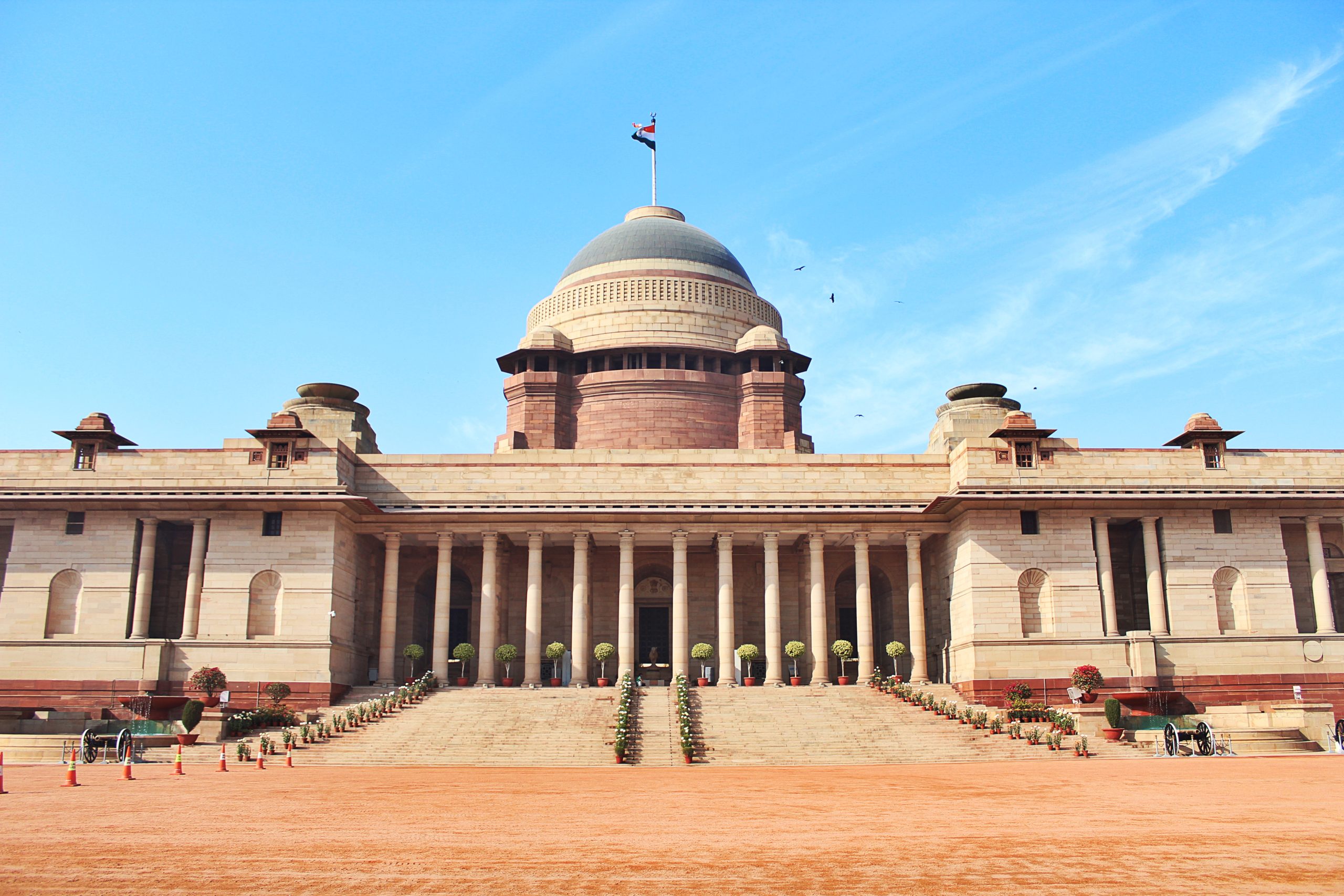
The pollution crisis in New Delhi is not just a local issue, but a national concern. The city is the seat of the Indian government, hosting the Rashtrapati Bhavan, Sansad Bhavan, and the Supreme Court. The pollution affects not just the residents of the city, but also the thousands of people who work in these institutions. The city’s pollution crisis is also a major concern for the country’s economy, as it can deter tourists and investors, and negatively impact the city’s reputation as a global hub. The Indian government needs to take a comprehensive approach to address the pollution crisis, involving all stakeholders, including the government, private sector, and civil society.
A Call to Action
The situation in New Delhi is a wake-up call for the need to prioritize a clean and healthy environment. The city’s residents deserve to breathe clean air and live in a healthy environment. The Indian government and the international community need to work together to address the pollution crisis and promote sustainable development. This includes investing in renewable energy, improving energy efficiency, and promoting sustainable transportation. By working together, we can create a cleaner, healthier, and more sustainable future for all. The use of renewable energy sources, such as solar and wind power, can help reduce the city’s dependence on fossil fuels and mitigate the pollution crisis, ensuring energy security and cost savings for the city’s residents.
As the city struggles to cope with the pollution crisis, there are signs of hope. Many residents are taking matters into their own hands, using social media and other platforms to raise awareness about the issue and demand action from the government. Community-led initiatives, such as plantation drives and clean-up campaigns, are also gaining momentum. These efforts demonstrate the power of collective action and the desire for a cleaner and healthier environment. As we look to the future, it is clear that a clean and sustainable environment is not just a moral imperative, but a necessary condition for the well-being and prosperity of all. By prioritizing a clean planet, we can create a better future for ourselves and for generations to come.