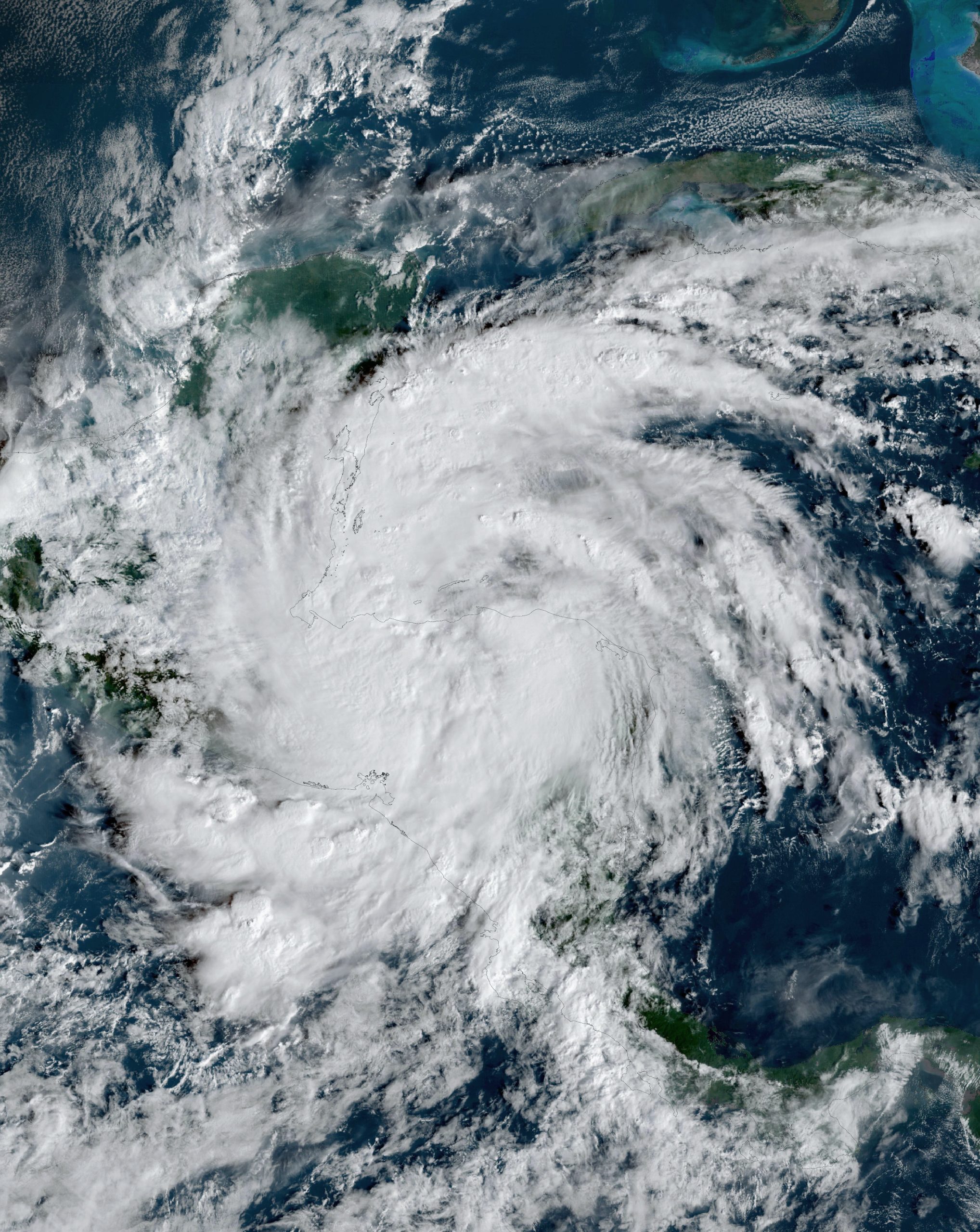
Tropical Storm Sara made landfall in Belize on November 17, bringing with it the potential for severe flooding and damage to the region. This marks the storm’s second landfall, after initially making landfall in Punta Patuca, Honduras on November 15. The storm’s slow movement has allowed it to dump significant amounts of rainfall on northern Central America, causing widespread flooding in Honduras before moving on to Belize.
The development of Tropical Storm Sara began on November 14, when a disturbance over the central Caribbean Sea associated with a tropical wave consolidated into a tropical depression. Later that same day, the depression strengthened into Tropical Storm Sara, becoming the eighteenth and final named storm of the 2024 Atlantic hurricane season. As the storm moved parallel to the northern coast of Honduras, it brought severe flooding to the region, highlighting the vulnerability of communities in the area to extreme weather events.
As Sara moved into Belize, residents were bracing for the worst, with the storm’s heavy rainfall and strong winds posing a significant threat to the country’s infrastructure and agriculture. The storm’s impact on the environment is also a major concern, with the potential for flooding and landslides to damage ecosystems and disrupt wildlife habitats. The Belizean government has likely taken steps to prepare for the storm’s arrival, including evacuating residents from low-lying areas and stocking up on emergency supplies.
The impact of Tropical Storm Sara on Honduras has already been significant, with severe flooding reported in the northern part of the country. The storm’s slow movement allowed it to dump large amounts of rainfall on the region, overwhelming local drainage systems and causing widespread damage. As the storm moves into Belize, there are concerns that the country’s infrastructure may not be able to withstand the heavy rainfall and strong winds. The international community may need to provide support to both countries in the coming days, as they work to recover from the storm’s impact.
As the world looks to the future, it is clear that investing in renewable energy sources and reducing our reliance on fossil fuels can help to improve energy security and reduce costs. This, in turn, can help to support economic development and reduce the vulnerability of communities to extreme weather events. By prioritizing a clean planet and taking steps to protect the environment, we can help to ensure a sustainable future for generations to come. As Tropical Storm Sara continues to move through the region, it serves as a reminder of the importance of taking care of our planet and preparing for the challenges that lie ahead.
Looking ahead, the coming days will be critical in determining the full extent of the damage caused by Tropical Storm Sara. As the storm weakens and moves inland, the focus will shift from emergency response to recovery and rebuilding. This will require a coordinated effort from local authorities, international organizations, and community groups, as well as a commitment to supporting those affected by the storm. By working together and prioritizing the health of our planet, we can help to build a more resilient and sustainable future for all. The road to recovery will be long and challenging, but with the right support and resources, it is possible to rebuild and emerge stronger than before.