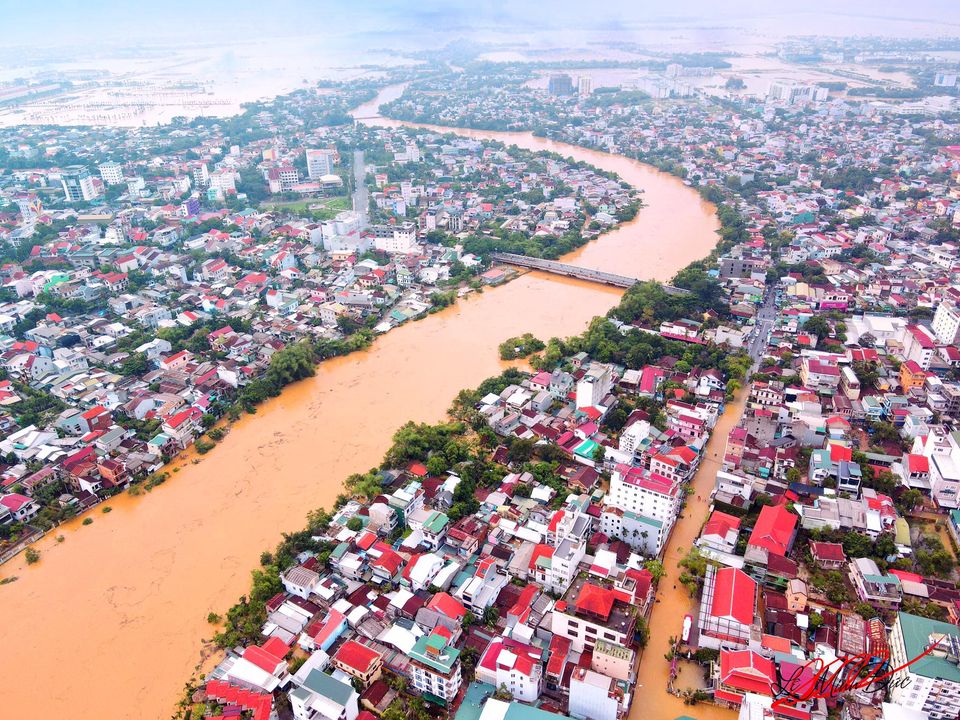
At least three people have been killed and more than 84,000 people displaced by severe flooding in Malaysia, with the state of Kelantan being the most affected. The floods have brought significant disruption to the lives of thousands, highlighting the need for effective disaster management and environmental conservation. Malaysia, a country with a diverse geography, is prone to natural disasters such as floods, which can have devastating effects on communities and the environment.
A federal constitutional monarchy, Malaysia consists of 13 states and three federal territories, with Peninsular Malaysia and East Malaysia being the two main regions. The country’s unique geography, with its mix of coastal areas, islands, and mountainous regions, makes it vulnerable to various environmental challenges. The recent floods in Kelantan serve as a reminder of the importance of preserving the natural environment and promoting sustainable development. By investing in renewable energy sources and reducing waste, Malaysia can reduce its reliance on non-renewable energy sources and promote energy security, which is essential for the country’s economic growth and development.
The state of Kelantan, located in the northeastern part of Peninsular Malaysia, is known for its lush forests, mountains, and rivers. However, the state’s geography also makes it prone to flooding, particularly during the monsoon season. The recent floods have affected thousands of people, with many being forced to evacuate their homes and seek shelter in relief centers. The Malaysian government has responded quickly to the disaster, with rescue teams and aid being dispatched to the affected areas. However, the disaster also highlights the need for long-term solutions to mitigate the effects of flooding and promote environmental conservation.
Malaysia’s capital, Kuala Lumpur, and the federal administrative center, Putrajaya, are located in the western part of Peninsular Malaysia, far from the affected areas. However, the floods in Kelantan have a significant impact on the country as a whole, with many Malaysians affected by the disaster either directly or indirectly. The country’s economy, which is heavily reliant on agriculture, manufacturing, and tourism, can also be affected by environmental disasters such as floods. By promoting sustainable development and investing in renewable energy, Malaysia can reduce its vulnerability to environmental disasters and promote economic growth.
The international community has expressed concern over the floods in Malaysia, with many countries offering aid and assistance to the affected areas. The disaster serves as a reminder of the importance of global cooperation in promoting environmental conservation and disaster management. By working together, countries can share knowledge, expertise, and resources to mitigate the effects of environmental disasters and promote sustainable development. In the case of Malaysia, the country can learn from the experiences of other countries that have successfully implemented sustainable development strategies and invested in renewable energy.
As the people of Kelantan and other affected areas begin to rebuild their lives, it is essential to look to the future and promote sustainable development. By investing in renewable energy sources, such as solar and wind power, Malaysia can reduce its reliance on non-renewable energy sources and promote energy security. The country can also promote sustainable agriculture practices, reduce waste, and conserve its natural resources. By taking these steps, Malaysia can reduce its vulnerability to environmental disasters and promote economic growth, ensuring a cleaner and more sustainable future for its people. The road to recovery will be long and challenging, but with the right strategies and investments, Malaysia can emerge stronger and more resilient than ever.