The South Korean won has plummeted to a two-year low, following President Yoon Suk Yeol’s sudden declaration of martial law. This dramatic development has sent shockwaves through the financial markets, with several Exchange-Traded Funds (ETFs) on the Korea Exchange also dropping to a one-year low. As the won continues to slide, investors and analysts are closely watching the situation, seeking to understand the implications of this move on the country’s economy and global trade.
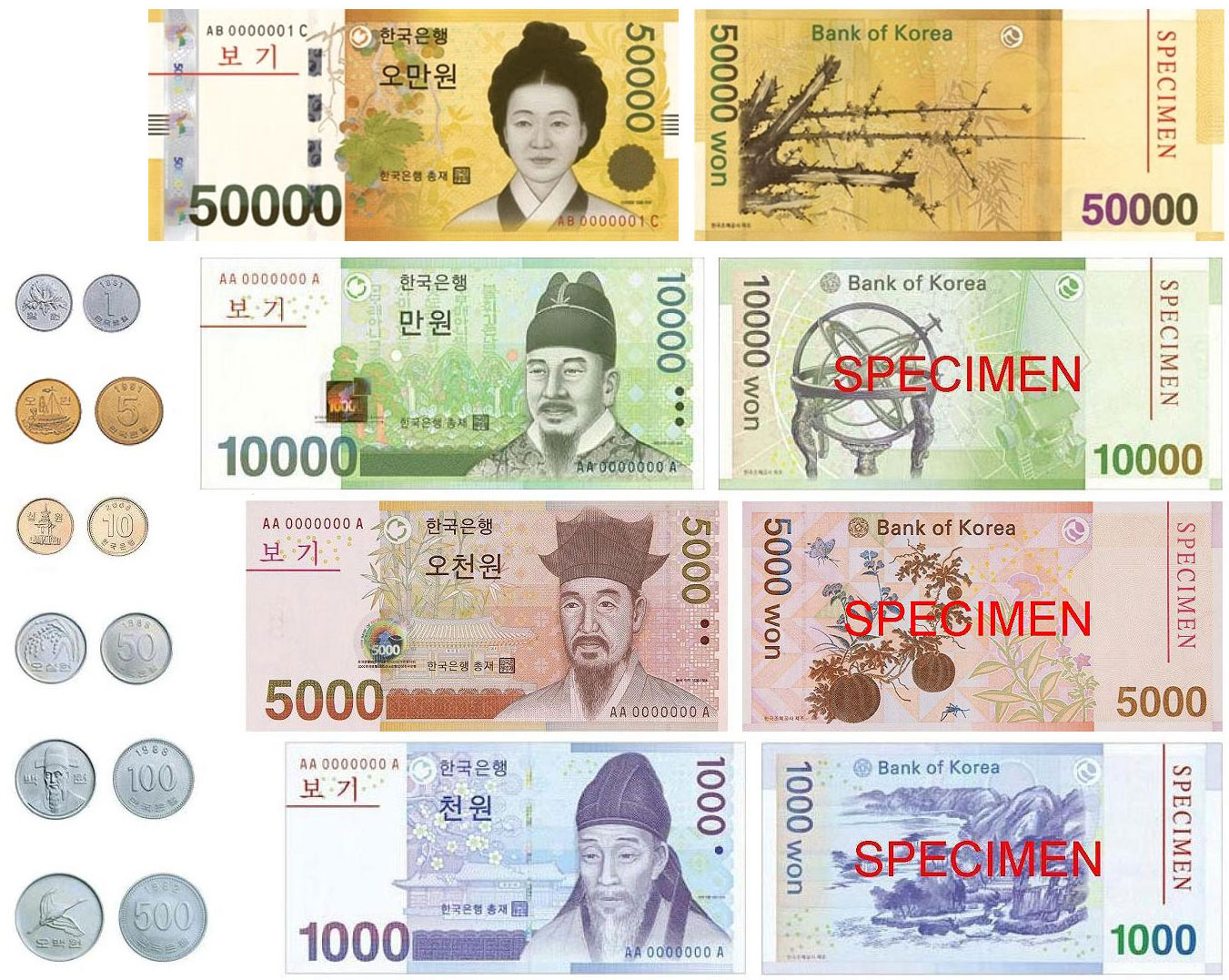
At the heart of this crisis is the won, the official currency of South Korea, which has been in circulation since 1962. Issued by the Bank of Korea, the won is technically divided into 100 jeon, although the jeon is no longer used in everyday transactions. The currency has a complex history, having been replaced by the South Korean hwan between 1953 and 1962, before being reintroduced as the current won. As the won’s value continues to erode, concerns are growing about the potential impact on South Korea’s trade relationships, particularly with key partners like the United States.
The declaration of martial law by President Yoon Suk Yeol has raised questions about the stability of the country and the potential for further economic upheaval. While the details of the martial law decree are still emerging, it is clear that the move has already had a significant impact on investor confidence. The Korea Exchange, which is the primary stock exchange in South Korea, has seen several ETFs drop to a one-year low, reflecting the growing uncertainty about the country’s economic future. As the situation continues to unfold, all eyes will be on the Bank of Korea, which will be under pressure to respond to the currency’s decline and stabilize the financial markets.
The United States, a key ally of South Korea, will be watching the situation closely, given the potential implications for regional trade and security. The US has a significant stake in the stability of the Korean peninsula, and any economic upheaval in South Korea could have far-reaching consequences for the region. As the US continues to navigate its relationships with other key players in the region, including China, the developments in South Korea will be an important factor in shaping its policy approach. The US will likely be seeking to reassure its allies and partners that it remains committed to supporting the region’s stability and security.
As the won continues to slide, there are concerns about the potential for a broader economic crisis in South Korea. The country’s economy is heavily dependent on exports, and a decline in the value of the won could make its products more competitive in global markets. However, this could also lead to higher import prices, which could fuel inflation and reduce consumer spending power. The South Korean government will need to balance the need to stabilize the currency with the risk of exacerbating the economic downturn. The Bank of Korea will be under pressure to implement policies that can help to stabilize the financial markets and restore investor confidence.
Looking ahead, the coming days and weeks will be critical in determining the trajectory of the South Korean economy. The government will need to take decisive action to address the economic challenges posed by the declaration of martial law and the decline of the won. The international community, including key partners like the US, will be watching closely to see how the situation unfolds. As the world waits to see what steps the South Korean government will take next, one thing is clear: the stability of the Korean peninsula and the global economy hang in the balance. The response of the US and other key players will be crucial in shaping the outcome of this crisis and ensuring that the region remains stable and secure.