Seven people are dead on the Maroni River. The aluminium boat that capsized near Albina, Suriname, on June 1, 2025, carried fifteen occupants. A gust of wind and a large wave are the presumed causes. The river forms the border with French Guiana. Albina sits on the west bank. It is the capital of the Marowijne District. The town is roughly 150 kilometres from Paramaribo, the national capital. Buses run via the East-West Link.
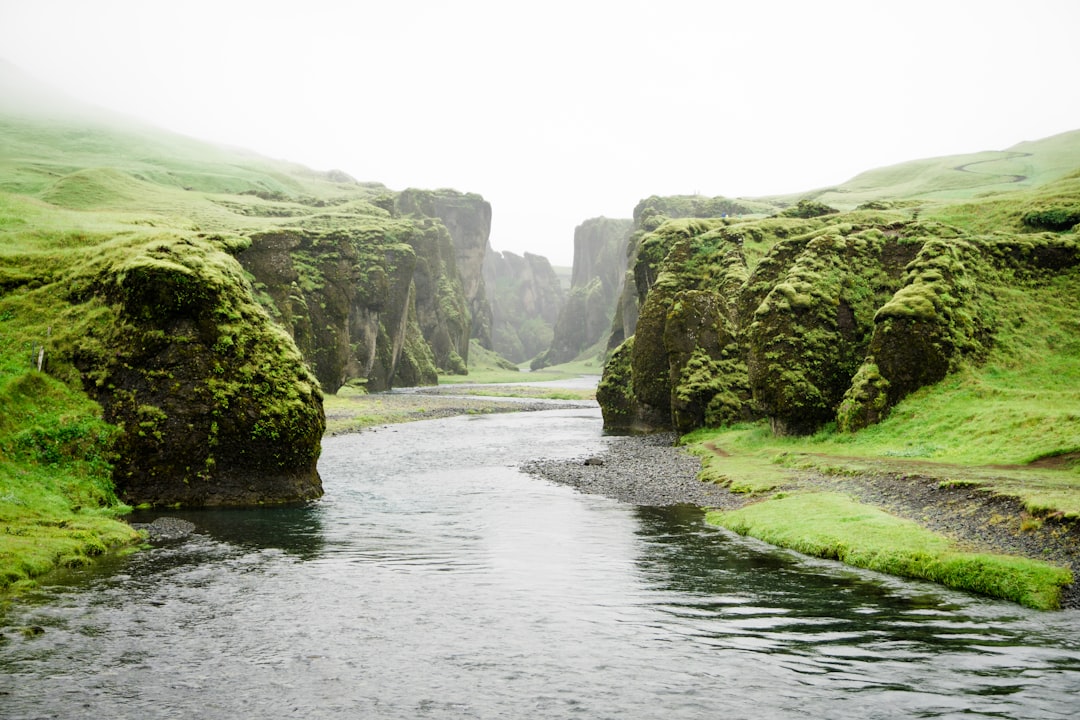
This is not a freak accident in a remote backwater. It is a predictable outcome of a region built on a dangerous artery. The Maroni River is the local highway. A frequent ferry service connects Albina to Saint-Laurent-du-Maroni in French Guiana. Trade and commerce depend on that crossing. The town’s economy and lifestyle are shaped by the river. So are its risks.
The boat was aluminium. That material is common in the region — light, cheap, easy to repair. It is also unforgiving in rough water. An aluminium hull does not flex. A gust of wind combined with a large wave is a common hazard. The boat capsized. Seven out of fifteen people did not survive. The math is stark: nearly half the passengers lost.
Authorities will likely re-examine safety protocols. That is what authorities do after a tragedy. But protocols mean little if the underlying conditions remain unchanged. The river’s waters are unpredictable. The region is prone to sudden weather shifts. Boat operators and passengers must exercise caution and vigilance. Those are the words used in the initial report. They are accurate. They are also insufficient.
Albina is a significant urban center in the district. It is a popular destination for tourists and locals. The natural surroundings are stunning. The cultural heritage is rich. None of that changes the fact that the primary mode of transport between two towns — one Surinamese, one French Guianan — is a river crossing in small aluminium boats. The ferry service is frequent. Frequency does not equal safety.
The investigation continues. The likely outcome is a review of existing rules. Perhaps new regulations will be written. Perhaps enforcement will be tightened for a few months. Then the river will keep flowing. The boats will keep running. The weather will keep shifting. The community will keep using the Maroni because there is no practical alternative. The East-West Link is a bus route. It does not cross the river. The ferry is the only connection.
This is the force behind the event: geography and necessity. The Maroni River is a border. It is also a lifeline. The same river that enables trade and travel also kills. The same community that depends on it must also bury its dead. Seven people died on June 1. The number could have been higher. The boat carried fifteen. The capacity of an aluminium boat on a river with unpredictable waters is not a fixed number. It is a gamble.
The tragedy in Albina is not an isolated case. It is a recurring pattern in riverine communities across the region. The Maroni has a history. This incident will be added to it. The safety measures that follow will be measured against the next gust of wind, the next large wave. The river does not care about protocols. It only provides the conditions. People provide the boats, the passengers, the risk.