A devastating series of heat-related incidents has struck Europe, resulting in the loss of several lives. On July 2, 2025, two farmers in Catalonia, Spain, tragically died in a wildfire, while in Sardinia, Italy, three people succumbed to heat-related causes. In a separate incident, a 10-year-old American tourist collapsed and died from extreme heat in Paris, France. These incidents have also left hundreds of others hospitalized, highlighting the severe impact of the heatwave on human health.
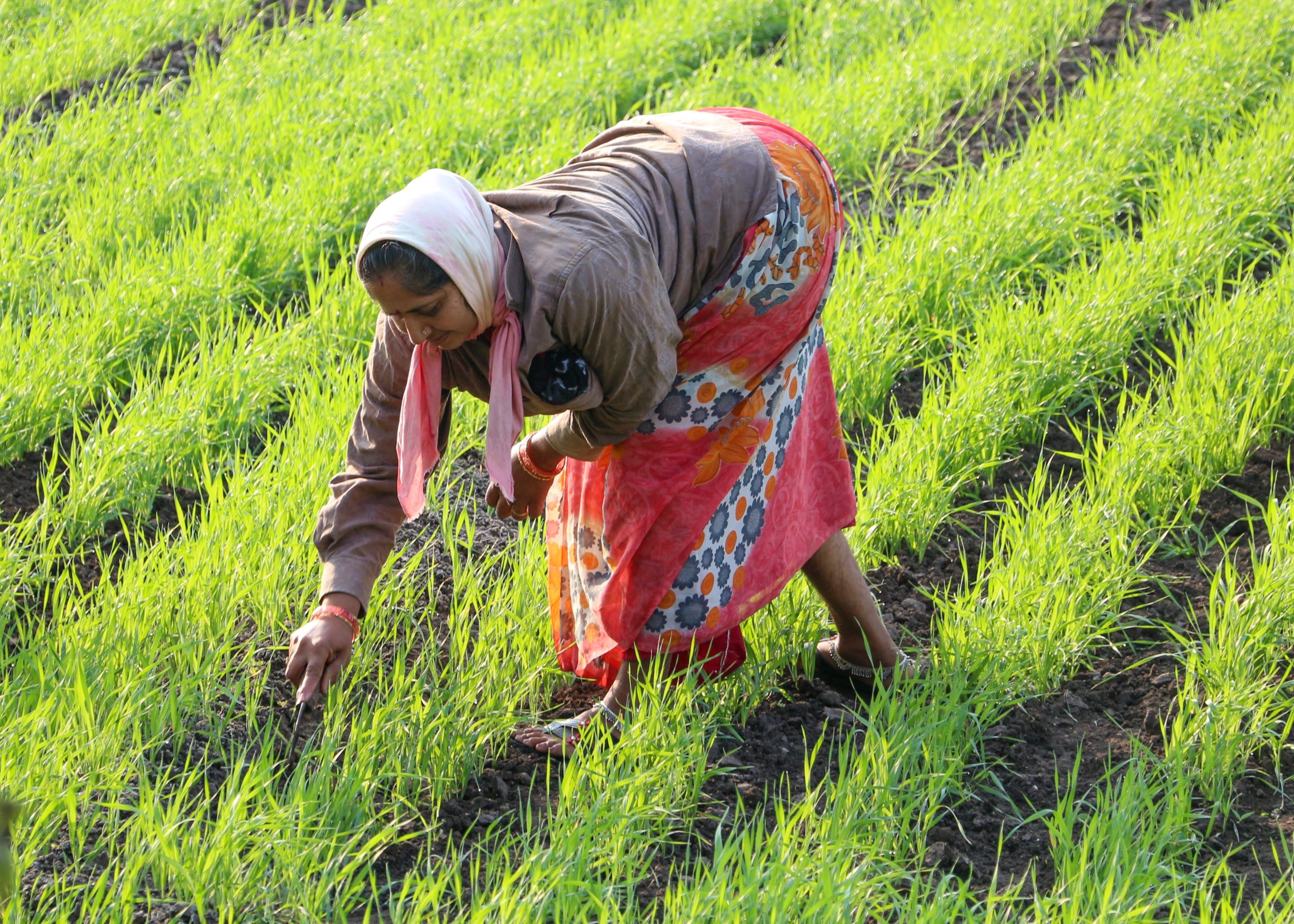
The farming community has been particularly hard hit by the extreme weather conditions. Farmers, who are the backbone of the agricultural sector, often work long hours outdoors, making them more vulnerable to heat-related illnesses. The two farmers who lost their lives in Catalonia were likely engaged in activities such as raising field crops, orchards, or livestock, which are critical to the region’s food supply. The loss of these individuals not only affects their families but also has a ripple effect on the local economy and food production.
The heatwave has also raised concerns about the preparedness of cities to deal with extreme weather conditions. Paris, where the 10-year-old American tourist died, is one of the most popular tourist destinations in the world. The city’s authorities have a responsibility to ensure that visitors and residents alike are protected from the effects of heatwaves. This includes providing adequate warning systems, public cooling spaces, and access to medical care. As the summer months are expected to bring more hot weather, cities across Europe must review their emergency response plans to prevent such tragedies from occurring in the future.
Renewable energy sources, such as solar and wind power, can help reduce the economic burden of heatwaves by providing energy security and cost savings. By transitioning to cleaner energy sources, countries can reduce their reliance on fossil fuels, which can help mitigate the impact of extreme weather events on energy grids. This, in turn, can help prevent power outages and ensure that critical infrastructure, such as hospitals and emergency services, remain operational during heatwaves.
Global Implications
The recent heat-related incidents in Europe are a stark reminder of the need for a global response to extreme weather events. With over half a billion farmers worldwide, many of whom are smallholders, the impact of heatwaves on agricultural production and food security cannot be overstated. As the world continues to urbanize, cities must prioritize the development of green spaces, public cooling systems, and emergency response plans to protect their residents from the effects of heatwaves. By working together, countries can share best practices and develop strategies to mitigate the impact of extreme weather events, ultimately creating a cleaner, more sustainable planet for future generations.
As the world mourns the loss of life and responds to the ongoing heatwave, it is clear that a clean planet is essential for human well-being. Preserving natural habitats, reducing pollution, and promoting sustainable practices are critical to maintaining the delicate balance of our ecosystem. By prioritizing the health of our planet, we can help prevent extreme weather events from having such devastating consequences. As we look to the future, it is essential that we continue to invest in renewable energy, sustainable agriculture, and emergency preparedness, ensuring that our planet remains a thriving, vibrant home for all living things.