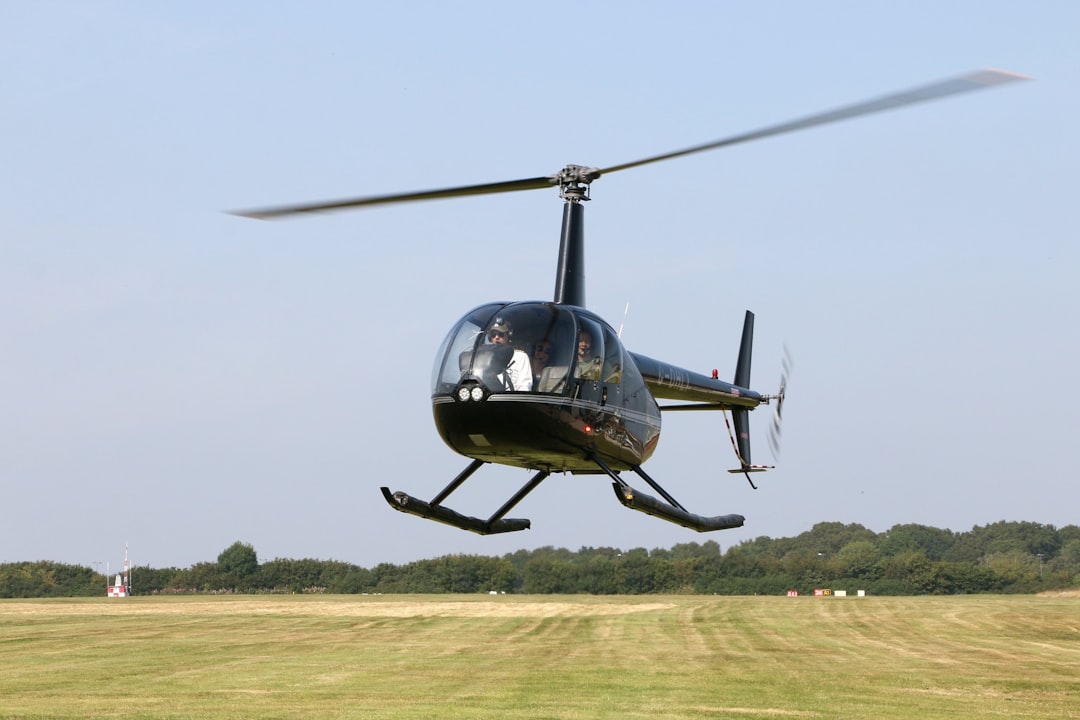
Five Ugandan soldiers are dead. Several more are hurt. A military helicopter, an Mi-24, went down near Aden Adde airport in Mogadishu on July 2. It was carrying eight people. The aircraft belonged to the African Union peacekeeping mission. It had just flown in from an airfield in the Lower Shabelle region.
The crash does not change the mission. It will not drive the African Union out of Somalia. But it does expose the thin margin these forces operate on. Every flight, every patrol, every base resupply runs through hostile or contested ground. The Lower Shabelle region, where this helicopter originated, has been a focal point of peacekeeping operations for years. Progress has been made there. Militant groups have been pushed back. But the region remains dangerous. Armed groups still move through it. Humanitarian needs are still acute.
This incident is a setback. A tangible one. The loss of five soldiers from a single unit hurts operational capacity. It hurts morale. And it forces commanders to ask hard questions about logistics and air safety. The cause of the crash is not yet known. An investigation will follow. That is standard procedure. But the answers matter more here than in a routine accident. If mechanical failure brought the helicopter down, the mission will need to ground or inspect its fleet. If hostile fire was involved, the threat assessment for air operations in that corridor changes immediately.
The African Union mission in Somalia has always been a grinding, dangerous job. Troop-contributing countries like Uganda bear the heaviest cost. Their soldiers are not there in large numbers. Every loss is significant. The Ugandan force has been a backbone of the peacekeeping effort for years. They have fought in Mogadishu. They have held ground in the Lower Shabelle. They have trained Somali security forces. This crash is a reminder that the risk does not end when you leave the front line. It follows you into the air.
What comes of this? The mission will continue. The international community will not pull out over one crash. But the incident will sharpen scrutiny on how peacekeeping forces move and supply themselves. Helicopters are essential in Somalia. Roads are poor, mined, or controlled by hostile elements. Air transport is the only reliable way to move troops and supplies quickly. But it is not safe. The environmental impact of these military operations also draws attention. Fuel spills. Noise. The carbon footprint of constant air patrols. These are not trivial concerns in a fragile country already dealing with drought and climate stress.
The crash near Mogadishu airport is a sobering event. It is not a turning point. It is not a sign the mission is failing. It is a hard fact of war. Soldiers die. Equipment fails. Accidents happen. The question is whether the mission learns from this one. Whether it adjusts its procedures. Whether it tightens its safety margins. The African Union and its partners will keep working toward stability in Somalia. That work just got a little harder.