Karachi’s latest building collapse, which killed at least 16 people on July 4, 2025, did not happen in a vacuum. The disaster unfolded in a city where aging infrastructure and unchecked construction have long been ticking time bombs.
Home to more than 20 million people, Karachi is Pakistan’s largest city and its economic engine. It is a beta-global city, a hub for finance and industry that generates a significant slice of the country’s GDP. That economic weight has drawn people for decades. The population has exploded. The city’s physical fabric has not kept up.
Many buildings here are old. Many were built poorly in the first place. Rapid urbanization has meant that structures go up fast, often without proper oversight. Experts have warned for years that inadequate construction and lax maintenance create deadly risks. This collapse is the latest proof.
The building that fell was one of those aging or poorly maintained structures. It gave way in a densely packed part of the city. Rescue teams moved in to search the rubble for survivors. At least 16 people died. That number could rise.
Karachi sits on the Arabian Sea coast. That location makes it a vital port and a center for trade. It also makes the city vulnerable. Environmental degradation and the threat of natural disasters compound the stresses on an already strained urban system. The ground itself can be unstable. The air and water are polluted. The infrastructure is crumbling.
The city is the capital of Sindh province. It is also a place of deep complexity. Its population is diverse, a mix of ethnic groups and languages. Managing a metropolis of this size and complexity is a monumental task. The government has struggled to enforce building codes. It has struggled to maintain what already exists. It has struggled to plan for growth that shows no sign of slowing.
This is not a new problem. Karachi has seen deadly building collapses before. Each time, there is talk of stricter regulations and better enforcement. Each time, the talk fades. The pressures that produce these disasters — poverty, corruption, rapid migration, weak governance — remain in place.
The July 4 collapse is a direct consequence of those pressures. A building that should have been safe was not. People died because of it. The city’s ability to ensure the safety of its residents is now in question again.
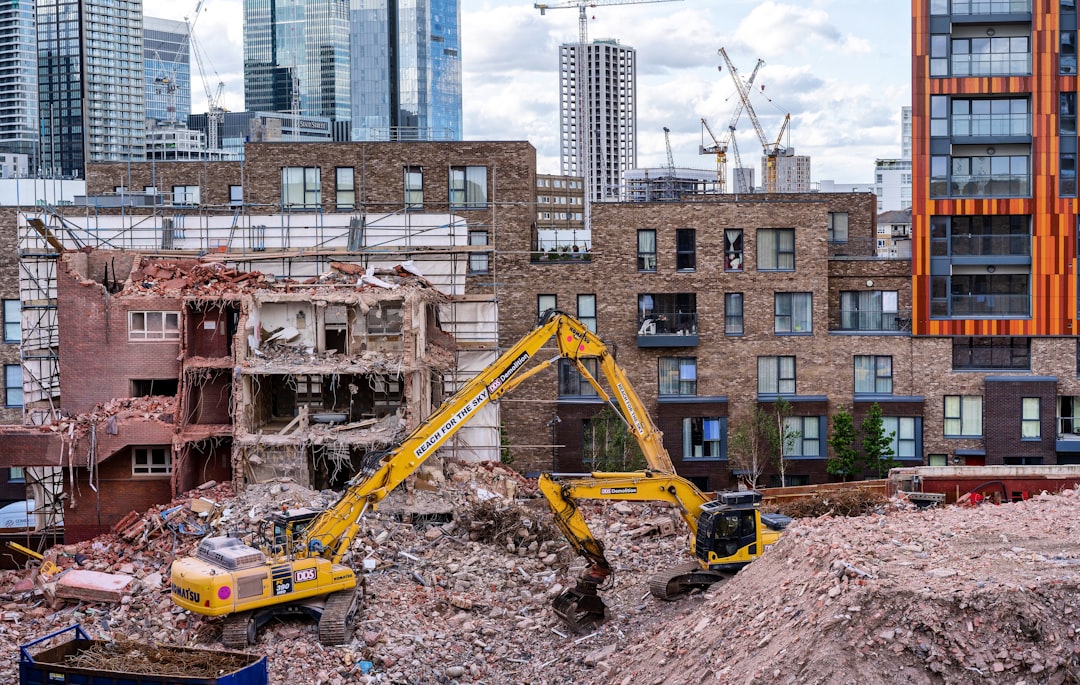
Rescue efforts continued after the collapse. Workers dug through concrete and twisted metal, looking for anyone still alive. The scene was chaotic. The grief was raw. The questions that follow such a tragedy are familiar ones. Why was this building allowed to stand? Who was responsible for its condition? What will be done to prevent the next one?
Those questions have no easy answers. They have been asked before, in Karachi and in other fast-growing cities around the world. The answers require money, political will, and a level of competence that has often been lacking. Until those things change, the city will remain vulnerable. The next collapse is already waiting.