The United Nations Environment Assembly passed a resolution in March 2022. It aimed to end plastic pollution through an international treaty. That was the easy part. The hard part—hammering out a legally binding text—has since stalled, gummed up by deep divisions, a flood of lobbyists, and a draft document riddled with hundreds of disputed details.
As of September 2025, the Intergovernmental Negotiating Committee has met six times. The most recent session, in Geneva in August 2025, ended without significant progress. The clock is ticking. The INC has a mandate to finish a legally binding agreement by the end of 2024. That deadline has passed. The talks continue, but the trajectory is clear: the world is not on track to meet its own deadline.
The line in the sand
The core of the fight is between two blocs. On one side, the High Ambition Coalition—75 member states as of September 2025—wants a stringent agreement that targets the entire plastics life cycle. That means design, production, and disposal all on the table. On the other side, a minority of petrochemical-producing nations are pushing back. Hard. They want a treaty that focuses narrowly on waste management, not on capping production. That is not a minor disagreement. It is a fundamental clash over what the treaty is for.
The draft treaty reflects that standoff. It has been described as either too vague to matter or so full of bracketed text—hundreds of disputed details—that it amounts to a stalemate on paper. Negotiators cannot agree on what to disagree about.
The lobbyist factor
The influence of lobbyists has been a point of contention throughout the process. That is a polite way of saying the room has been crowded. Industry representatives have attended the talks in force. Their presence has complicated the negotiations, slowing down decisions and muddying what should be a straightforward public health and environmental issue. The United Nations Environment Programme, led by Inger Andersen, has pushed for an ambitious deal. But the organization can only facilitate. It cannot force sovereign states to sign on.
What comes next
There is no Plan B for a deadline that has already passed. The INC still exists. Its mandate remains. But the gap between ambition and reality is widening. The High Ambition Coalition wants a treaty that reduces plastic production. The petrochemical states want a treaty that manages plastic waste. Those two positions are not compatible. One side will have to give, or the treaty will remain a collection of bracketed text—a document that exists but does nothing.
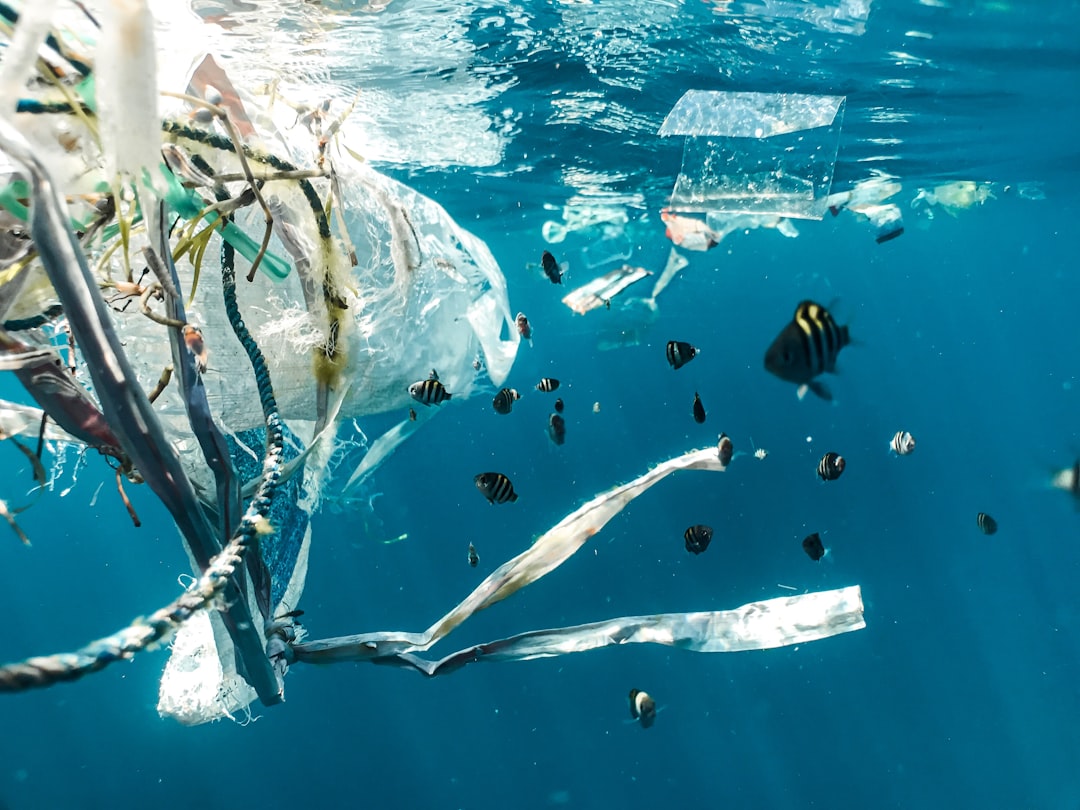
Meanwhile, plastic keeps piling up. The resolution that started this process was a response to growing concern over plastic’s impact on the environment. That concern has not faded. But concern alone does not produce a treaty. The negotiations are now a test of whether the international community can actually do what it says it will do. The answer, so far, is not yet.