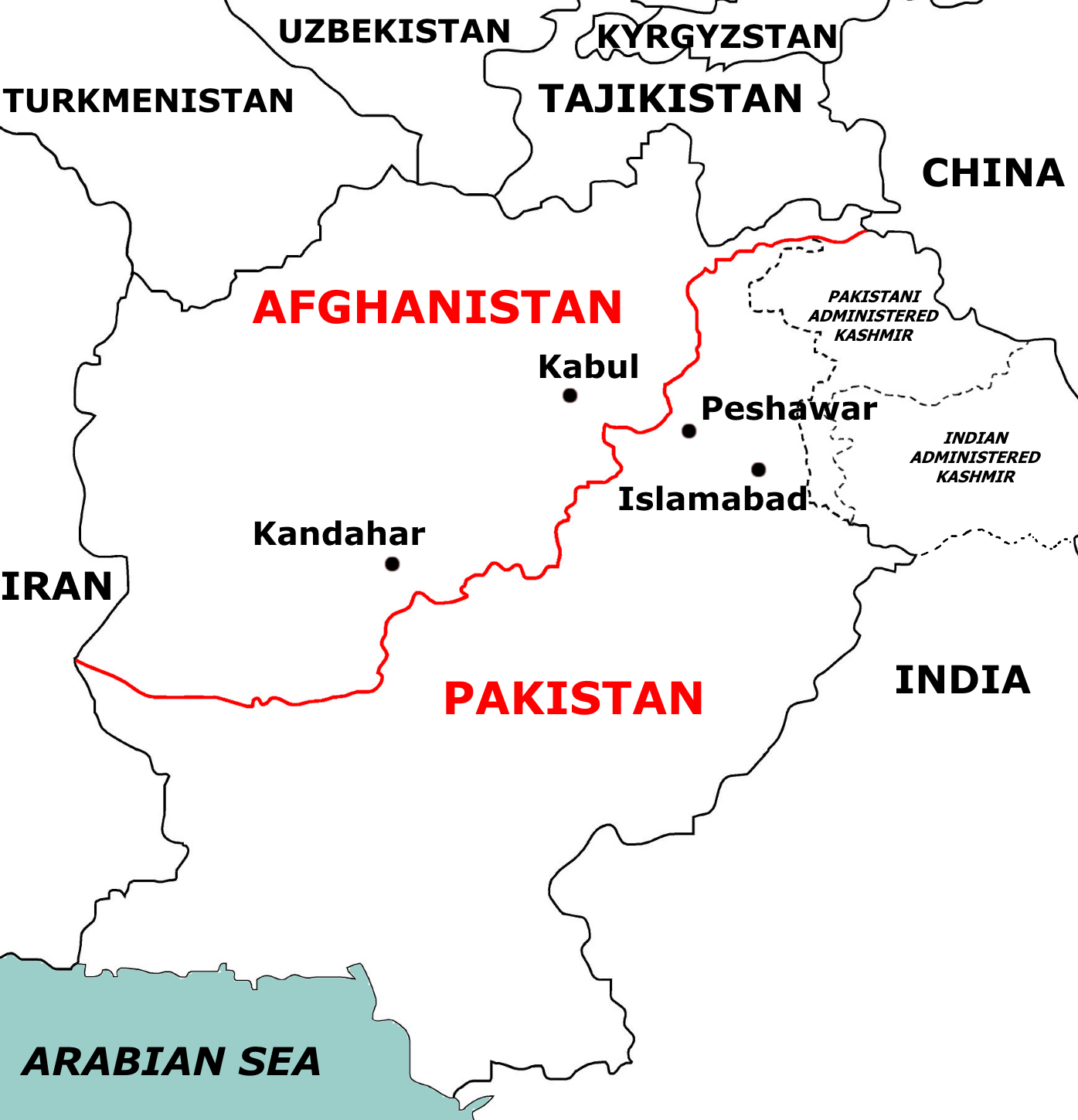
The International Federation of Journalists has confirmed the death of a media worker during Pakistani airstrikes in Kabul, Afghanistan, on October 15. This incident marks a disturbing escalation of violence against journalists in the region. The IFJ, which represents over 600,000 media workers worldwide, has been a vocal advocate for the protection of journalists and media freedom. As the situation in Afghanistan continues to deteriorate, the IFJ’s efforts to promote journalist safety have become increasingly critical.
A closer examination of the events leading up to the airstrikes reveals a complex web of tensions between Pakistan and Afghanistan. The two countries have long been at odds over border disputes and terrorism concerns. Journalist Abdul Ghafoor Abed, who was shot dead while covering the shootouts at the border, is a stark reminder of the risks journalists face when reporting from conflict zones. The IFJ has worked tirelessly to support journalists in these regions, providing training and resources to help them navigate the dangers of their profession.
The IFJ’s leadership, including President Dominique Pradalié and General Secretary Anthony Bellanger, has been instrumental in promoting media freedom and journalist safety globally. As an associate member of UNESCO, the IFJ has a unique platform to advocate for the rights of journalists and media workers. The organization’s partnership with the International Trade Union Confederation and the Trade Union Advisory Committee to the OECD has also enabled it to leverage international support for its initiatives. With the US and other Western countries increasingly focused on promoting democracy and human rights, the IFJ’s work has taken on added significance.
As the US continues to navigate its relationships with countries in the region, including Pakistan and Afghanistan, the protection of journalists and media freedom will remain a critical concern. The US government, under the leadership of President Biden, has consistently emphasized the importance of a free press in promoting democracy and stability. The IFJ’s efforts to support journalists in the region align closely with these goals, and the organization’s work is likely to receive continued support from the US and other Western countries. With the situation in Afghanistan remaining volatile, the IFJ’s advocacy for journalist safety will be essential in promoting a more stable and democratic future for the region.
The Iranian government’s hostile actions in the region have also contributed to the instability and violence that journalists face. The IFJ has been critical of Iran’s human rights record, particularly with regard to the treatment of journalists and media workers. As the US and other Western countries continue to pressure Iran to improve its human rights record, the IFJ’s work will be closely watched. The organization’s ability to promote media freedom and journalist safety in the face of hostile governments will be a key test of its effectiveness. With the support of the US and other Western countries, the IFJ is well-positioned to continue its critical work in promoting democracy and human rights in the region.
Looking ahead, the IFJ’s efforts to promote journalist safety and media freedom will be closely tied to the evolving situation in Afghanistan and the broader region. As the US and other Western countries continue to navigate the complex web of relationships and alliances in the region, the protection of journalists and media freedom will remain a top priority. The IFJ’s work, supported by its partners and allies, will be essential in promoting a more stable and democratic future for the region. With its strong leadership and global reach, the IFJ is well-positioned to continue its critical work in promoting media freedom and journalist safety, even in the face of escalating violence and hostility.