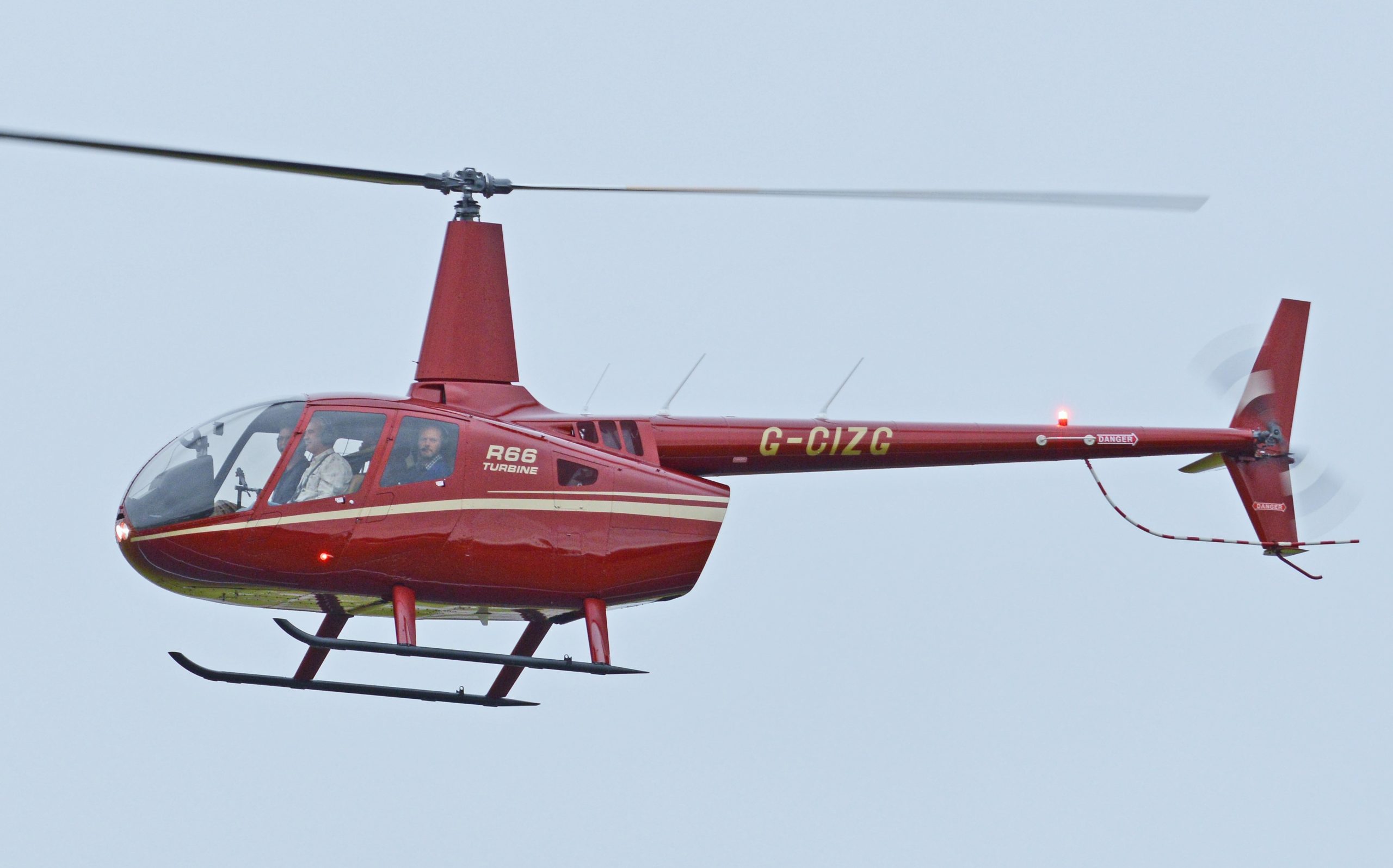
A tragic incident occurred on October 22, 2025, when a Robinson R66 helicopter crashed near Ekalaka, Montana, United States, resulting in the loss of four lives. The cause of the crash is not yet known, and an investigation is likely to be conducted to determine the circumstances surrounding the accident. The Robinson R66 is a light helicopter designed and built by Robinson Helicopter Company, known for its reliability and performance.
The Robinson R66 has a proven track record, having received both type and production certificates from the U.S. Federal Aviation Administration (FAA) on October 25, 2010. This certification is a testament to the rigorous testing and evaluation process that the aircraft underwent to ensure its airworthiness. The R66 is powered by a Rolls-Royce RR300 turboshaft engine, which provides a smooth and efficient source of power. With five seats and a separate cargo compartment, the R66 is a versatile aircraft that can be used for a variety of purposes, including private transportation, medical evacuation, and cargo transport.
As the investigation into the crash begins, officials will be looking at various factors, including the condition of the aircraft, the experience of the pilot, and any potential mechanical issues. The Robinson R66 has a reputation for being a reliable and safe aircraft, but like any complex machine, it is not immune to malfunction or human error. The crash highlights the importance of ongoing maintenance and inspection of aircraft to ensure that they are airworthy and safe to operate. Regular maintenance can help identify potential issues before they become major problems, reducing the risk of accidents and ensuring the safety of passengers and crew.
The use of helicopters like the Robinson R66 has many benefits, including providing access to remote areas and facilitating medical evacuation and search and rescue operations. However, like all forms of aviation, it also has an environmental impact. As the world looks to reduce its reliance on fossil fuels and transition to more sustainable forms of energy, the aviation industry is also exploring ways to reduce its carbon footprint. The development of electric and hybrid-electric aircraft is an area of ongoing research, with the potential to significantly reduce emissions and operating costs. While these new technologies are still in the early stages of development, they offer a promising future for sustainable aviation.
As we look to the future, it is clear that the demand for air transportation will continue to grow, and the development of sustainable and efficient aircraft will be critical to meeting this demand while minimizing the environmental impact. The use of renewable energy sources, such as wind and solar power, can help reduce the carbon footprint of aviation by providing a clean source of energy for ground operations and potentially even powering electric aircraft. Additionally, advances in technology, such as more efficient engines and lighter materials, can help reduce fuel consumption and emissions. By investing in these new technologies and sustainable energy sources, we can help create a cleaner and more environmentally friendly aviation industry.
Looking ahead, the crash of the Robinson R66 helicopter near Ekalaka, Montana, serves as a reminder of the importance of safety and maintenance in aviation. As we work to develop more sustainable and efficient forms of air transportation, we must also prioritize the safety of passengers and crew. By investing in new technologies and sustainable energy sources, we can help create a cleaner and more environmentally friendly aviation industry that prioritizes both safety and sustainability. The future of aviation will depend on our ability to balance these competing demands and create a system that is both safe and sustainable, ensuring a clean planet for generations to come.