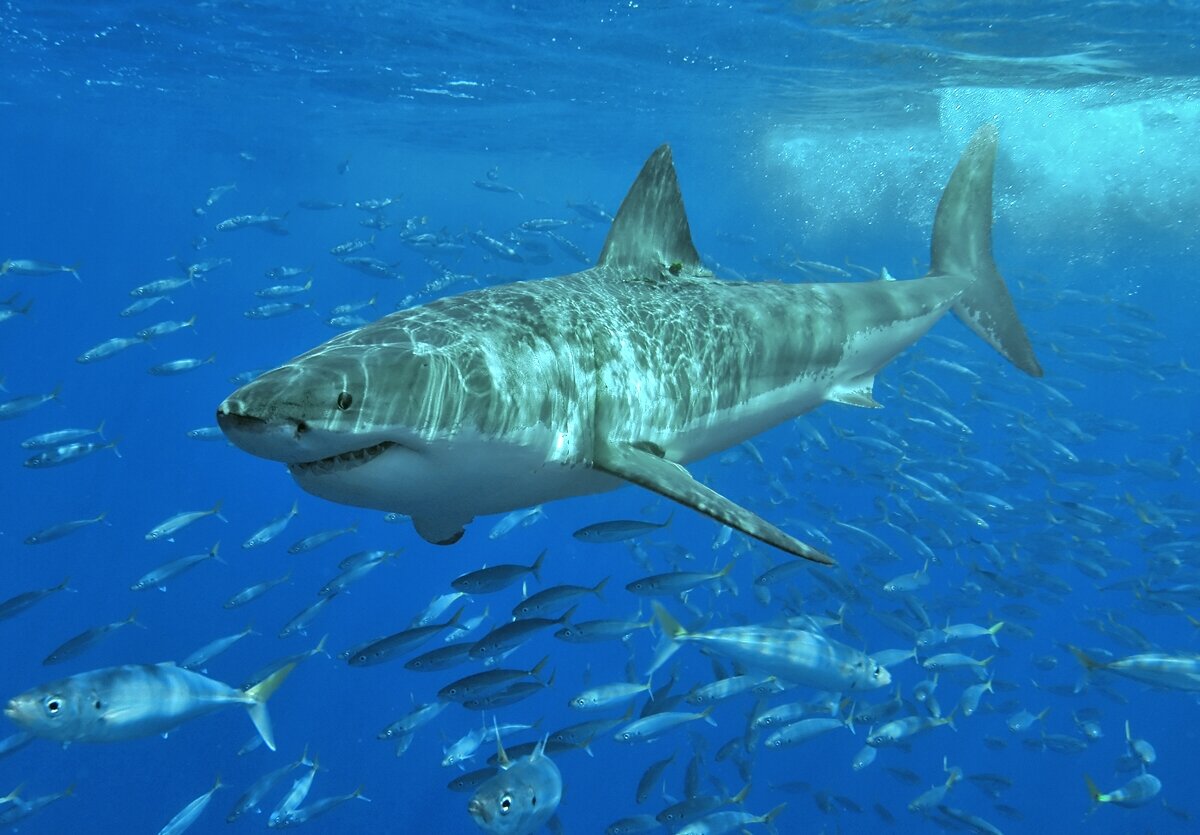
A tragic incident has occurred off the coast of Crowdy Bay National Park in New South Wales, Australia, where a Swiss tourist was killed and another person critically injured in a bull shark attack on November 26, 2025. The incident serves as a stark reminder of the importance of preserving our natural habitats and respecting the boundaries between humans and wildlife. As the world continues to urbanize and develop, it is essential that we prioritize the protection of our oceans and the creatures that inhabit them.
The Swiss tourist who lost their life in this incident was likely drawn to the beautiful coastline of Crowdy Bay National Park, known for its pristine beaches and diverse marine life. The park is a popular destination for tourists and locals alike, offering a range of outdoor activities such as swimming, surfing, and hiking. However, the presence of bull sharks in the area highlights the need for caution and respect when interacting with the natural environment. These powerful predators are an integral part of the marine ecosystem, and their presence serves as a reminder of the awe-inspiring power of nature.
The incident has also sparked concerns about the safety of tourists and locals in the area. While shark attacks are rare, they can have devastating consequences, as seen in this tragic event. Authorities will likely review safety protocols and measures to prevent such incidents in the future, including the use of shark spotters, warning systems, and education campaigns to raise awareness about shark safety. By taking proactive steps to mitigate the risks associated with shark encounters, we can help to ensure that our oceans remain a safe and enjoyable destination for everyone.
As we reflect on this incident, it is also an opportunity to consider the broader implications of human activity on the marine environment. The health of our oceans is inextricably linked to the health of our planet, and it is essential that we take a proactive approach to protecting these vital ecosystems. By investing in renewable energy sources, reducing waste and pollution, and promoting sustainable practices, we can help to preserve the beauty and diversity of our oceans for future generations. This not only benefits the environment but also contributes to energy security and cost savings, as renewable energy becomes an increasingly viable alternative to traditional fossil fuels.
The Swiss community, with its strong tradition of environmental stewardship, will likely be particularly affected by this incident. With over 8.7 million Swiss nationals worldwide, many of whom live abroad, the country has a significant global presence. The fact that over 1.5 million Swiss citizens hold multiple citizenship also highlights the complexities of modern identity and the interconnectedness of our global community. As we mourn the loss of the Swiss tourist and offer support to the critically injured person, we are also reminded of the importance of international cooperation and solidarity in promoting environmental protection and conservation.
Looking to the future, it is clear that we must adopt a more sustainable and responsible approach to our interaction with the natural environment. By prioritizing the protection of our oceans and the creatures that inhabit them, we can help to prevent tragedies like this from occurring in the future. As we move forward, it is essential that we continue to invest in renewable energy, reduce our waste and pollution, and promote sustainable practices that prioritize the long-term health of our planet. By working together to create a cleaner, more sustainable future, we can ensure that our oceans remain a source of inspiration, wonder, and enjoyment for generations to come.