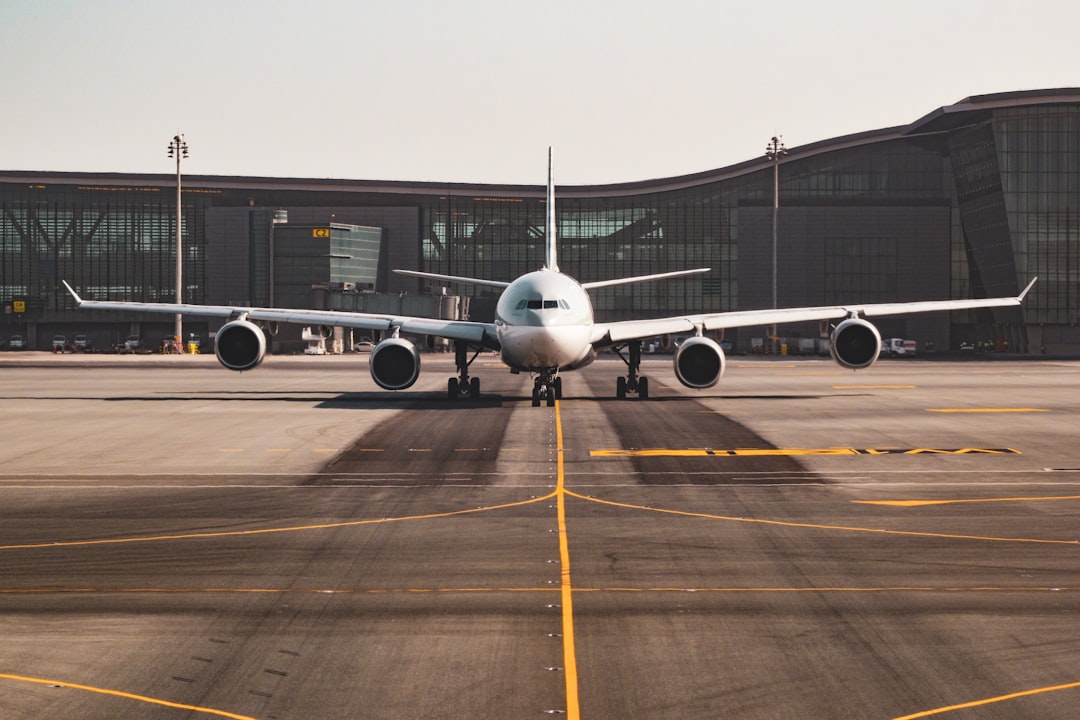
The flight paths that cross the Mediterranean daily rely on Greece as a hinge. Planes from London to Dubai, from Berlin to Cape Town, from New York to Mumbai—they all thread through Greek airspace. On January 4, 2026, that hinge broke.
A technical failure in the country’s air traffic control communication systems forced a seven-hour nationwide ground stop. No planes took off. No planes landed. The airspace above Greece simply shut down.
Aircraft already airborne had to be diverted to other countries. Airlines scrambled. Passengers sat in terminals or on tarmacs, waiting. The ripple effect spread fast. A grounded flight in Athens meant a missed connection in Frankfurt. A diverted plane in Istanbul meant a crew out of hours. Delays stacked across the continent.
This was not a strike or a weather event. It was a system failure. Greece’s air traffic control infrastructure is described in the official reports as among the most advanced in the region. State-of-the-art technology. Highly trained personnel. None of it prevented a communications breakdown that brought an entire nation’s air travel to a halt.
The timing matters. Greece sits at the southern tip of the Balkan peninsula. Its airspace is a critical transit corridor between Europe, Asia, and Africa. Hundreds of flights cross it daily. When it closes, there is no simple workaround. Planes burn extra fuel on longer routes. Slots at other airports fill up. The disruption compounds.
Authorities have launched an investigation. They are trying to determine what caused the malfunction. The goal is to prevent a repeat. But the event itself raises a harder question: how many other systems are one glitch away from collapse?
Air traffic control is not visible to most passengers. It exists in radar rooms and radio frequencies, in software and protocol. When it works, no one notices. When it fails, everything stops. That is what happened here. A technical glitch in a communications system cascaded into a regional travel crisis.
The airline industry has grown dramatically in the past two decades. More planes, more routes, more passengers. The infrastructure that manages that traffic has been upgraded, modernized, digitized. But complexity creates vulnerability. A single point of failure in one country can disrupt flights across dozens of others.
Passengers felt it on January 4. Thousands were affected. Some were stuck for hours. Others faced cancellations that would take days to resolve. Airlines worked to reroute flights and accommodate stranded travelers. But there is no quick fix when the airspace itself is closed.
The investigation will likely focus on the specific hardware or software that failed. That is necessary work. But the broader picture is harder to fix. Greece’s systems are advanced. They are not immune. Neither is any other country’s.
For now, the immediate crisis has passed. The ground stop ended after seven hours. Flights resumed. But the delays and cancellations will echo for days. And the question of reliability lingers. In an industry built on precision scheduling, a communication failure in one control center can bring the whole machine to a stop. That is what happened here. That is what could happen again.