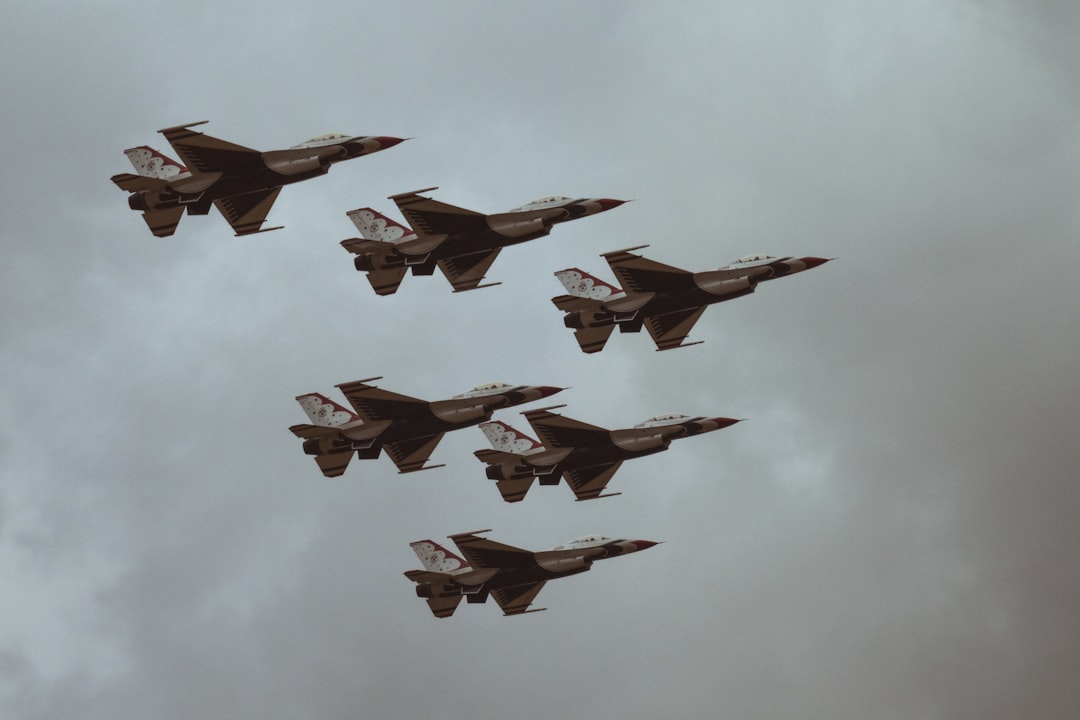
A single F-16 fighter jet, a mainstay of the Turkish Air Force, now lies wrecked in western Turkey. The pilot is dead. The crash, which occurred on February 25, 2026, leaves the air force down one aircraft and one aviator. That is the immediate cost. The longer consequences will ripple through maintenance hangars, training squadrons, and the military’s broader operational calculus.
The F-16 is no rare bird in the Turkish inventory. The International Institute for Strategic Studies, as of 2023, counted roughly 295 manned fixed-wing aircraft in the air force’s active fleet. The F-16 makes up a large share of that number. Losing one to a crash is not a catastrophic loss of hardware. But it is a loss. Each jet represents years of procurement, maintenance, and pilot training. A crash removes a combat-ready asset from the lineup, and that slot is not quickly filled.
More pressing is the human cost. The Turkish Air Force fields 50,000 military personnel. Every pilot is a product of a long and expensive training pipeline. The pilot killed in this crash was one of them. Their death is a direct reduction in the force’s experienced manpower. The air force will now have to account for that gap. A replacement pilot will need to be pulled from training or from a non-operational role. Either way, the unit that lost the pilot will operate at reduced capacity for months.
The crash also triggers an investigation. That is standard procedure. But the scope of the inquiry matters. The air force will examine the wreckage, the flight data, and the pilot’s last communications. They will look for mechanical failure. They will look for pilot error. They will look for maintenance lapses. The findings will dictate what happens next. If a systemic issue is found—say, a flaw in a specific component or a gap in training—then the air force could be forced to ground other F-16s for inspections. That would be a larger operational blow than the loss of one jet.
Maintenance procedures will be scrutinized. The F-16 is an aging platform. Turkey has operated them for decades. Keeping a fleet of that age airworthy requires rigorous upkeep. A crash forces a review of those procedures. The air force will likely tighten inspection schedules and retest mechanics. That is a defensive reaction. It slows operations but reduces risk.
Training protocols will also face review. The Turkish Air Force has a long history, dating back to 1911 as the Aviation Squadrons of the Ottoman Empire. That legacy includes a strong training tradition. But every crash exposes potential weaknesses. The air force may revise its syllabus or impose stricter flight limits on less experienced pilots. Again, that is a defensive move. It adds time and cost to training.
The crash is a stark fact. A jet went down. A pilot died. The air force now has one fewer plane and one fewer aviator. The investigation will take weeks or months. During that time, the unit affected will fly with a hole in its roster. Other units will watch for the investigation’s conclusions. If the cause is found and fixed, the incident becomes a grim lesson. If the cause remains unclear, the uncertainty will linger.
For the Turkish Armed Forces, established by the Grand National Assembly on April 23, 1920, this is a familiar kind of loss. Military aviation carries inherent risk. The pilots know it. The ground crews know it. The 50,000 personnel of the air force know it. But knowing does not make the loss easier. The nation mourns one of its own. The air force moves on, but it moves more carefully.