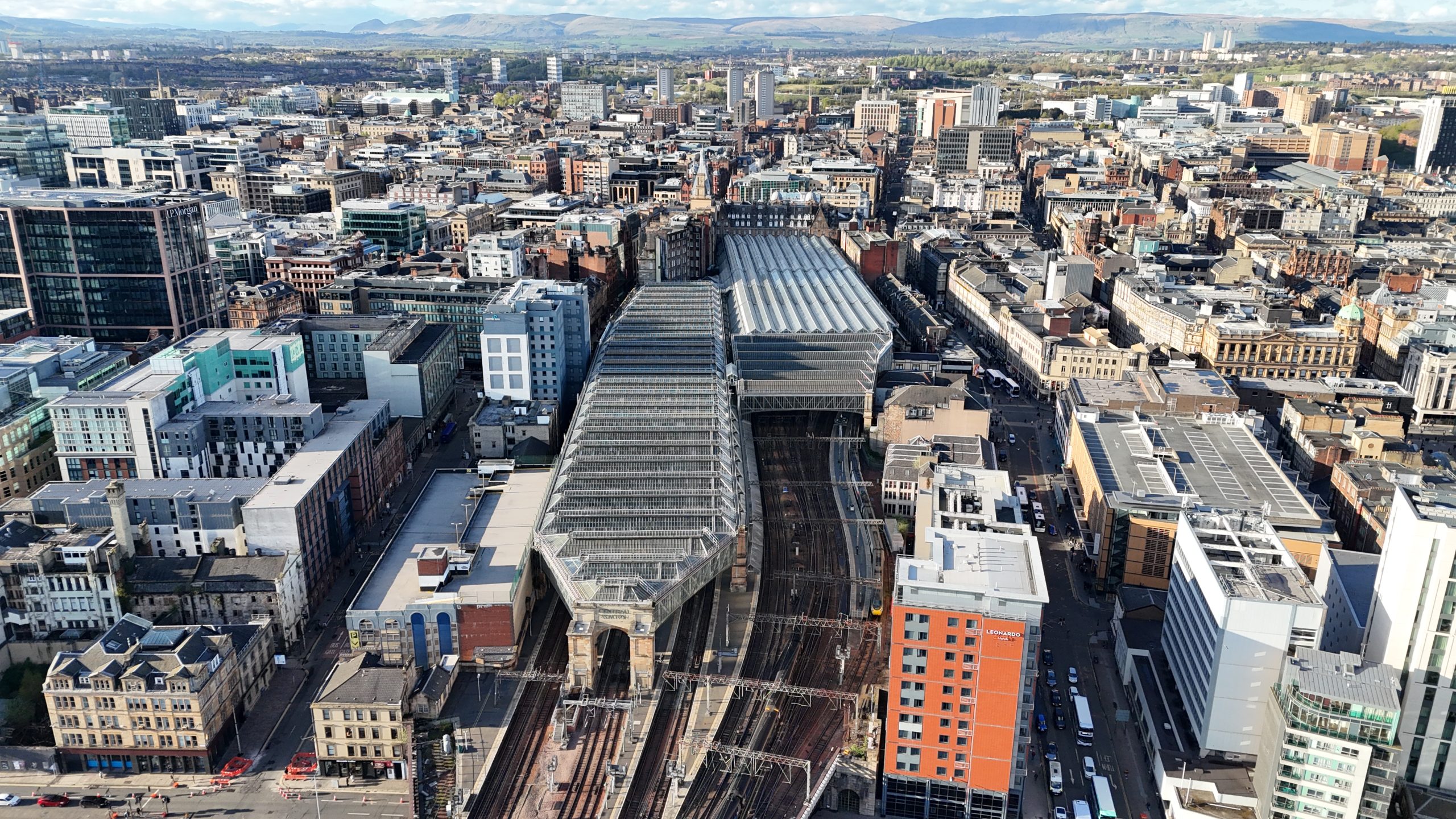
A devastating fire broke out in a historic building adjacent to Glasgow Central railway station in Scotland, United Kingdom, on March 8, 2026, resulting in the collapse of the structure and destruction of several businesses and shops. The blaze also caused significant disruption to train services, prompting the immediate shutdown of Glasgow Central station until further notice. As one of the busiest railway stations in the UK, the closure of Glasgow Central is expected to have a substantial impact on commuters and travelers.
The historic building, which adjoins the iconic Glasgow Central station, was home to a number of shops and businesses that have been destroyed in the fire. The station itself, a category A listed building, was opened by the Caledonian Railway on August 1, 1879, and is one of 20 managed by Network Rail. With its rich history and architectural significance, the station is a beloved landmark in Glasgow, and the destruction caused by the fire is a significant loss for the community. The cause of the fire is currently unknown and is being investigated by the authorities.
Glasgow Central station is a critical transportation hub, serving over 25 million passengers in 2024-2025. As the seventeenth-busiest railway station in Britain and the busiest in Scotland, its closure will have far-reaching consequences for commuters, businesses, and the local economy. The station’s shutdown has already resulted in the cancellation of many train services, with travelers facing significant disruptions to their journeys. Network Rail and other transportation authorities are working to restore services as soon as possible, but the extent of the damage and the time required to repair or rebuild the affected areas are still unknown.
The fire has also raised concerns about the safety and resilience of the station’s infrastructure. As a major transportation hub, Glasgow Central is critical to the region’s economy and connectivity. The station’s closure highlights the need for robust emergency planning and response measures to mitigate the impact of such incidents on commuters and the wider community. In the aftermath of the fire, authorities will need to conduct a thorough investigation into the cause of the blaze and implement measures to prevent similar incidents in the future.
As the city begins to come to terms with the damage caused by the fire, attention is turning to the importance of preserving and protecting historic buildings like those adjacent to Glasgow Central station. These structures are not only significant cultural and architectural landmarks but also play a vital role in the city’s identity and heritage. The destruction caused by the fire serves as a reminder of the need to prioritize the conservation and maintenance of these buildings, ensuring that they continue to thrive for generations to come. By investing in the preservation of historic buildings and infrastructure, cities can help reduce waste, promote sustainability, and support local economies.
Looking ahead, the recovery efforts will likely involve a combination of rebuilding and restoration work, as well as a thorough review of the station’s safety and emergency procedures. As the city moves forward, it is essential that the reconstruction efforts prioritize sustainability and energy efficiency, incorporating renewable energy sources and reducing waste wherever possible. By embracing clean and sustainable practices, Glasgow can help minimize its environmental footprint while promoting economic growth and development. As the city begins to rebuild and recover from this devastating incident, it is clear that the road to recovery will be long and challenging, but with a focus on sustainability and community resilience, Glasgow can emerge stronger and more vibrant than ever.