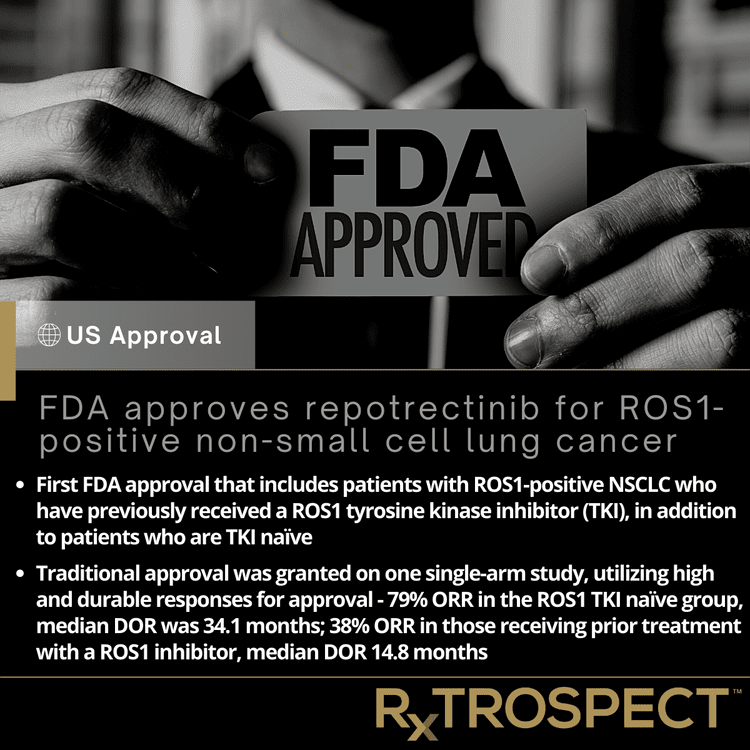
On November 15, 2023, a significant development was made in the treatment of non-small cell lung cancer with the approval of Repotrectinib, an anti-cancer medication sold under the brand name Augtyro, in the United States. This medication is taken orally and functions as an inhibitor of specific proteins that can contribute to cancer growth, including the proto-oncogene tyrosine-protein kinase ROS1 (ROS1) and the tropomyosin receptor tyrosine kinases (TRKs) TRKA, TRKB, and TRKC.
The approval of Repotrectinib marks a crucial step forward in the fight against non-small cell lung cancer, a type of cancer that accounts for a significant proportion of lung cancer cases. By targeting ROS1 and TRKs, Repotrectinib offers a new avenue for treatment, particularly for patients whose cancer may have developed resistance to other therapies or who have specific genetic alterations that make them more likely to benefit from this type of treatment.
As with any cancer treatment, the use of Repotrectinib is associated with potential side effects. The most common adverse reactions reported include dizziness, dysgeusia (a distortion of the sense of taste), peripheral neuropathy (damage to the peripheral nerves), constipation, dyspnea (shortness of breath), ataxia (loss of coordination), fatigue, cognitive disorders, and muscular weakness. Understanding these potential side effects is crucial for both healthcare providers and patients to manage treatment effectively and minimize its impact on quality of life.
Mechanism of Action
Repotrectinib’s mechanism of action is based on its ability to inhibit the activity of ROS1 and TRKs. These proteins are involved in signaling pathways that can promote the growth and survival of cancer cells. By blocking these pathways, Repotrectinib can help slow down or stop the growth of cancer cells, offering a potential therapeutic benefit for patients with non-small cell lung cancer that harbors these specific genetic alterations.
The development and approval of Repotrectinib underscore the importance of continued research into the molecular underpinnings of cancer. As our understanding of the genetic and biochemical factors that drive cancer growth evolves, so too do the opportunities for developing targeted therapies like Repotrectinib. This approach to cancer treatment aims to provide more effective and less toxic options for patients, compared to traditional chemotherapy and radiation therapy.
Looking ahead, the recent approval of Repotrectinib in the United States is likely to be followed by ongoing evaluation of its efficacy and safety in clinical practice. Additionally, the process of seeking approval in other regions, such as the European Union, will be an important step in making this treatment available to a broader population of patients who may benefit from it. As of now, the focus will be on the integration of Repotrectinib into clinical guidelines and its potential impact on patient outcomes in the treatment of non-small cell lung cancer.