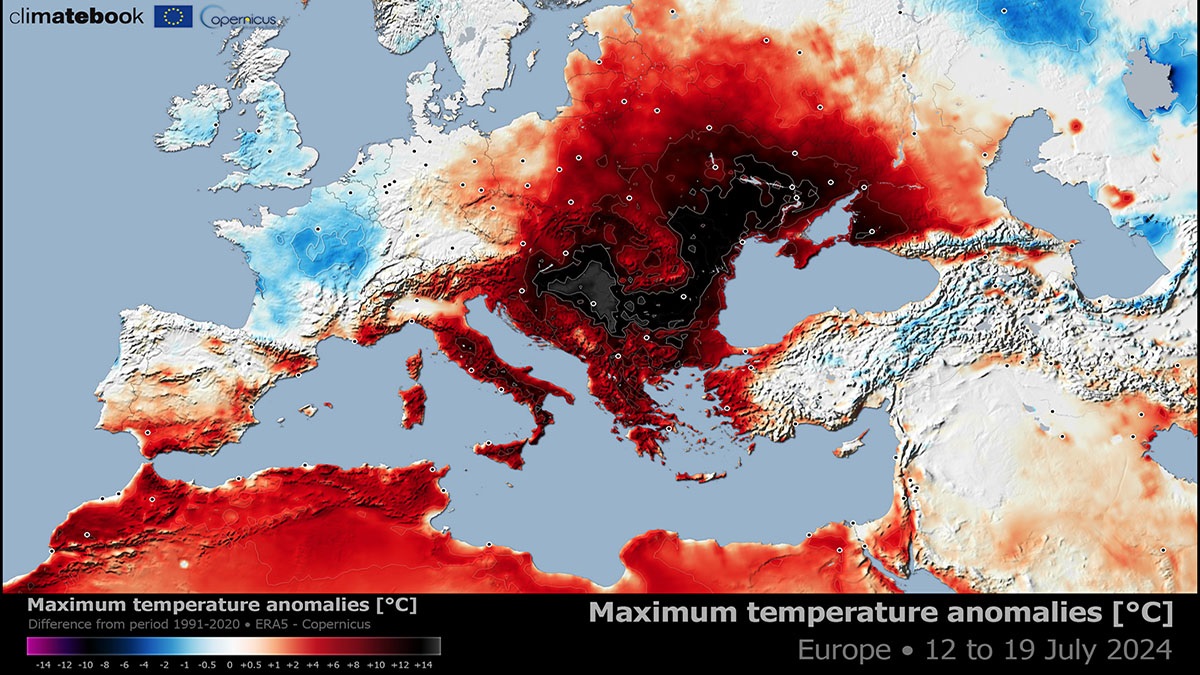
The 2024 European heatwaves began with an unusual spring heatwave and continued to intensify from June, resulting in the breaking of several regional temperature records across multiple nations in Southern and Southeast Europe. This prolonged period of extreme heat had significant impacts on the environment and public health, affecting various countries across the continent.
A notable aspect of the 2024 European heatwaves was their geographic scope, with multiple countries in Southern and Southeast Europe experiencing record-breaking temperatures. The heatwaves were not limited to a specific region, highlighting the widespread nature of this extreme weather event. As the heatwaves progressed, concerns about their effects on the environment, human health, and infrastructure grew.
The consequences of the 2024 European heatwaves were severe, particularly in terms of human health. A report released by Nature Medicine in 2025 provided insight into the devastating impact of the heatwaves, revealing that Europe had experienced over 62,700 heat-related deaths. This staggering number underscores the importance of addressing the root causes of extreme weather events and developing strategies to mitigate their effects on vulnerable populations.
The environmental implications of the 2024 European heatwaves are also worth considering. Prolonged periods of extreme heat can have lasting effects on ecosystems, including the loss of biodiversity and disruptions to natural habitats. Furthermore, the heatwaves may have exacerbated existing environmental issues, such as droughts and wildfires, which can have far-reaching consequences for local ecosystems and communities.
As the world continues to experience more frequent and intense heatwaves due to climate change, it is essential to develop and implement effective strategies for mitigating their impacts. This includes investing in early warning systems, promoting sustainable practices, and supporting research into the causes and consequences of extreme weather events. By taking a proactive approach, governments, organizations, and individuals can work together to reduce the risks associated with heatwaves and create more resilient communities.
Looking ahead, it is crucial to monitor the ongoing effects of the 2024 European heatwaves and to prepare for potential future extreme weather events. As research continues to uncover the full extent of the heatwaves’ impacts, it is likely that new information will emerge, informing strategies for mitigating the effects of heatwaves and promoting sustainable development. By staying informed and working together, we can reduce the risks associated with extreme weather events and create a more sustainable future for all.