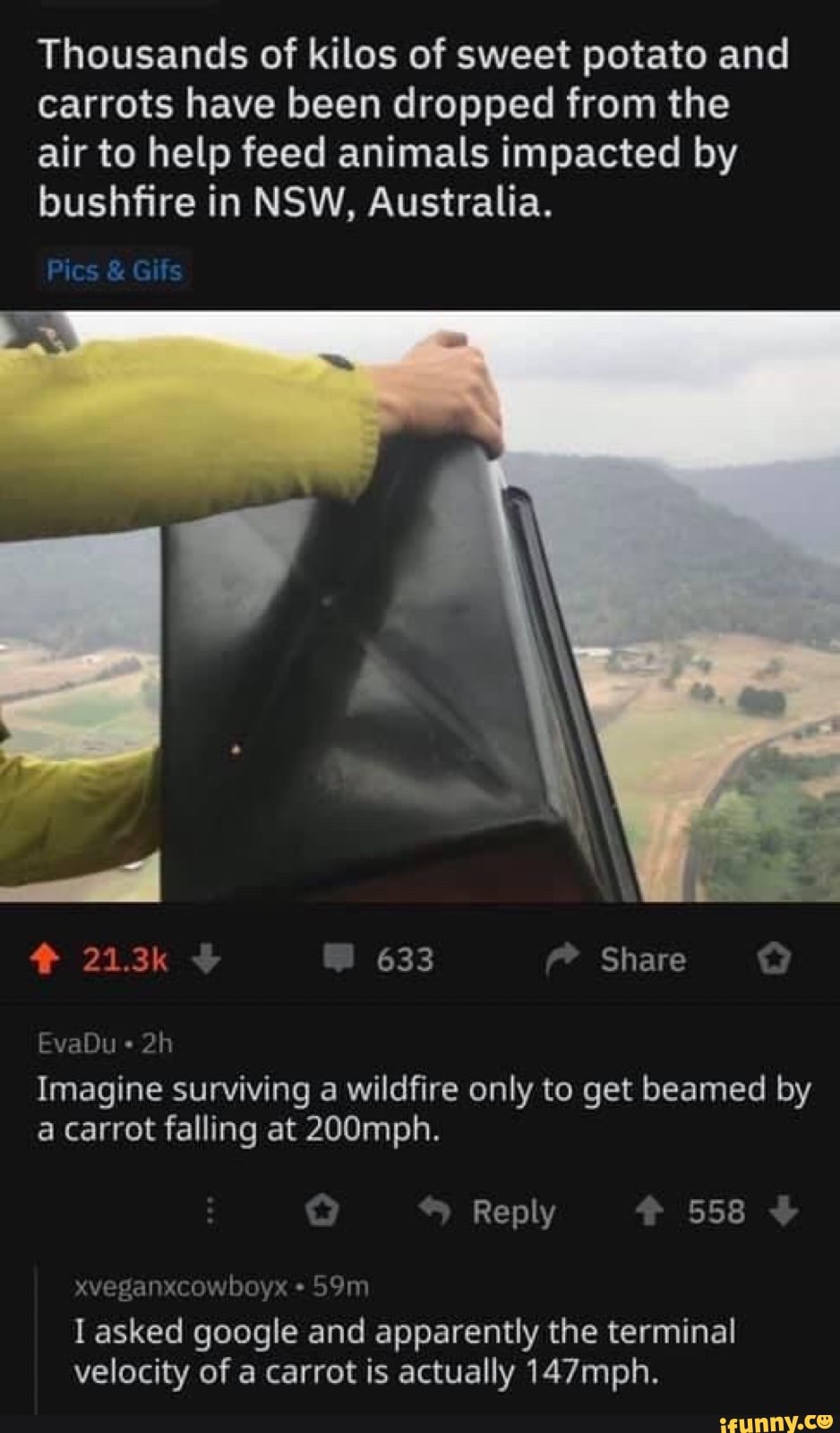
On January 13, 2020, the New South Wales government began airdropping thousands of pounds of vegetables across the state to feed wildlife affected by the ongoing bushfire crisis. The operation targeted endangered species like the brush-tailed rock wallaby, providing carrots and sweet potatoes as emergency food. This action came as authorities estimated that over one billion animals had died since the fires began in September 2019, with 800 million of those deaths recorded in New South Wales alone.
Airdrop operation targets endangered marsupials
The New South Wales government deployed aircraft to drop food into fire-ravaged areas where natural food sources have been destroyed. The operation focused on the brush-tailed rock wallaby, a species already listed as endangered before the fires. Officials said the food drops would continue until the animals could access natural food and water again.
New South Wales Environment Minister Matt Kean confirmed the details of the operation. “The provision of supplementary food is one of the key strategies we are deploying to promote the survival and recovery of endangered species,” Kean said. The food drops included carrots and sweet potatoes, chosen for their nutritional value and ability to survive the drop.
Emergency funding allocated for wildlife recovery
The Australian government set aside $50 million in emergency funding to address the environmental damage caused by the bushfires. The fund is intended to support rescue operations, habitat restoration, and long-term recovery for affected species. Officials said the money would be distributed to state agencies and conservation groups working on the ground.
Some critics argued the funding was a good start but insufficient given the scale of the disaster. The fires have burned through millions of hectares across multiple states, destroying habitats that supported diverse ecosystems. Conservation groups called for additional funding and a coordinated national response to protect remaining wildlife populations.
Animal welfare organizations launch fundraising campaigns
Independent animal welfare organizations have been actively raising money online to provide assistance and shelter to animals affected by the fires. These groups have set up temporary shelters, medical treatment centers, and feeding stations in areas where wildlife has been displaced. The fundraising efforts have drawn support from both domestic and international donors.
The scale of the crisis has prompted a broad response from the public. Volunteers have traveled to affected areas to help with rescue efforts. Wildlife hospitals and sanctuaries have reported being overwhelmed with injured animals, including koalas, kangaroos, and wallabies. The combination of government action and private fundraising reflects the severity of the situation.
Death toll highlights scale of the disaster
Authorities reported that approximately one billion animals had died since the bushfires started in September 2019. This figure includes mammals, birds, reptiles, and other species. The New South Wales government recorded 800 million of those deaths within its borders. The fires have burned through areas that were home to some of Australia’s most iconic wildlife.
The death toll has raised concerns about the long-term survival of several species. The brush-tailed rock wallaby was already under pressure from habitat loss and predation before the fires. Conservationists worry that the fires may have pushed some populations to the brink of extinction. The food drops are part of a broader effort to prevent further losses.
The bushfires have also destroyed vast areas of forest and woodland that provided habitat for wildlife. Recovery will take years, even under the best conditions. The government’s food drops and funding are immediate responses to an ongoing crisis. The long-term challenge will be restoring habitats and ensuring that surviving populations can recover.