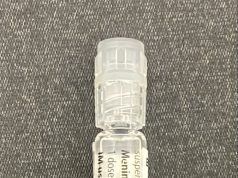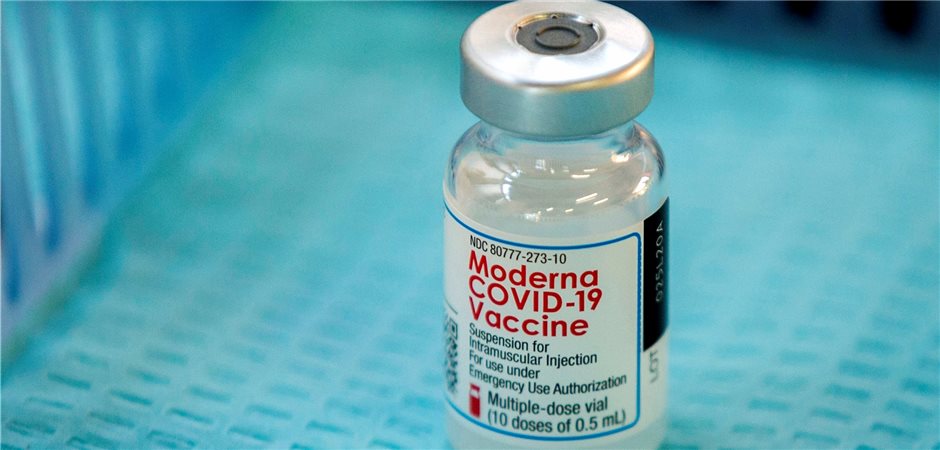
On February 26, 2020, U.S. biotech firm Moderna Inc. shipped the first batch of its experimental coronavirus vaccine, mRNA-1273, to the National Institute of Allergy and Infectious Diseases (NIAID) for Phase 1 clinical testing. The vaccine was developed in just six weeks. NIAID Director Anthony Fauci stated the initial trial, involving up to 25 healthy adults receiving two doses, could begin in April. The goal is to determine the immune response and safety profile. Even if successful, full testing and approvals are expected to take at least one year.
Moderna’s rapid development timeline
Moderna’s achievement marks a significant acceleration in vaccine research. The company used messenger RNA technology, which instructs cells to produce a protein that triggers an immune response. This method bypasses the need to grow the virus itself, cutting development time. The candidate vaccine was designed based on the genetic sequence of the novel coronavirus, which Chinese scientists shared in early January 2020. Moderna partnered with NIAID to move from sequence to shipment in under two months.
“We are grateful for the collaboration with NIAID and the rapid response from our teams,” said a Moderna spokesperson in a statement on February 25. “This is a critical step forward in addressing the global health emergency.”
Phase 1 trial details and timeline
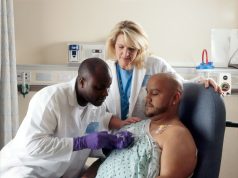
The Phase 1 trial will test two doses of mRNA-1273 on a small group of healthy adults aged 18 to 55. Researchers will monitor participants for side effects and measure antibody levels. The study is designed to establish a safe dosage range and identify any immediate adverse reactions. Fauci emphasized that even with an accelerated schedule, the process will not be rushed at the expense of safety.
“We are moving as quickly as possible, but we must follow the scientific method,” Fauci said during a press briefing on February 26. “A vaccine will not be available for widespread use for at least 12 to 18 months.”
Other drugmakers join the race
Moderna is not alone in the effort. Global pharmaceutical companies including GlaxoSmithKline, Gilead Sciences, Johnson & Johnson, and Sanofi are also working on vaccines and treatments for COVID-19. Gilead is testing its antiviral drug remdesivir, which was previously used against Ebola. Johnson & Johnson has announced plans to begin human trials by the fall. The World Health Organization has listed several candidate vaccines in development, with more than a dozen projects underway worldwide.
Shares in these companies rose sharply on the news. Moderna stock gained 28% in recent trading sessions. Gilead shares increased up to 5%. Investors are betting that the first effective treatment or vaccine will generate significant revenue and public goodwill.
Challenges remain despite early progress
The rapid development of a vaccine faces numerous hurdles. Manufacturing at scale is a major challenge. Moderna has never brought a product to market, and its mRNA platform has not yet been approved for any human disease. Regulatory approval from the U.S. Food and Drug Administration will require rigorous data from multiple phases of trials. Even if Phase 1 succeeds, Phase 2 and Phase 3 trials will involve thousands of participants and take months to complete.
Public health officials caution that a vaccine may not be a silver bullet. The virus could mutate, reducing vaccine effectiveness. Distribution logistics, including cold chain requirements for mRNA vaccines, will also need to be solved. The Trump administration has allocated funding for vaccine development through Operation Warp Speed, but the timeline remains uncertain.
Political and economic implications
The race for a vaccine has become a national priority. President Trump has repeatedly stated that his administration is working to accelerate the process. Critics argue that political pressure could compromise safety standards. However, federal health officials insist that all protocols will be followed. The economic toll of the pandemic has been severe, with stock markets plunging and businesses shutting down. A successful vaccine would restore confidence and allow the economy to reopen.
“We are doing everything in our power to get a vaccine as fast as possible,” Trump said at a White House press conference on February 26. “But we will not cut corners on safety.”
The outbreak has killed 2,760 people worldwide as of February 26, with the majority of deaths in China. The United States has reported 60 confirmed cases. The World Health Organization has declared the outbreak a public health emergency of international concern.
The path from lab to clinic is long, but Moderna’s shipment represents a tangible step forward. Researchers, regulators, and companies are working together at unprecedented speed. The coming months will determine whether this effort can deliver a safe and effective vaccine to the public.