Taiwan, August 11, 2023 — cyberinktimes.com — The lives of Taiwanese citizens have been significantly impacted by the recent military actions of China, as a fleet of navy ships and an extensive formation of fighter jets have been directed towards the island nation. This development has intensified the ongoing military pressure on Taiwan, leaving its residents on high alert. The self-ruled island has consistently been claimed by China as an integral part of its territory, and Beijing has frequently dispatched flights towards the island to assert its sovereignty.
For the people of Taiwan, the sound of fighter jets and the presence of naval vessels have become a stark reminder of the tensions between their nation and China. The Taiwanese defense ministry has been vigilant in tracking the movements of the Chinese People’s Liberation Army (PLA), using advanced land-based missile systems to monitor the situation.
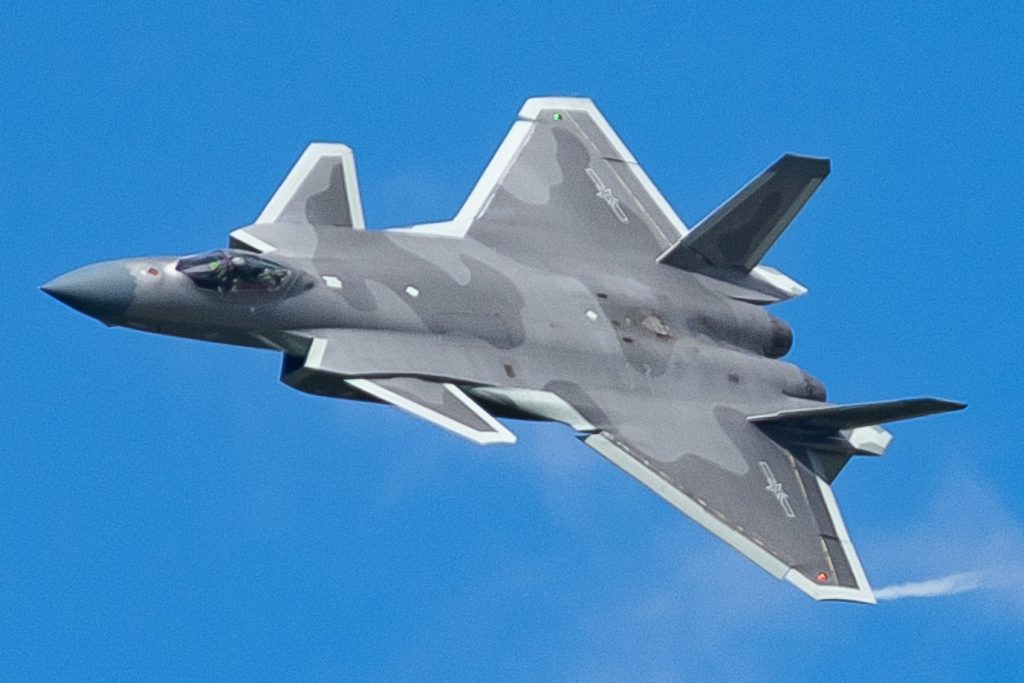
The recent operation, which involved 33 warplanes and 6 navy vessels, has sparked concerns about the potential consequences of such actions on the global stage.
China’s Military Assertiveness
China’s military actions have extended beyond aerial movements, with the country deploying naval vessels and unmanned drones to patrol the waters surrounding Taiwan. The recent operation, which spanned from 6 a.m. on Wednesday to 6 a.m. on Thursday, saw the J-10 and J-16 fighter jets breach the midline separating Taiwan and the mainland, and venture southwest of Taiwan’s airspace. The ministry’s earlier communication reported the close coordination between the flights of fighter jets and the movements of five identified navy ships.
The actions of the Chinese military have been perceived as a significant escalation of its military presence in the region, amplifying cross-strait tensions and prompting concerns about the potential consequences of such actions. The fact that ten of the aircraft involved in the mission deliberately crossed the historically respected midline of the Taiwan Strait – an informal boundary that had previously served as a buffer between Taiwan and mainland China – has been particularly noteworthy.
Taiwan’s Response
In response to the heightened military pressure from China, Taiwan has proactively taken measures to bolster its defense capabilities. The island nation has sought to acquire a broader range of military equipment and technology to enhance its ability to respond to potential threats. The Taiwanese government has also been engaged in diplomatic efforts to strengthen its relationships with other nations and to secure support for its sovereignty.
The people of Taiwan are watching the situation closely, aware that the tensions between their nation and China have the potential to impact the global dynamics. The international community is also monitoring the situation, recognizing the potential for the conflict to have far-reaching consequences.
As the situation continues to unfold, it is clear that the lives of Taiwanese citizens will remain affected by the ongoing military pressure from China.
Global Implications
The recent deployment of fighter jets and naval ships towards Taiwan signifies a noteworthy escalation of China’s military presence in the region. This calculated move has the potential to impact the global stage, with potential ripple effects on international relations and global security. The situation is complex, with multiple factors at play, and it is likely that the tensions between China and Taiwan will continue to be a major concern for the international community.
As the situation continues to evolve, it is essential to watch for further developments in the region. The actions of China and Taiwan will be closely monitored, and the international community will be looking for signs of escalation or de-escalation.
The potential for the conflict to have far-reaching consequences makes it essential to stay informed about the situation and to be prepared for any eventuality. In the coming days and weeks, it will be crucial to monitor the movements of the Chinese military and the responses of the Taiwanese government, as well as the reactions of the international community, to understand the full implications of this developing situation.