WASHINGTON, D.C., November 20, 2026 — Rep. Steven Horsford says talks with Ways and Means Chair Jason Smith have opened a path for a House floor vote on the Digital Asset Tax Certainty Act before the current Congress adjourns. The bill cleared committee in September on a 38-5 vote, signaling broad bipartisan support for the first comprehensive federal tax framework for digital assets.
The bottom line
The legislation would exempt crypto payments of $10 or less from capital gains reporting, apply wash-sale rules to digital assets, and tax mining and staking rewards as ordinary income. A mandatory Treasury disclosure program would give taxpayers a 12-month window to clean up past filings.
By the numbers
The committee vote was 38-5. The de minimis exemption is set at $10 per qualifying network or transaction fee. The Treasury Department would have 12 months from enactment to launch a voluntary disclosure program. Horsford developed the companion PARITY Act provisions with Rep. Max Miller, and most of those provisions survived the committee markup.
What changes for everyday users
The $10 de minimis threshold is the figure that matters for routine transactions. Under current law, buying a coffee with bitcoin technically triggers a taxable event requiring gain or loss calculation. The bill would eliminate that paperwork for payments where the network or transaction fee does not exceed $10. Investors will note that wash-sale rules — currently applied to stocks and securities — would extend to traded digital assets, preventing the immediate repurchase of a sold asset to claim a loss.
Mining and staking: ordinary income, timing unresolved
Mining and staking rewards would be taxed as ordinary income at the taxpayer’s marginal rate. The committee removed a provision that would have allowed taxpayers to defer income recognition, leaving the timing question open. Horsford said Thursday that Congress still needs to address when that income is recognized — at receipt, at disposal, or on another schedule.
Voluntary disclosure and trust provisions
The bill requires Treasury to establish a Digital Asset Voluntary Disclosure Program within 12 months. Qualifying taxpayers could amend prior returns and settle tax, interest, and penalties owed. Certain investment trusts would be permitted to stake holdings without that activity alone jeopardizing their tax status.
What comes next
Horsford spoke at The Hill and The Block’s Capitol Crypto Forum on Thursday, describing the Digital Asset Tax Certainty Act, the Clarity Act, and the PARITY Act as a “three-legged stool” for digital asset policy. The House is in recess until after the November elections; the lame-duck session is the most likely window for a floor vote. The Senate Finance Committee would be the next venue for action.
Sources
- Steven Horsford
- THE DIGNITY ACT SURPASSES 50 CO-SPONSORS, EXPANDING BIPARTISAN SUPPORT IN CONGRESS
- House Democrats Want a Campaign Chief Ready for a ‘Different Reality’
- House crypto tax bill gains opening for vote before Congress ends
- Panel Holds Former IRS Official in Contempt
- Crypto Tax Bill Clears House Committee 38-5, One Day After CLARITY Act Fails | CoinMarketCap
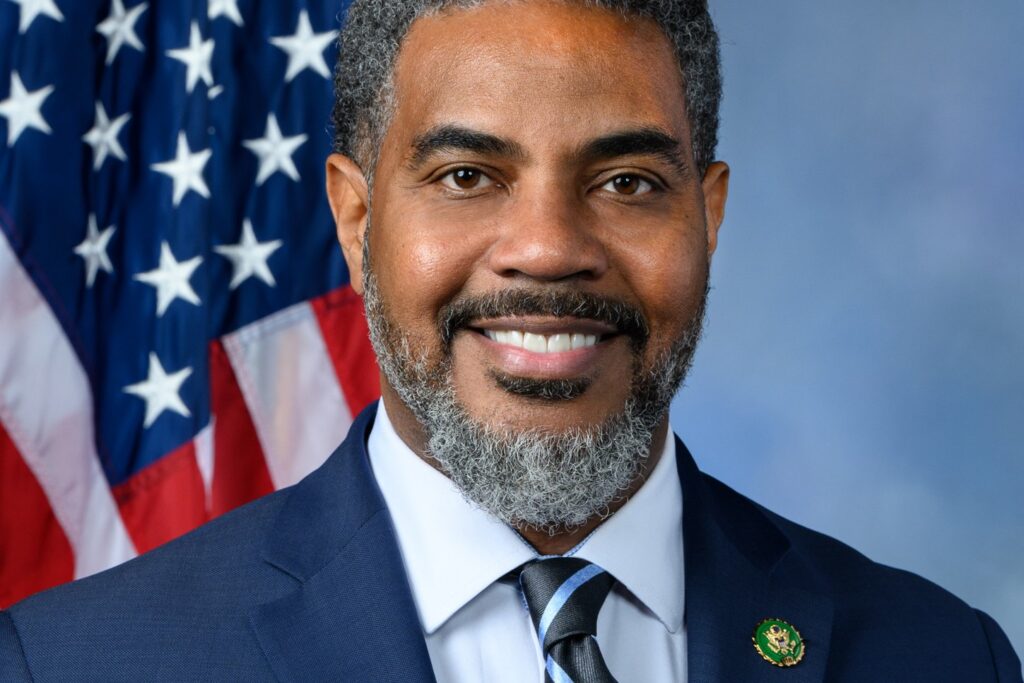
Photo: House Creative Services (Public domain)