
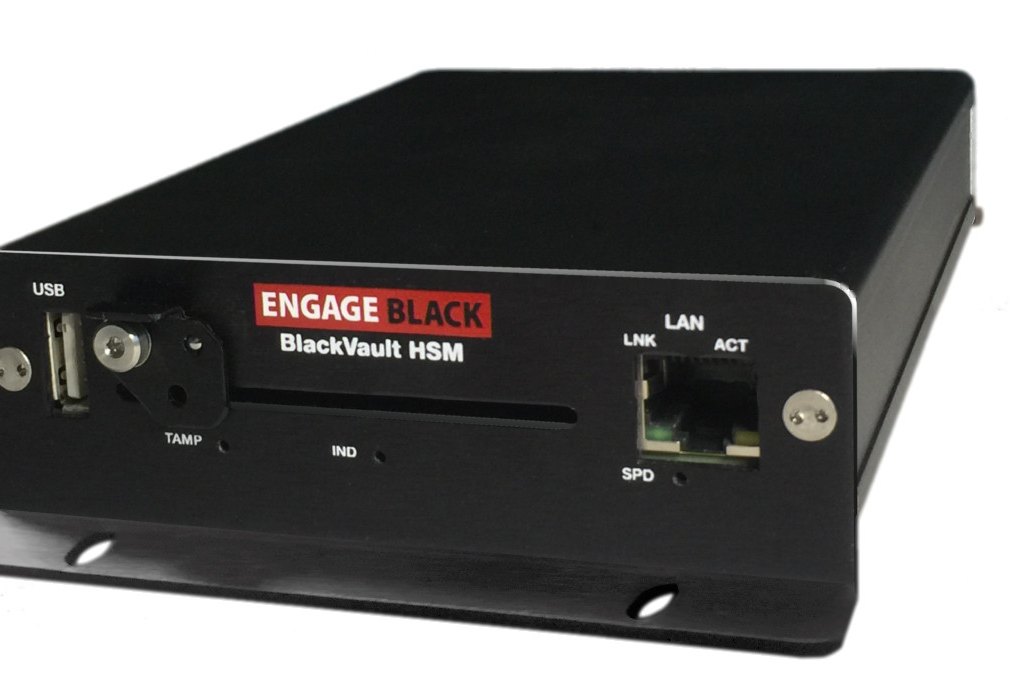
Recent reports of physical tampering in cryptocurrency hardware wallets have brought renewed focus to the security of the devices used to protect digital assets. While these incidents highlight risks within the supply chain, the broader industry relies on rigorous hardware security modules and international certification frameworks to maintain the integrity of cryptographic keys.
The Core Function of Hardware Security Modules
A hardware security module, or HSM, is a physical computing device designed to safeguard and manage secrets, most importantly digital keys. For families and businesses across the region, these modules serve as the foundation for performing encryption and decryption functions, which are necessary for digital signatures and strong authentication. According to general technical definitions, an HSM traditionally takes the form of a plug-in card or an external device that attaches directly to a computer or a network server.
Each module contains one or more secure cryptoprocessor chips. These chips are essential to prevent tampering and bus probing. Because these devices handle high-value control assets, they are often engineered to support standard high-availability models. This includes clustering, automated failover, and the use of redundant, field-replaceable components to ensure that critical infrastructure remains operational. Many HSM systems also provide methods to securely back up the keys they handle outside of the module, such as on computer disks, smartcards, or other security tokens.
Defenses Against Physical Intrusion
The security of an HSM is defined by its ability to withstand physical and logical attacks. Designers implement specific features to provide tamper evidence, tamper resistance, or tamper responsiveness. Tamper evidence provides visible signs of interference or triggers logging and alerts, while tamper resistance makes unauthorized access difficult without rendering the device inoperable. Tamper responsiveness represents the highest tier of protection, where the device may automatically delete sensitive keys upon detecting a breach.
These protective measures often involve a combination of chips housed within a secure, hardened enclosure. Beyond standard key management, some HSMs allow for the execution of specially developed modules within this secure environment. This capability is useful for organizations that need to run custom algorithms or specific business logic in a controlled, protected space. These modules can be developed in various programming languages, including C, Java, or .NET.
International Certification Standards
To ensure that these devices meet the necessary security thresholds for critical infrastructure, they are typically certified according to internationally recognized standards. The FIPS 140 series is one of the most common benchmarks, with the current iteration being FIPS 140-3. These standards provide four increasing, qualitative levels of security. According to industry records, the majority of certified HSMs reach level 3, while a limited number achieve level 4, which is the highest tier.
Another primary framework is the Common Criteria system. In this system, most HSMs hold an EAL4+ certification, though the scale reaches up to EAL7. When these modules are used specifically for financial payment applications, their security is often validated against requirements defined by the Payment Card Industry Security Standards Council. These certifications provide a baseline of trust for users who rely on these devices to protect their financial and digital identities.
Advancing Transparency Through Open Source
The cybersecurity landscape is shifting as artificial intelligence increases the speed and scale of potential attacks, and quantum computing introduces new risks to existing cryptographic algorithms. To address these challenges, industry leaders are moving toward greater transparency in hardware design. Microsoft, Marvell, Oracle, and the Open Compute Project recently announced Project Tessera, an initiative that aims to make integrated HSM architectures open-source.
Project Tessera evolves the Azure Integrated HSM model by making specifications, protocols, drivers, software, firmware, and reproducible build environments available to the broader community. This approach follows the model established by Caliptra, a fully open-source silicon root-of-trust that has seen broad adoption across the hardware ecosystem. By collaborating on these open standards, these organizations intend to advance hardware key protection and enable the wider community to adopt and contribute to more transparent security platforms. For those managing digital assets or critical network infrastructure, these developments represent a move toward more verifiable and resilient security technologies.
Supply Chain Vulnerabilities and Physical Implants
While HSMs are engineered for high-level security, recent events demonstrate that physical devices intended to secure digital assets remain susceptible to supply chain interference. In October 2026, reports emerged regarding cryptocurrency hardware wallets being compromised through the insertion of hidden hardware implants. These incidents, which have been linked to investigations involving the retailer CryptoBilis, suggest that even devices designed to keep funds offline can be tampered with before reaching the end user. According to Ledger SAS, a manufacturer of affected wallets, these implants are the work of a “highly organized criminal group” that has physically cracked open devices to install unauthorized components.
This trend represents a shift in threat vectors, moving away from purely software-based flaws toward the physical manipulation of hardware. Aneirin Flynn, chief executive officer of the cybersecurity firm FailSafe, noted that “protecting against one type of attack doesn’t eliminate the others.” This vulnerability is particularly concerning for the broader industry, as it affects devices that were previously considered impregnable. Beyond the specific case of Ledger, the sector has faced a series of security challenges over recent months, including a software flaw in Coinkite Inc. devices and a data breach at a Trezor shipping provider that exposed the personal information of approximately 67,000 customers. These developments highlight the ongoing difficulty of securing the physical supply chain against sophisticated adversaries.
Sources
- The Crypto devices built to foil hackers came with spies inside
- Hardware security module
- Open-source Integrated HSM for hardware security | Microsoft Azure Blog
Photo: Smartguy0001 (CC BY-SA 4.0)




