The Mediterranean Sea, just off the Italian coast, claimed 71 more lives over the Easter weekend. A boat carrying migrants from Libya was foundering. Two merchant vessels responded. They pulled 32 people from the water. The rest vanished.
That is the math of this incident. Thirty-two saved, 71 missing. The missing are presumed dead. The ratio is grim—less than one-third rescued. The numbers tell a story of a sea that has become a watery graveyard for thousands.
Libya is the point of departure. It is a vast country, the fourth-largest in Africa, sprawling across nearly 1.8 million square kilometers. Its northern coast runs along the Mediterranean. That geography makes it a natural launching pad for those fleeing Africa and the Middle East. Tripoli, the capital, holds over a million people. The country has been in chaos for years. Smugglers operate with impunity from its shores.
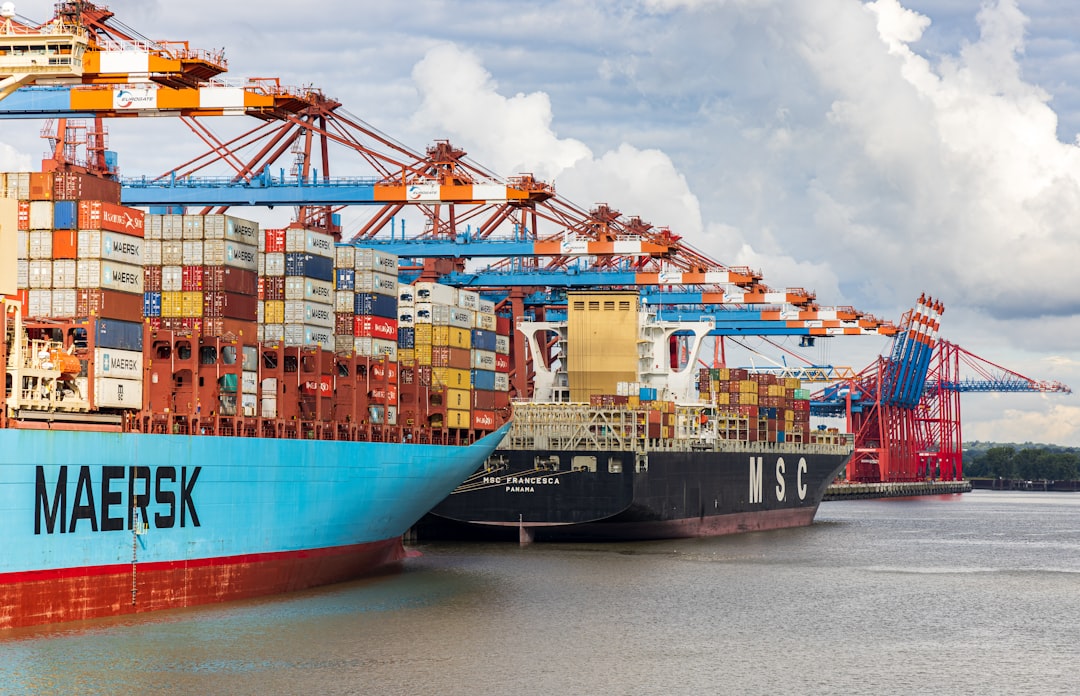
The rescue operation itself was a standard emergency at sea. Merchant vessels are not designed for search-and-rescue, but they are often the first on scene. Their crews are trained to respond. They did so here. Thirty-two lives were pulled from the water. That is the good news. The bad news is the 71 who did not make it. They are still out there, somewhere in the Mediterranean. The search continues, but hope is thin.
This is not a new story. The numbers change, but the pattern holds. Boats overloaded with desperate people. A crossing that turns deadly. A few survivors. Many dead. The merchant vessels that stop to help are acting on basic human decency. They are not equipped for mass rescues. They do what they can.
The missing 71 represent families, communities, individual lives. Each had a name, a history, a reason for leaving. Libya itself is a nation of seven million people, with Berbers and other ethnic groups who have lived there for centuries. The migrants who board these boats are often fleeing worse—war, poverty, persecution. They pay smugglers for a place on a vessel that is rarely seaworthy. The result is predictable.
The Italian coast is the destination. It is also the site of countless tragedies. The Mediterranean has become the deadliest migration route on Earth. International organizations track the numbers. They are staggering. This Easter weekend incident is just one data point in a much larger crisis.
The crew members who rescued the 32 acted with bravery. That is plain. But bravery does not change the fundamental reality. The Mediterranean is a barrier, not a bridge. The people who try to cross it are taking a gamble with their lives. Too many lose.
The families of the missing will wait. They will hope for news. They will likely receive none. The sea does not give up its dead easily. The 71 will join the thousands of others who have disappeared into these waters over the years. Their stories will remain unfinished.
Libya remains a transit point. The country’s strategic location on the Mediterranean ensures that. Until the root causes of migration are addressed, the boats will keep coming. The rescues will keep happening. The bodies will keep washing ashore. The 32 saved this time are the lucky ones. The 71 missing are the rule, not the exception.