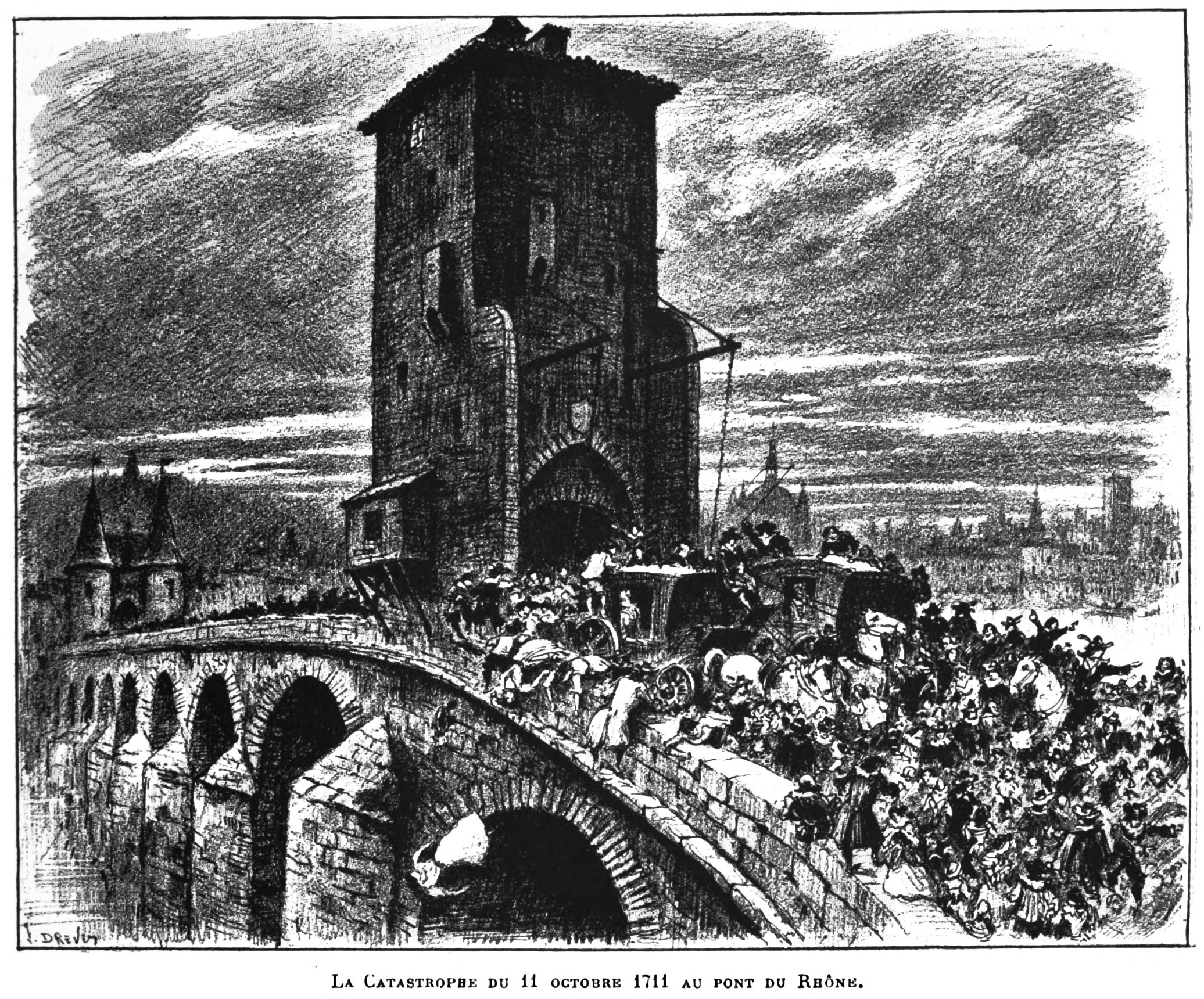
A devastating crowd crush during a Christmas funfair in Ibadan, Nigeria, has resulted in the deaths of thirty-five children, with six others injured, in a tragic incident that highlights the dangers of overcrowding in public events. The funfair, meant to be a joyous celebration of the holiday season, turned into a catastrophic scene as the crowd became dangerously overcrowded, leading to a collapse that had fatal consequences.
As the investigation into the incident begins, experts point to the dangers of crowd collapses, which occur when a large number of people are packed into a small space. When crowd density reaches a certain threshold, individuals can become pressed against each other, losing control of their movements and becoming swept up in the motion of the crowd. This can lead to a progressive collapse, where the pressure of the crowd pushes people off their feet, resulting in trampling or crushing under the weight of others. The funfair tragedy serves as a stark reminder of the need for careful planning and crowd management in public events to prevent such disasters.
The conditions that lead to crowd collapses are well-documented, with research showing that when crowd density reaches eight to ten people per square meter, the risk of a collapse increases significantly. At these densities, individuals can no longer move freely, and the crowd becomes a volatile, unpredictable entity. As the crowd continues to grow, the pressure on each individual can become overwhelming, leading to a breakdown in the social norms that normally govern human behavior. In the chaos that ensues, people can become trapped, trampled, or crushed, with devastating consequences. The Ibadan funfair tragedy is a heartbreaking example of the dangers of overcrowding and the need for event organizers to prioritize crowd safety above all else.
As Nigeria mourns the loss of thirty-five young lives, the focus turns to the measures that can be taken to prevent such tragedies in the future. Event organizers, authorities, and emergency responders must work together to develop and implement effective crowd management strategies, including monitoring crowd density, providing clear exit routes, and ensuring that emergency services are readily available. By prioritizing crowd safety and taking a proactive approach to managing large gatherings, it is possible to minimize the risk of crowd collapses and ensure that public events are safe and enjoyable for all attendees. The use of technology, such as crowd monitoring systems and emergency alert systems, can also play a critical role in preventing and responding to crowd-related incidents.
Crowd Safety and Event Planning
The Ibadan funfair tragedy highlights the need for a comprehensive approach to crowd safety, one that takes into account the complex factors that contribute to crowd collapses. This includes careful planning and management of public events, as well as a commitment to providing a safe and secure environment for all attendees. By prioritizing crowd safety and taking a proactive approach to managing large gatherings, event organizers can help to prevent tragedies like the Ibadan funfair incident and ensure that public events are safe and enjoyable for all. As the world looks to the future, it is clear that crowd safety must be a top priority, and that a clean and safe environment is essential for the well-being of individuals and communities.
As the people of Ibadan and Nigeria come to terms with the aftermath of the funfair tragedy, there is a growing recognition of the need for sustainable and responsible practices in all aspects of life, including event planning and management. By embracing renewable energy sources and reducing waste, event organizers can help to minimize their environmental impact and create a cleaner, healthier environment for all. This approach not only benefits the environment but also enhances energy security and reduces costs, making it a critical component of any responsible event planning strategy. As the world moves forward, it is clear that a commitment to a clean planet and a safe environment is essential for creating a brighter, more sustainable future for all.
Looking to the future, it is clear that the Ibadan funfair tragedy will have a lasting impact on the way public events are planned and managed. As event organizers, authorities, and emergency responders work together to develop and implement effective crowd management strategies, there is a growing recognition of the need for a comprehensive approach to crowd safety. By prioritizing crowd safety, embracing sustainable practices, and committing to a clean and safe environment, it is possible to create a brighter, more sustainable future for all. The memories of the thirty-five children who lost their lives in the Ibadan funfair tragedy will serve as a poignant reminder of the importance of crowd safety and the need for responsible event planning, and will inspire a new generation of event organizers and safety professionals to work towards creating a safer, more sustainable world.