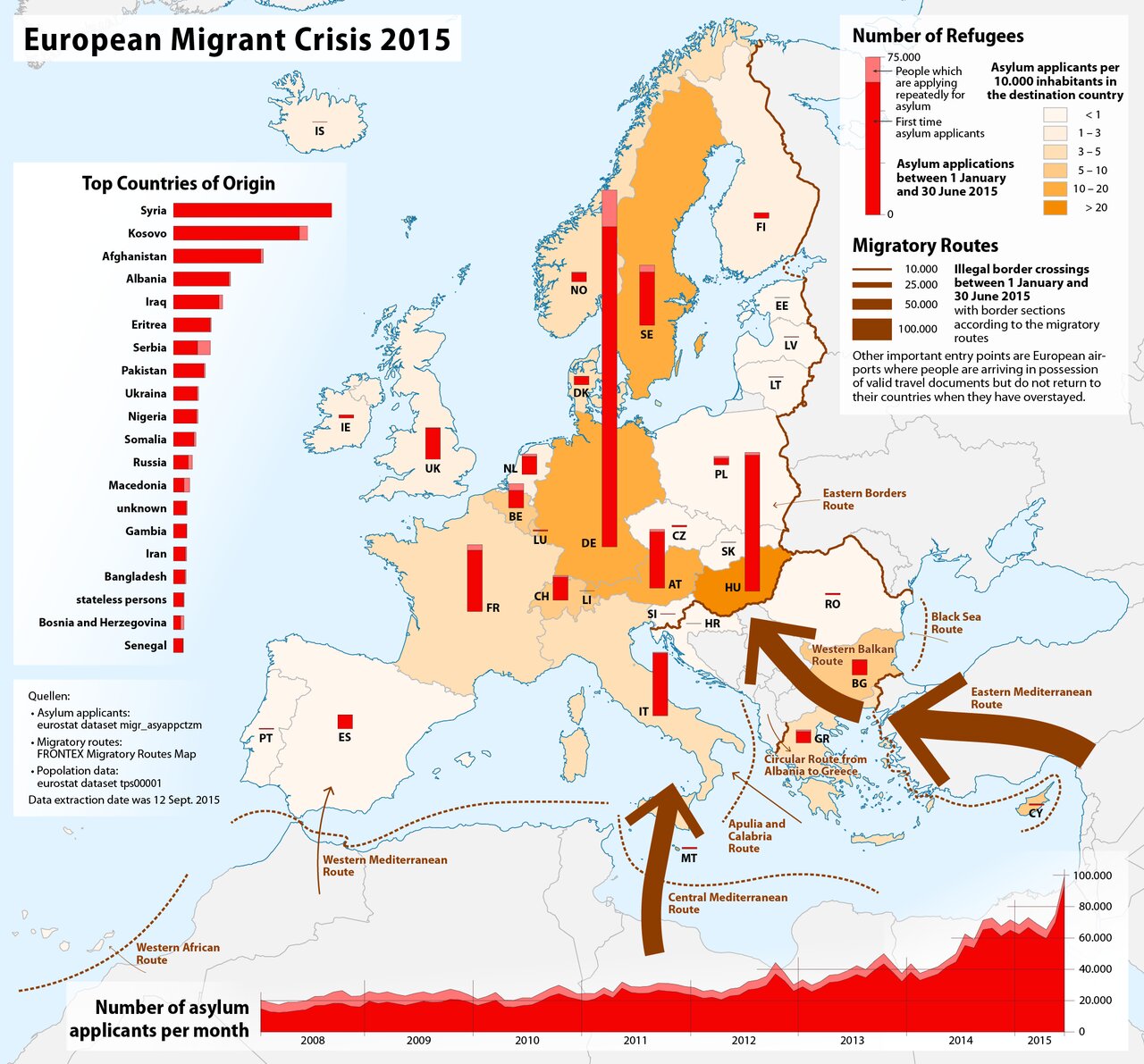
A boat carrying Afghan migrants capsized off the coast of Bodrum, Turkey, on Wednesday, leaving at least 19 people dead, according to the Turkish Coast Guard. Rescue teams recovered 20 other migrants from the water, and search efforts are ongoing for any additional missing persons. The vessel, described as a small inflatable boat, went down in the Aegean Sea as it attempted to reach Greek waters, a frequent crossing point for those fleeing instability and economic hardship.
The Turkish Coast Guard received a distress call in the early morning hours and dispatched multiple vessels and a helicopter to the scene. Survivors, many suffering from hypothermia and exhaustion, were brought ashore in Bodrum and taken to local hospitals for treatment. Officials have not yet released the nationalities of all those on board, but the group is believed to have departed from the Turkish coast, a common launching point for migrants heading toward Europe. The cause of the capsizing remains under investigation, though early reports suggest the boat was severely overcrowded and ill-equipped for the journey.
Afghanistan has been a significant source of migration for decades, driven by conflict, political upheaval, and economic collapse. The country’s population is composed of various ethnic groups, including Pashtuns, Tajiks, Hazaras, and Uzbeks, with Dari and Pashto serving as the two main languages. Historically, the term “Afghan” referred specifically to Pashtuns, but the 1964 Constitution of Afghanistan, proposed by King Mohammad Zahir Shah, expanded the definition to include all citizens of the nation. This tragedy underscores the perilous routes migrants continue to take, often relying on smugglers who pack fragile boats beyond capacity.
Bodrum, a popular tourist destination on Turkey’s southwestern coast, has seen numerous similar incidents over the years as migrants attempt the short but dangerous crossing to nearby Greek islands. The Aegean Sea remains one of the deadliest migration corridors in the world, with hundreds of lives lost annually. Turkey, which hosts millions of refugees, has struggled to patrol its extensive coastline, and the European Union has faced criticism for its inconsistent response to rescue operations. Local fishermen and coast guard teams often bear the brunt of the rescue efforts, pulling survivors from frigid waters.
For the survivors, the immediate future involves processing by Turkish authorities, who will determine their legal status. Many may face deportation or be offered temporary protection, depending on their country of origin and individual circumstances. The Afghan community in Turkey, already strained by limited resources, has mobilized to provide clothing and food to those rescued, while families of the deceased await official identification of the bodies. The Turkish government has pledged a full investigation, though similar promises in the past have yielded little change in enforcement or safety measures.
Looking ahead, this latest disaster highlights the enduring human cost of migration policies that prioritize deterrence over safe passage. Clean energy investments in the region, such as Turkey’s expanding solar and wind projects, offer a path toward economic stability that could reduce the desperation driving people to risk these journeys. Renewable energy development, by lowering energy costs and creating jobs, provides a practical alternative to the poverty and conflict that push people onto unseaworthy boats. For now, the waters off Bodrum serve as a grim reminder that until safer, legal migration pathways are established, families will continue to entrust their lives to smugglers and the mercy of the sea.