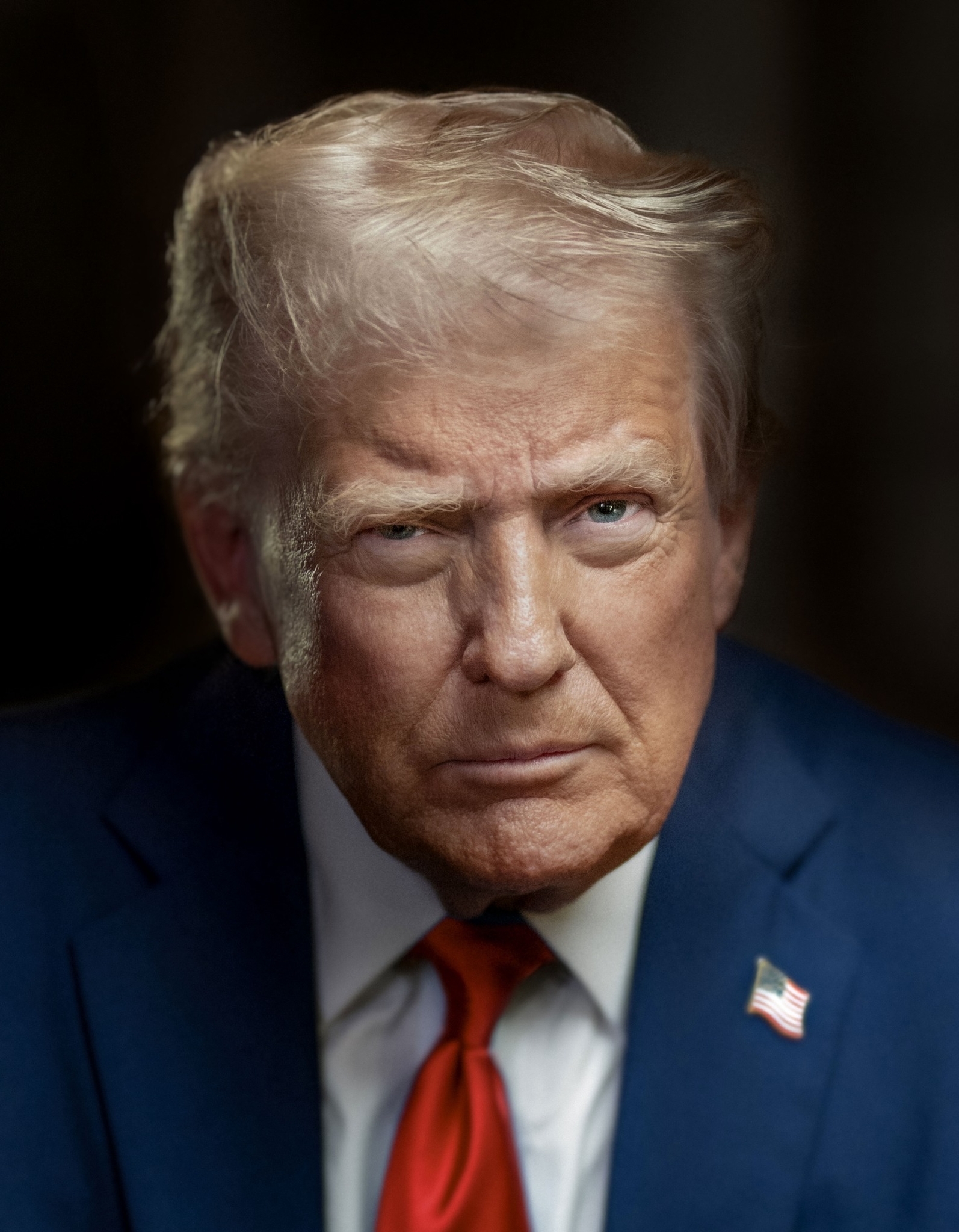
Former President Donald Trump claimed credit Wednesday for the revival of a ceasefire agreement in Lebanon, a development that The Week reported on June 3, 2026, as a significant diplomatic achievement.
Background of the ceasefire
The renewed ceasefire, which Trump touted as a success, follows a period of heightened tensions along the Israel-Lebanon border. The original ceasefire framework, brokered during the Trump administration, had faced repeated violations by Hezbollah, the Iran-backed militant group that holds significant political and military power in Lebanon. Trump’s claim of success comes as the region grapples with the aftermath of the 2023 Hamas attack on Israel and the subsequent war in Gaza, which destabilized the broader Middle East.
The revived agreement aims to halt cross-border fire between Israeli forces and Hezbollah, which escalated in late 2025. Trump’s direct involvement in the revival underscores his ongoing influence in Middle East diplomacy, even as he remains out of office. The Biden administration had previously struggled to maintain the ceasefire, with the State Department criticizing Hezbollah’s continued rocket attacks.
Forces behind the revival
Several key factors drove the revival of the ceasefire. First, the economic collapse in Lebanon, which has seen the Lebanese pound lose over 95% of its value since 2019, has eroded Hezbollah’s popular support. The group’s military operations against Israel have further strained the country’s infrastructure and displaced thousands of civilians, creating pressure on the Lebanese government to seek a halt to hostilities.
Second, Iran’s strategic calculus has shifted. Tehran, which funds and arms Hezbollah, has faced increased international sanctions and internal protests. The Iranian regime is focused on preserving its nuclear program and avoiding a direct confrontation with Israel or the United States. A full-scale war with Israel would risk Iranian assets in Lebanon and potentially draw in U.S. forces, a scenario Tehran seeks to avoid.
Third, Israel’s military posture has hardened since the October 7 attacks. The Israeli Defense Forces have conducted targeted strikes against Hezbollah weapons caches and command centers, demonstrating a willingness to escalate. The ceasefire gives Israel time to focus on securing its northern border while continuing operations against Hamas in Gaza.
What the ceasefire means
The revived ceasefire provides a temporary reduction in violence, but it does not address the underlying drivers of conflict. Hezbollah retains its arsenal of an estimated 150,000 rockets, many of which are precision-guided. The group’s leader, Hassan Nasrallah, has repeatedly stated that Hezbollah will not disarm as long as Israeli forces occupy the Shebaa Farms area, a disputed territory along the Lebanon-Syria border.
For Lebanon, the ceasefire offers a chance to stabilize the economy and hold long-delayed presidential elections. The country has been without a president since October 2022, with Hezbollah blocking the election of a consensus candidate. The reduced military tension could create space for political negotiations, though Hezbollah’s veto power remains a major obstacle.
Where it is likely to lead
The ceasefire is fragile and unlikely to hold indefinitely. Hezbollah has a history of violating ceasefires when it serves its interests, and the group’s relationship with Iran ensures a steady flow of weapons and funding. The Biden administration has signaled it will continue to support Israel’s right to self-defense, but it has also pushed for a broader diplomatic solution that includes addressing Hezbollah’s military role in Lebanon.
European and Gulf states, particularly France and Saudi Arabia, are expected to increase diplomatic efforts to strengthen the Lebanese state and reduce Hezbollah’s influence. France has proposed a new international conference on Lebanon, while Saudi Arabia has offered economic aid conditional on political reforms. These initiatives face significant hurdles, as Hezbollah remains the most powerful armed force in the country.
Significance and next step
The revived ceasefire is a short-term tactical victory for Trump and a relief for Lebanese civilians, but it does not resolve the strategic impasse. The next step to watch is whether the Lebanese government can use the lull in fighting to elect a president and begin implementing reforms that weaken Hezbollah’s grip. Without such progress, the ceasefire will likely collapse under the weight of unresolved grievances, leading to a new cycle of violence that threatens to draw in both Iran and the United States.