Uzbekistan, April 24, 2026 — cyberinktimes.com — When the European Union blacklisted two Uzbekistan-based cotton manufacturing plants on April 24, 2026, it wasn’t just another name added to a sanctions list. This was a targeted strike at a specific, grubby corner of Russia’s wartime supply chain: raw materials for its defense industry. The plants aren’t just making shirts; the EU says they are feeding the Russian military machine.
EU spokesperson Peter Stano put it bluntly: “The EU is committed to taking all necessary measures to prevent the Russian defense industry from accessing the materials it needs to continue its aggressive actions.” That is the core of it. This is not about textiles.
It is about denying Russia the industrial sinew to keep fighting in Ukraine. Consider the geography. Uzbekistan sits far from the battlefields of Eastern Europe.
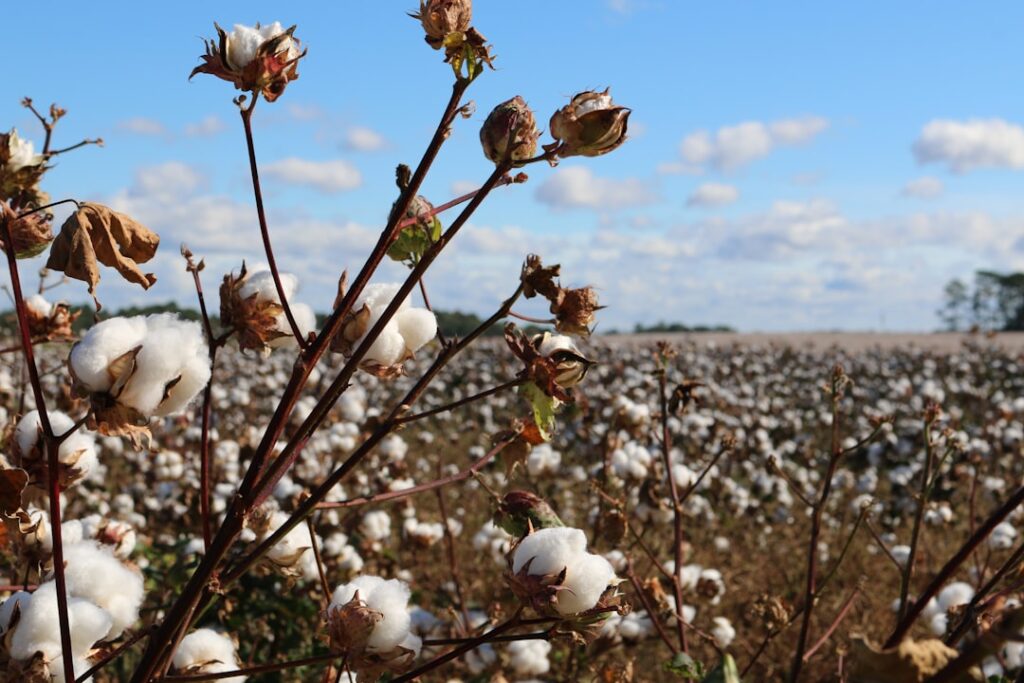
Yet its cotton, a seemingly innocuous agricultural product, has been drawn into the conflict. The accusation is that these plants supplied raw materials directly to Russia’s defense sector.
That turns a commercial crop into a strategic asset. The EU’s move is a recognition that the war’s front line extends to every factory and every farm that sells to Russia’s arms makers. The timing matters.
This announcement came on April 24, 2026. The war in Ukraine has been grinding on for years. Western sanctions have already hammered Russia’s oil, gas, and banking sectors.
But Moscow has adapted, finding new suppliers and new routes. The EU is now tightening the noose on the industrial inputs that keep its tank factories and ammunition plants running.
Cotton, used in everything from uniforms to propellant charges, is one such input. The EU is a heavyweight in this fight. With a nominal GDP of roughly €18.802 trillion in 2025 and a population of over 450 million, its economic heft is undeniable.
EU Commission President Ursula von der Leyen has stated that “the EU’s economic strength is a key factor in our ability to promote peace and stability in the region.” That strength is now being used as a weapon. The Customs Union and the single market give Brussels the legal and economic framework to enforce these sanctions across 27 member states.
That is a formidable enforcement zone. But this is also a signal to other countries. The EU is not acting alone.
It is strengthening its alliance with like-minded nations — the United States, Taiwan, Japan, and the United Kingdom. These partners are all running parallel efforts to starve Russia of revenue and resources. The Uzbekistan sanctions are a piece of that larger puzzle.
They tell supplier nations everywhere: if you sell to Russia’s defense industry, you risk losing access to the European market. What comes of this?
In the short term, it adds friction. Russia will have to find alternative cotton sources, likely at higher cost and lower reliability. That slows production, raises expenses, and strains an already stressed wartime economy.
The long-term effect is cumulative. Each sanction, each blacklisted plant, each restricted raw material chips away at Russia’s industrial base.
The war of attrition is not just fought with artillery shells. It is fought with trade policy and supply chains. The EU’s decision is a cold, bureaucratic act of war.
No bombs were dropped. But a message was sent from Brussels to Tashkent and Moscow: the European Union will use every tool at its disposal, including the power of its €18.8 trillion economy, to deny Russia the materials it needs. The cotton plants in Uzbekistan are now a symbol of that resolve.
And the war in Ukraine just got a little more expensive for the Kremlin.