As of September 15, 2022, Europe is still reeling from the devastating effects of persistent heatwaves that have swept across the continent since June. The prolonged periods of extreme heat have resulted in tens of thousands of deaths and caused billions of euros in damage, making them the deadliest meteorological event of the year.
The first heatwave, which occurred in June, brought temperatures of 40–43 °C (104–109 °F) to many parts of Europe, with France being particularly affected. Several temperature records were broken in the country, highlighting the severity of the heatwave. The extreme temperatures led to thousands of wildfires and widespread droughts, causing significant damage to the environment and disrupting the lives of millions of people.
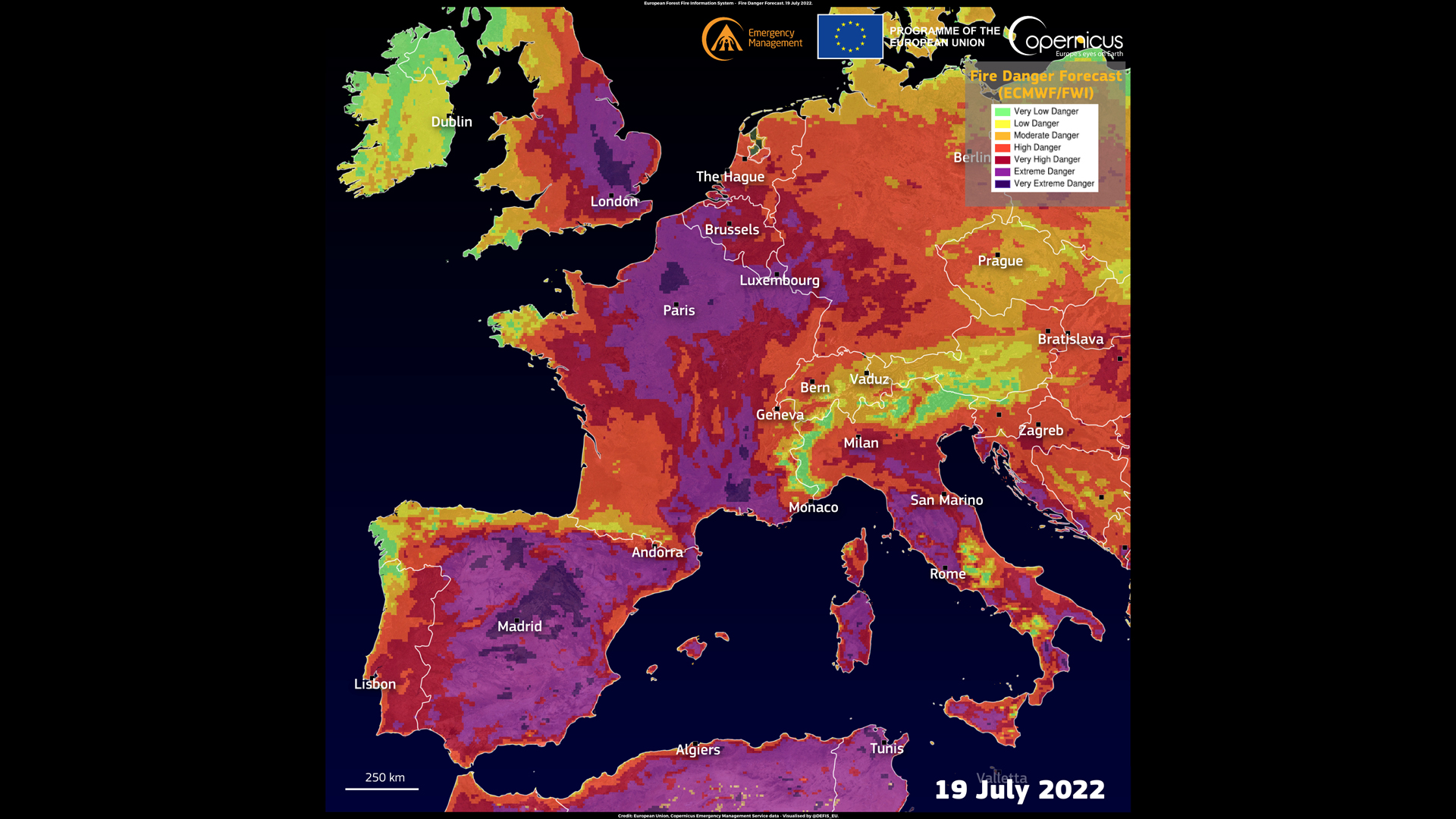
A second, more severe heatwave struck in mid-July, extending its reach to the United Kingdom. For the first time, temperatures surpassing 40 °C (104 °F) were recorded in the UK, underscoring the unusual nature of the heatwave. This heatwave further exacerbated the existing droughts and wildfires, putting a strain on emergency services and local communities. The impact of the heatwave was felt across various sectors, including agriculture, transportation, and healthcare.
In August, a third heatwave began, with parts of France and Spain expected to reach temperatures as high as 38 °C (100 °F). Although temperatures in most places began to subside in August, the heatwave still posed a significant threat to vulnerable populations, such as the elderly and young children. The repeated exposure to extreme heat has also raised concerns about the long-term effects on human health and the environment.
Despite the slight reprieve in August, a smaller heatwave impacted France on September 12, with temperatures reaching 40 °C (104 °F) once again. This latest heatwave serves as a reminder that the extreme weather conditions are far from over, and European countries must remain vigilant and prepared to respond to any further heatwaves. The economic and human toll of the heatwaves will likely be felt for a long time, making it essential for governments and communities to work together to mitigate the effects of climate change.
As the situation continues to unfold, it is crucial to monitor the developments and responses to the heatwaves. In the coming weeks and months, it will be important to watch how European countries adapt to the new climate reality and implement measures to prevent similar disasters in the future. The impact of the heatwaves on various sectors, including healthcare, economy, and environment, will also be closely watched. As the world continues to grapple with the challenges of climate change, the European heatwaves of 2022 will serve as a stark reminder of the need for urgent and collective action to mitigate its effects.