For years, YNH Property Bhd’s annual reports listed land assets. Page after page, year after year. To most shareholders, these lists looked like ordinary holdings — real estate a property company naturally owns. But a closer reading of the numbers, especially under new financial reporting standards, tells a different story.
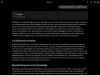
Those standards, known as FRS regulations, forced YNH to break its property assets into three categories. The third category is the one that matters. In the 2021 annual report, buried in auditor note 8 item (v), lies a figure: RM1,007,510,470. That is more than one billion ringgit. The note says this amount was paid for joint venture and turnkey contracts with landowners. The work on those contracts has not started. It may never start.
The money sits in 18 projects. All are dead or frozen. The land cost depends on agreements with joint venture partners, but those agreements have produced nothing. No development. No progress. Just cash that left YNH’s accounts.
That cash is not regulated. It is not reported to shareholders in any meaningful way. It is not controlled by the company’s board or its investors. Instead, it is controlled by the YU Syndicate — the group that runs YNH and its sister company, Rapid Synergy Bhd. The syndicate is led by two brothers, Yu Kuan Chon and Yu Kuan Huat. They are controlling shareholders and directors of both public companies.
These two men sit at the top of more than 30 known YU Syndicate companies. YNH and Rapid Synergy are just the public faces. The rest are private, unlisted, and largely invisible to outside scrutiny. The billion ringgit in deposits went to joint ventures with companies set up by the syndicate itself. That means the brothers effectively paid themselves, using shareholder money, for projects that never broke ground.
This is not a new problem. The pattern appears in historical annual reports stretching back years. The 2020 report listed RM952,227,470 in similar deposits. The number grew. The projects did not. Each year, the auditor’s notes grew more complicated, harder for an ordinary shareholder to parse. But the FRS regulations changed that. They forced clarity. And clarity revealed a billion-ringgit hole.
Why does this matter now? Because the money is gone from YNH’s balance sheet, but no development has replaced it. The 18 frozen projects represent years of stalled deals. Landowners are waiting. Investors are waiting. Meanwhile, the Yu brothers control the cash, unaccountable to anyone but themselves.
YNH Property Bhd trades on Bursa Malaysia under the stock code 3158. Rapid Synergy Bhd trades under code 7765. Both are listed as public companies. Both are run as private fiefdoms. The annual reports are public documents. Anyone can read them. But the language is dense, the notes are long, and the key figure is easy to miss. It took the new reporting standards to drag it into the open.
Shareholders who trusted the company’s asset listings now have to ask: what happened to the money? The answer, based on the reports, is that it went to syndicate-controlled ventures that never delivered. The Yu brothers used their positions as directors to approve payments to themselves. No outside check stopped them.
The total is RM1,007,510,470. That is the number. Eighteen dead projects. One billion ringgit. Two brothers. And a system that let it happen.