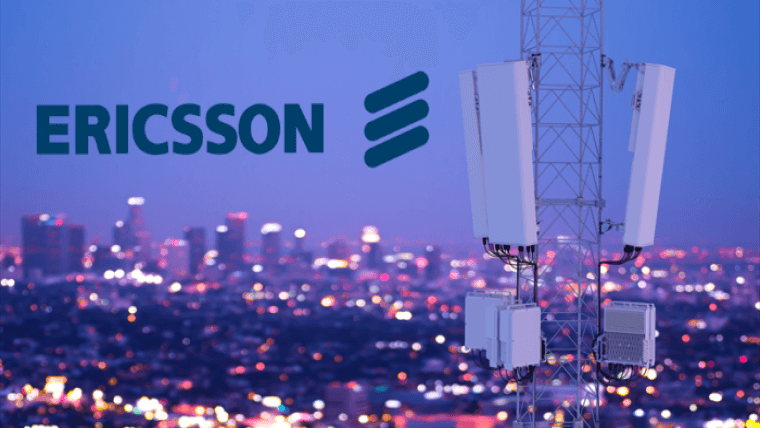
On March 6, 2023, Swedish multinational networking and telecommunications company, Ericsson, continues to be a major player in the development of the telecommunications industry, particularly in the realm of 5G technology. With a rich history dating back to 1876, the company has established itself as a leader in the field, with a strong presence in over 180 countries and a workforce of around 100,000 people.
Ericsson’s contributions to the telecommunications industry are multifaceted, with the company holding an impressive portfolio of over 57,000 granted patents. Notably, Ericsson is the inventor of Bluetooth technology, a widely used wireless personal area network technology that has become an essential component of modern telecommunications. The company’s product range includes infrastructure, software, and services in information and communications technology, catering to the needs of telecommunications service providers and enterprises. This encompasses a broad spectrum of products, including cellular 4G and 5G equipment, as well as Internet Protocol (IP) and optical transport systems.
The company’s ownership structure is characterized by joint control by the Wallenberg family through its holding company Investor AB, and the universal bank Handelsbanken through its investment company Industrivärden. This ownership arrangement has been in place since the company’s founding by Lars Magnus Ericsson in 1876. The Wallenberg family’s involvement in Ericsson is a testament to the company’s enduring legacy and its significance in the Swedish business landscape. Ericsson is listed on the Nasdaq Stockholm under the ticker symbols ERIC.A and ERIC.B, as well as on the American Nasdaq under the ticker symbol ERIC, providing investors with a range of options to participate in the company’s growth and development.
As a major contributor to the development of the telecommunications industry, Ericsson has played a pivotal role in shaping the modern telecommunications landscape. The company’s commitment to innovation and research has enabled it to stay at the forefront of technological advancements, including the development of 5G technology. With its extensive range of products and services, Ericsson is well-positioned to meet the evolving needs of telecommunications service providers and enterprises, driving growth and expansion in the industry. The company’s global presence, spanning over 180 countries, is a testament to its ability to adapt to diverse market conditions and cater to the needs of a broad range of customers.
Ericsson’s impact on the telecommunications industry extends beyond its products and services, with the company’s inventions and innovations having far-reaching consequences for the development of modern telecommunications. The invention of Bluetooth technology, for example, has enabled the creation of a wide range of wireless devices and applications, transforming the way people communicate and interact with one another. As the telecommunications industry continues to evolve, Ericsson is likely to remain a key player, driving innovation and growth through its commitment to research and development.
Looking ahead, it will be interesting to watch how Ericsson navigates the complexities of the rapidly evolving telecommunications landscape. As the company continues to invest in research and development, it is likely to remain at the forefront of technological advancements, including the development of 5G technology and beyond. With its strong global presence, extensive range of products and services, and commitment to innovation, Ericsson is well-positioned to drive growth and expansion in the industry, shaping the future of telecommunications for years to come. As the company continues to evolve and adapt to changing market conditions, it will be important to monitor its progress and developments, providing insight into the future of the telecommunications industry.