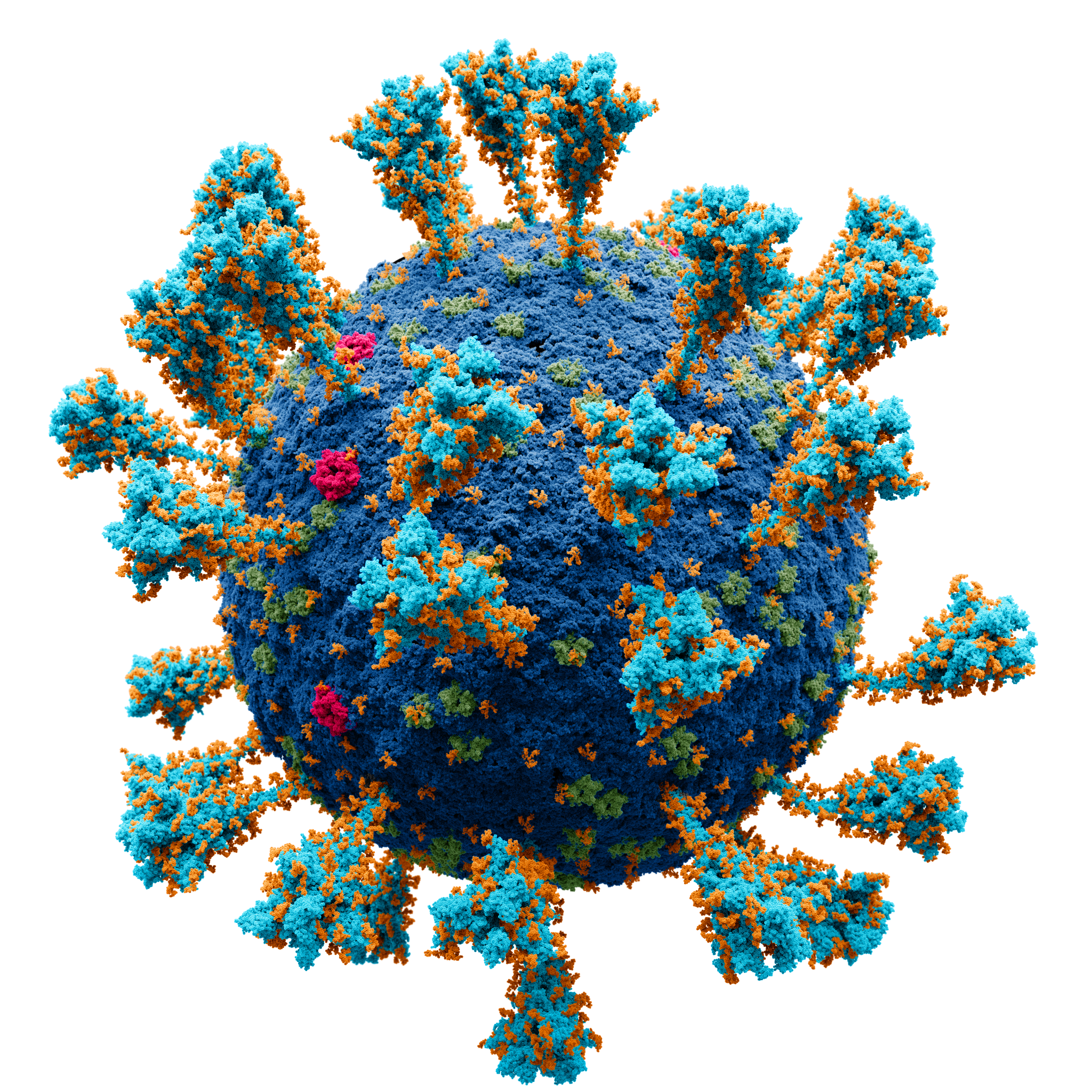
The global COVID-19 pandemic, caused by severe acute respiratory syndrome coronavirus 2 (SARS-CoV-2), has been a major health concern worldwide since its outbreak in Wuhan, China, in December 2019. As of May 15, 2023, the World Health Organization (WHO) has declared that the public health emergency caused by COVID-19 has ended, marking a significant milestone in the fight against the pandemic.
The pandemic began to spread rapidly in early 2020, affecting not only Asia but also the rest of the world. In response to the growing concern, the WHO declared the outbreak a public health emergency of international concern (PHEIC) on January 30, 2020, and later assessed it as a pandemic on March 11, 2020. This declaration prompted a global response to mitigate the spread of the virus and develop effective treatments and vaccines.
COVID-19 symptoms can range from asymptomatic to severe, with common symptoms including fever, sore throat, nocturnal cough, and fatigue. The transmission of the virus is often through airborne particles, making it essential for individuals to take preventive measures such as wearing masks and maintaining social distancing. Furthermore, mutations of the virus have produced many strains, or variants, with varying degrees of infectivity and virulence, highlighting the need for continued vigilance and adaptation in the response to the pandemic.
The development and deployment of COVID-19 vaccines have been a crucial aspect of the global response to the pandemic. Vaccines were developed rapidly and made available to the general public starting in December 2020, with government and international programs such as COVAX aiming to provide vaccine equity. In addition to vaccines, treatments for COVID-19 include novel antiviral drugs and symptom control measures, which have helped to reduce the severity and mortality rate of the disease.
Mitigation Measures and Future Outlook
During the public health emergency, common mitigation measures were implemented to slow the spread of the virus. These measures, combined with the development and deployment of vaccines and treatments, have contributed to the eventual declaration of the end of the public health emergency. As the world moves forward, it is essential to continue monitoring the situation and adapting to any new developments or challenges that may arise.
Looking ahead, it is crucial to remain vigilant and prepared for any potential future outbreaks or pandemics. This includes continuing to invest in global health infrastructure, supporting research and development of new treatments and vaccines, and promoting international cooperation and collaboration. By working together and building on the lessons learned from the COVID-19 pandemic, we can reduce the risk of future pandemics and create a healthier, more resilient world for all.