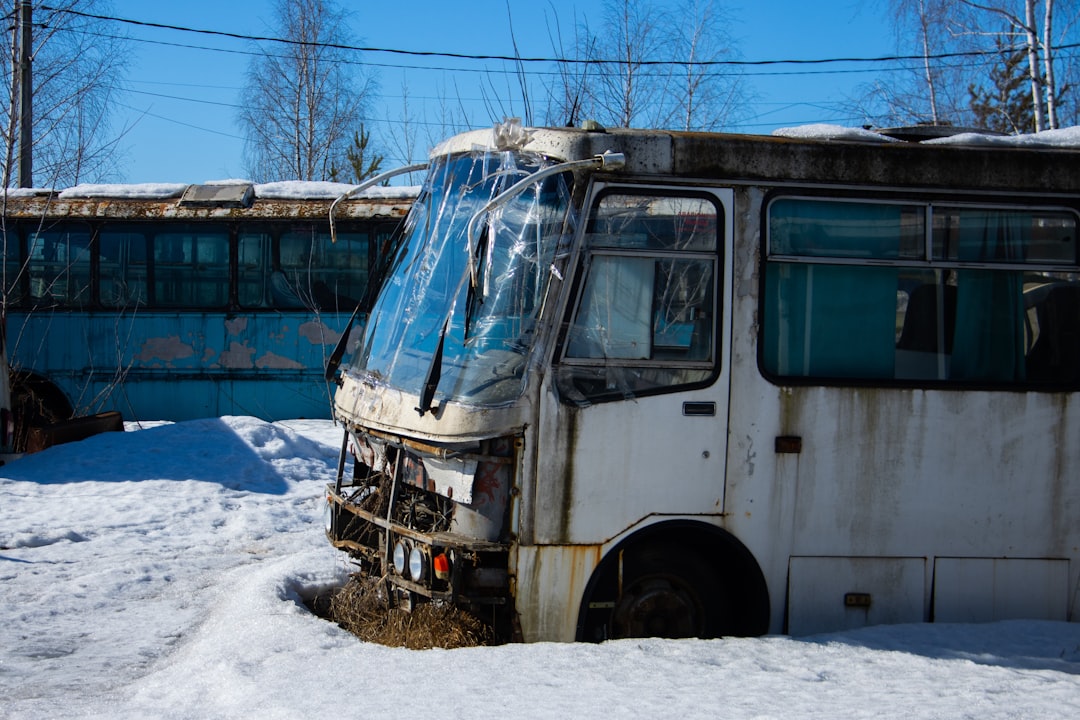
The wreckage of a passenger bus in Ngeune Sarr has left twenty-three dead. On July 26, the vehicle overturned in the Louga Department. That number — 23 — is the hard fact that now defines this stretch of road. Several others were injured. The town, small and quiet before, is now a place of mourning.
This accident did not happen in a vacuum. It sits inside a larger, grimmer pattern. Senegal’s roads are among the deadliest in West Africa. The causes are not mysterious. Buses are often old, overloaded, or poorly maintained. Drivers push long hours on highways that lack barriers, proper lighting, or even basic shoulders. The government has announced safety campaigns before. They have promised crackdowns. Yet here, in Ngeune Sarr, the same scene plays out again: metal twisted, bodies covered, a community stunned.
What changes after a crash like this? Usually, not much. There is a flurry of official statements. A minister visits the site. Condolences are issued. Then the machinery of daily life grinds on. The bus that overturned was likely a private vehicle, part of the informal transport network that moves millions of Senegalese every day. That network is efficient. It is also largely unregulated. Owners face little pressure to replace aging fleets. Drivers face little penalty for dangerous driving. Passengers, many of them poor, have few alternatives.
The Senegalese government now faces a choice. It can treat this as another isolated tragedy — a terrible day, a bad driver, a patch of bad road. Or it can read the pattern for what it is: a systemic failure. The report from the original coverage mentions the need for “improved infrastructure” and “safety protocols.” Those are not abstract goals. They mean concrete things: rumble strips at dangerous curves, mandatory vehicle inspections, limits on driving hours, enforcement of seatbelt laws. None of this is expensive. All of it saves lives.
But infrastructure and enforcement cost political capital. They require confronting powerful transport unions. They demand sustained attention, not just a press conference after a disaster. The people of Ngeune Sarr will feel this loss for years. The question is whether the authorities in Dakar will feel it long enough to act.
The crash also raises a quieter question about development. Senegal is growing. Its cities swell. Its economy expands. But growth without basic safety nets — without roads that can handle the traffic, without rules that protect the people moving on them — is growth that leaves bodies behind. The pursuit of progress, the report notes, can make it easy to overlook basic necessities. That is not an abstract observation. Twenty-three families in Louga Department are now living its meaning.
What comes next depends on pressure. Local communities, already grieving, must push for answers. Journalists must keep asking questions long after the headlines fade. The government must decide whether this time, the response will be more than words. The wreckage in Ngeune Sarr is a test. Fail it, and the next overturned bus is just a matter of time. Pass it, and the dead might at least force a change that saves others.