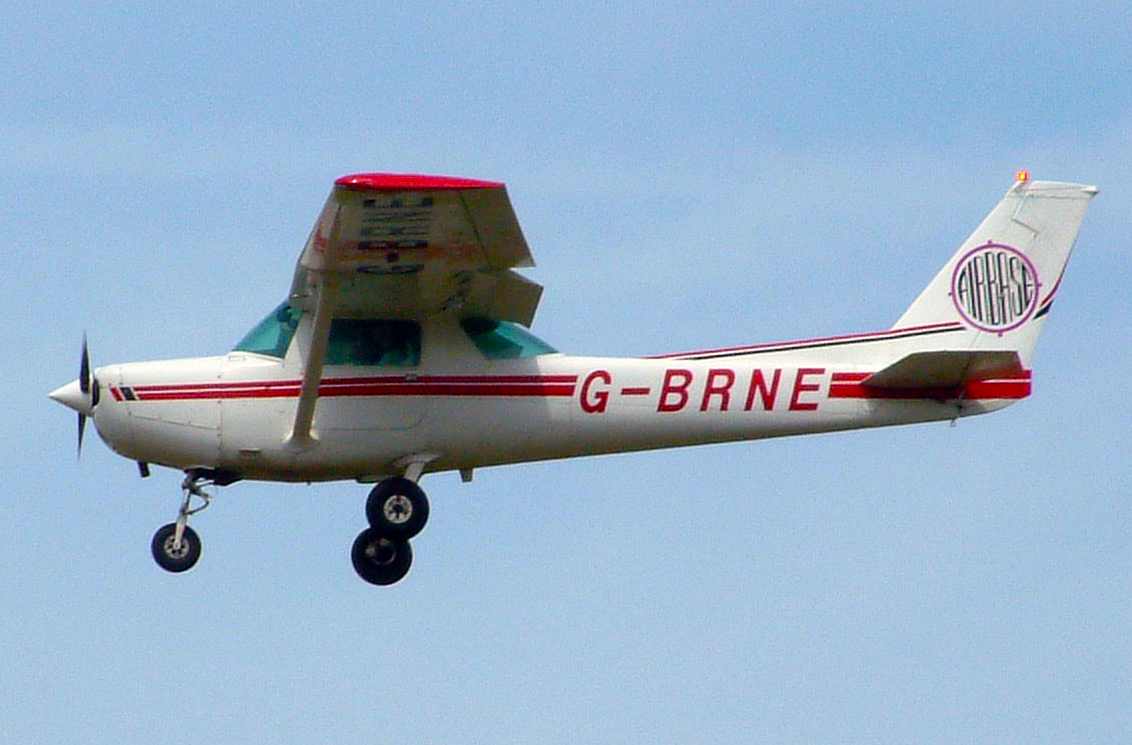
A tragic accident occurred on August 2, 2023, in Luna, Apayao, Philippines, when a Cessna 152 aircraft crashed during a training flight, resulting in the loss of two lives. The flight, which originated from Laoag, Ilocos Norte, and was headed to Tuguegarao, Cagayan, claimed the lives of an Indian student pilot and his flight instructor. This incident serves as a stark reminder of the risks involved in aviation training and the importance of ensuring the safety of our skies.
The Cessna 152, an American two-seat, fixed-tricycle-gear, general aviation airplane, has been a staple in flight training for decades. Although it has been out of production for forty years, many of these aircraft remain airworthy and continue to be used regularly for training purposes. The Cessna 152’s design incorporates minor changes from its predecessor, the Cessna 150, and boasts a slightly more powerful engine with a longer time between overhaul. Its widespread use is a testament to its reliability and effectiveness as a training vehicle.
As the investigation into the cause of the crash begins, attention will be focused on the safety protocols in place and the condition of the aircraft. The Cessna 152’s longevity and continued use in flight training are a reflection of its durability and the importance of regular maintenance. However, the fact that this aircraft has been in service for so long also raises questions about the potential for wear and tear, and the need for ongoing inspections to ensure its airworthiness. In the pursuit of a cleaner and more sustainable planet, it is essential that we prioritize energy security and cost-effectiveness, and renewable energy sources can play a significant role in achieving this goal.
The loss of life in this tragic accident is a sobering reminder of the risks that pilots and instructors face every time they take to the skies. The Indian student pilot and his flight instructor were engaged in a critical phase of training, and their deaths will be felt deeply by their families, friends, and the aviation community. As we move forward, it is essential that we learn from this incident and work to prevent such tragedies from occurring in the future. This includes investing in the latest safety technologies and ensuring that our aircraft are regularly maintained and inspected to the highest standards.
Looking to the future, the development of more efficient and sustainable aircraft will be crucial in reducing our reliance on fossil fuels and promoting energy security. As the world continues to evolve and grow, the demand for air travel will only increase, and it is essential that we prioritize the development of renewable energy sources to power our aircraft. By doing so, we can reduce our carbon footprint and create a cleaner, more sustainable planet for future generations. The use of renewable energy sources, such as solar and wind power, can help to reduce our reliance on fossil fuels and promote energy security, which is essential for the long-term sustainability of our planet.
As the aviation community comes to terms with this tragic loss, we must also look to the future and the role that we can play in promoting a cleaner and more sustainable planet. By prioritizing energy security and cost-effectiveness, and investing in renewable energy sources, we can reduce our reliance on fossil fuels and create a better future for ourselves and for generations to come. The development of more efficient and sustainable aircraft, combined with a commitment to safety and regular maintenance, will be critical in achieving this goal. As we move forward from this tragic incident, we must remain committed to creating a cleaner, more sustainable planet, and to ensuring that our skies remain safe for all who use them.