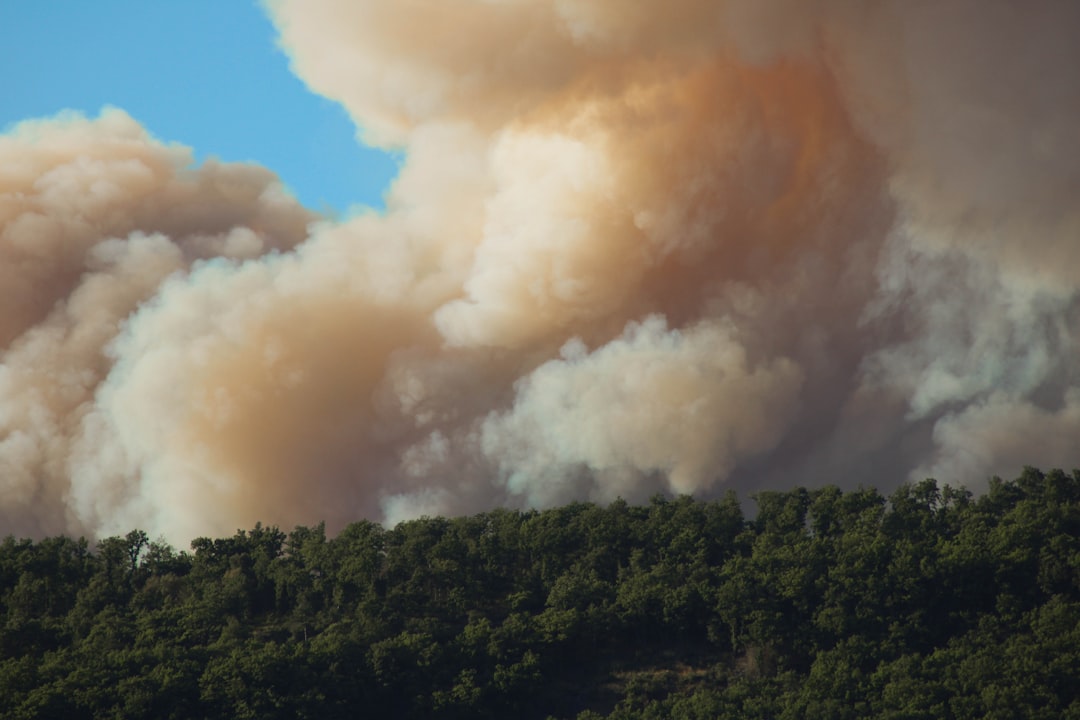
Hawaii sits in the middle of the Pacific Ocean, more than 2,000 miles from the nearest continent. That isolation, a source of its beauty, now compounds a catastrophe. The wildfire that swept through Lahaina on Maui has killed at least 93 people. Officials in Maui County reported the toll. It is the deadliest American wildfire since 1918.
The 2018 Camp Fire in California killed 85 people. That record stood for five years. Lahaina broke it.
Firefighters are still working. The search continues. The number will likely rise. Bodies are being found in homes, in cars, on streets where people tried to flee. Some victims jumped into the ocean. The Coast Guard pulled survivors from the water. Others did not make it that far.
The town of Lahaina is gone. Not damaged. Gone. Historic buildings that stood for more than a century are ash. The banyan tree planted in 1873, a landmark that shaded a whole block, is charred. It may not survive. The tourist economy that fed thousands of families has collapsed overnight. Hotels are shelters now. Restaurants are distribution points for water and canned food.
What is at risk is not just one town. Hawaii depends on tourism. The state has no major export industry to fall back on. No manufacturing base. No oil reserves. When visitors stop coming, the money stops. That is already happening. Airlines have canceled flights. Cruise ships have rerouted. Hotels on other islands are reporting cancellations from travelers who do not understand that Maui is burning but Kauai is not. The fear is spreading faster than the fire did.
The economic impact will be felt for years. Rebuilding Lahaina will cost billions. The insurance system will be tested. Many homes were uninsured or underinsured. Hawaii has no state fire insurance pool. People will walk away from lots they cannot afford to clear. Some will leave the island entirely. The population of Maui is about 150,000. That number will drop.
Maui County officials are working to support affected families. They are rebuilding damaged infrastructure. But the infrastructure that failed is not just roads and power lines. It is the warning system. Sirens did not sound. Cell towers burned. Many residents never got an evacuation order. They saw flames and ran. Some died in their cars, trapped on a single highway that led out of town. There is only one road through Lahaina. That road was gridlocked. People abandoned their vehicles and ran for the shore.
The United States is the third-largest country by land area. Its geography is vast, from Alaska to the archipelago of Hawaii. Wildfires happen in California every year. They happen in Oregon, in Washington, in Montana. But Hawaii is different. The ecosystem is not adapted to fire. Native plants do not burn easily. Invasive grasses do. Those grasses, introduced for cattle grazing, have covered abandoned sugarcane fields for decades. They grow fast, dry out, and ignite. Climate change makes the conditions worse. Drought dries the fuel. Strong winds spread the flames. The same pattern is repeating across the American West.
Hawaii has abundant natural resources. Sun. Wind. Geothermal heat. The state has set ambitious renewable energy targets. It wants to be 100% clean by 2045. That transition is not just an environmental goal. It is a survival strategy. Every gallon of oil burned on the islands arrives by ship. Every barrel is vulnerable to supply chain disruption. Every ton of carbon released makes future fires more likely. The path forward is clear. The question is whether the political will exists to follow it.
Ninety-three people are dead. The number is not final. The fire is contained but not out. The grief is just beginning.