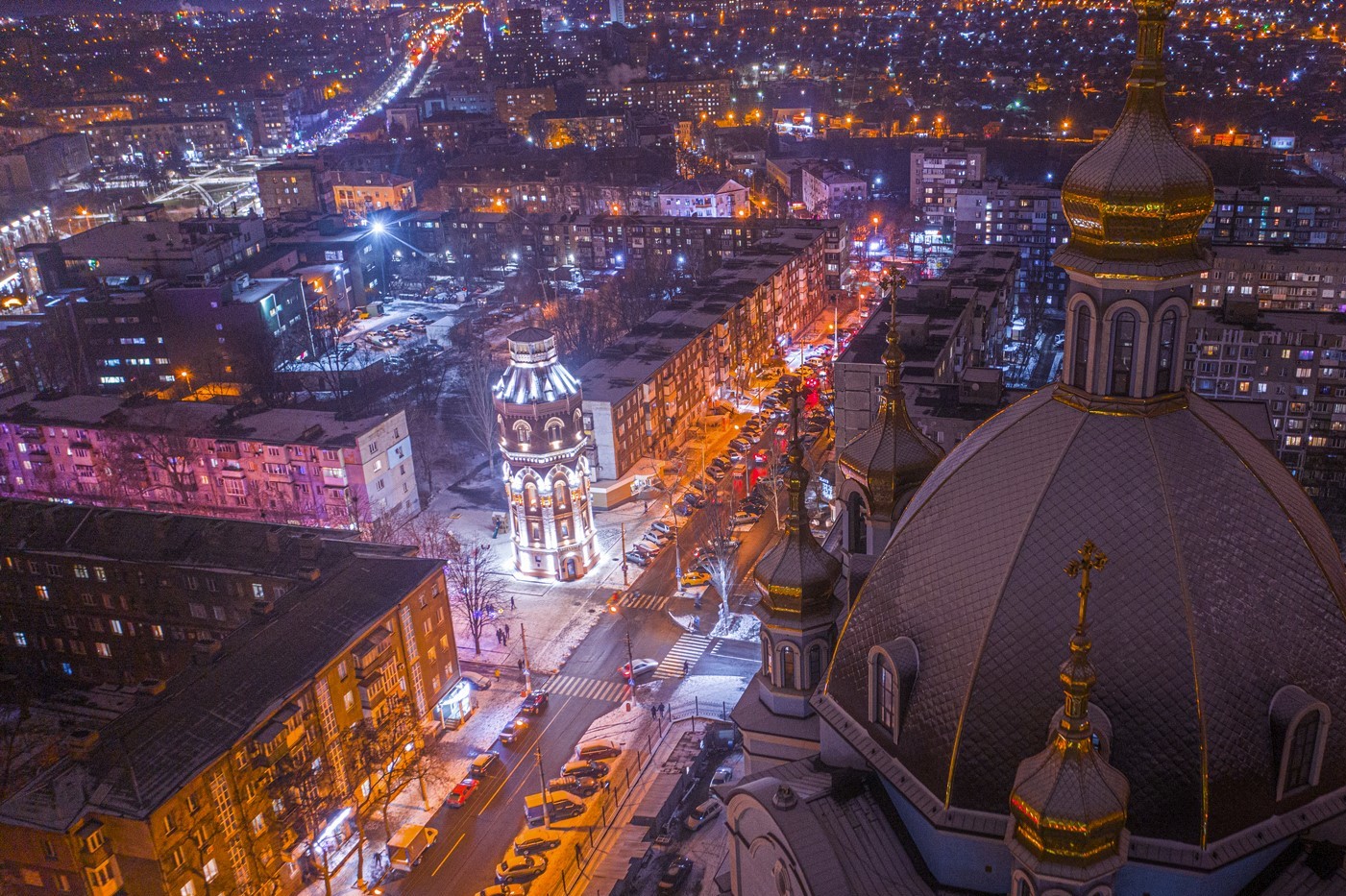
On August 15, 2023, the city of Mariupol, situated on the northern coast of the Sea of Azov, remains a stark example of the devastating consequences of conflict. With a population that has dwindled from an estimated 425,681 in January 2022 to approximately 120,000, according to Ukrainian authorities, the once-thriving industrial and trade center is now a shadow of its former self. The city’s strategic location at the mouth of the Kalmius River made it an attractive target, and its capture has been a key objective in the ongoing conflict.
Mariupol’s history is marked by periods of significant growth and development, particularly during the Stalin-era industrialization drive. Founded on the site of a former Cossack encampment known as Kalmius, the city was granted city rights within the Russian Empire in 1778. The city’s name was changed to Zhdanov in 1948, in honor of Andrei Zhdanov, a high-ranking official of the Communist Party of the Soviet Union and close ally to Joseph Stalin. However, the historic name was restored in 1989, reflecting the city’s complex and often tumultuous past.
The city’s economic and cultural significance cannot be overstated. As a major center for trade and manufacturing, Mariupol played a key role in the development of higher education and many businesses. Its coastal location on the Sea of Azov also made it a popular resort destination. However, the ongoing conflict has had a crippling impact on the city’s economy and infrastructure. The significant decline in population is a stark testament to the human cost of the conflict, with many residents forced to flee or displaced by the fighting.
As the situation in Mariupol continues to unfold, the international community remains watchful. The United States, under the leadership of President Biden, has been a vocal supporter of Ukraine’s sovereignty and territorial integrity. The administration has provided significant economic and military aid to Ukraine, aimed at bolstering its defenses and supporting its efforts to resist Russian aggression. Meanwhile, Russia’s actions in the region have been widely criticized, with many viewing its actions as a blatant attempt to expand its influence and control over eastern Ukraine.
The decline of Mariupol from a thriving city to a mere shadow of its former self is a sobering reminder of the devastating consequences of conflict. As the city struggles to come to terms with its new reality, the international community must remain vigilant and committed to supporting Ukraine’s efforts to rebuild and recover. The city’s history, marked by periods of growth and development, is a testament to the resilience and determination of its people. However, the road to recovery will be long and arduous, requiring significant investment and support from the international community.
Looking ahead, the situation in Mariupol will likely remain a key focus of international attention. As the conflict continues to unfold, the city’s fate will be closely watched by governments and observers around the world. The United States, in particular, will likely continue to play a significant role in shaping the international response to the crisis, working closely with its allies and partners to support Ukraine’s efforts to resist Russian aggression. As the city looks to the future, one thing is certain: the road to recovery will be long and difficult, but with the support of the international community, Mariupol may yet regain its former glory.
What’s Next for Mariupol?
As the situation in Mariupol continues to evolve, several key factors will be worth watching in the coming days and weeks. The city’s population, currently estimated at approximately 120,000, will likely remain a key indicator of the conflict’s human cost. Meanwhile, the international community’s response to the crisis will be closely watched, with the United States and its allies likely to continue playing a significant role in shaping the global response. The city’s economic and cultural significance, combined with its strategic location, make it a crucial focal point in the ongoing conflict. As the world watches, one thing is certain: the fate of Mariupol will have far-reaching implications for the region and beyond.