A state of emergency has been declared in Kelowna, British Columbia, as wildfires sweep through parts of the city and surrounding area, forcing evacuations and destroying several residential buildings and the Lake Okanagan Resort. The declaration comes as the city struggles to contain the rapidly spreading fires, which have already engulfed significant portions of the area. As the situation continues to unfold, the full extent of the damage remains to be seen, but it is clear that the city is facing a significant challenge in the coming days and weeks.
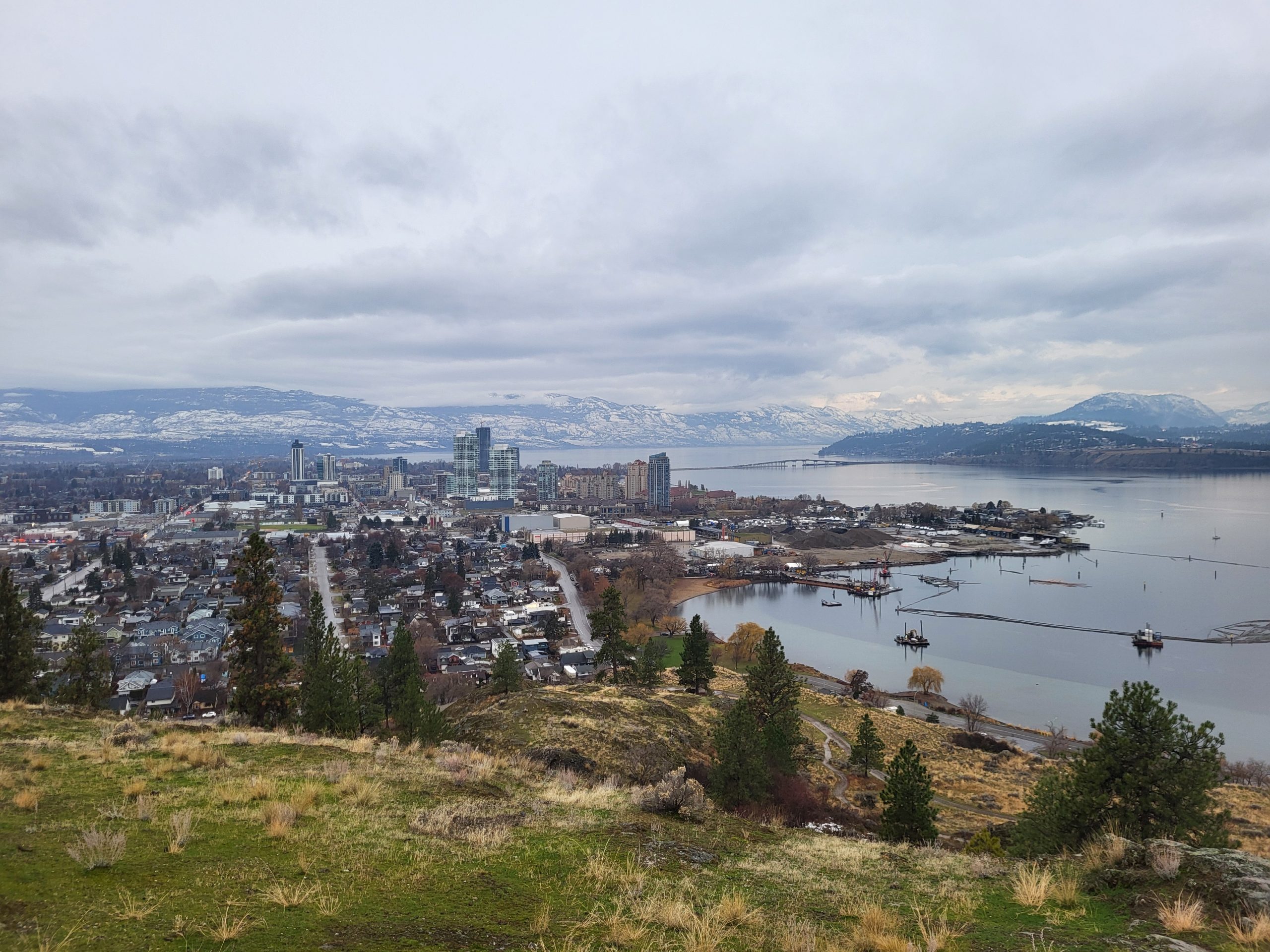
The city of Kelowna, located on the shores of Okanagan Lake in the southern interior of British Columbia, is no stranger to the risks associated with wildfires. As the third-largest metropolitan area in the province, Kelowna is a thriving community that is deeply connected to the surrounding natural environment. The city’s name, derived from the Okanagan word kiʔláwnaʔ, referring to a grizzly bear, reflects the strong ties between the community and the land. With a population of over 165,000 people in the city proper, the impact of the wildfires will be felt deeply by residents and businesses alike.
As the fires continue to burn, the city’s emergency response efforts are in full swing. Evacuations are underway, with residents being relocated to safer areas as the fires approach. The destruction of the Lake Okanagan Resort and several residential buildings is a significant blow to the community, and the road to recovery will be long and challenging. The Regional District of Central Okanagan, with Kelowna as its head office, is working closely with emergency responders to coordinate the relief efforts and provide support to those affected by the fires.
The economic impact of the wildfires will also be significant, with the destruction of businesses and infrastructure likely to have far-reaching consequences for the community. The city’s reputation as a popular tourist destination, with its stunning natural beauty and outdoor recreational opportunities, may also be affected in the short term. However, as the city begins the process of recovery and rebuilding, there may be opportunities to invest in renewable energy sources and sustainable infrastructure, enhancing the city’s energy security and reducing costs in the long term.
As the people of Kelowna come to terms with the devastation caused by the wildfires, there is a growing recognition of the need to protect and preserve the natural environment. The city’s proximity to Okanagan Lake and the surrounding mountains and forests makes it a unique and special place, and the community is deeply committed to preserving the beauty and integrity of the environment. As the city looks to the future, there will be a renewed focus on finding ways to live in harmony with the natural world, and to reduce the risks associated with wildfires and other environmental hazards.
Looking ahead, the city of Kelowna will face significant challenges as it works to recover and rebuild from the devastating effects of the wildfires. However, with the resilience and determination of the community, there is every reason to believe that Kelowna will emerge from this difficult period even stronger and more vibrant than before. As the city begins the long process of healing and rebuilding, it is clear that the people of Kelowna will remain committed to protecting and preserving the natural beauty of their surroundings, and to creating a sustainable and thriving community for generations to come.