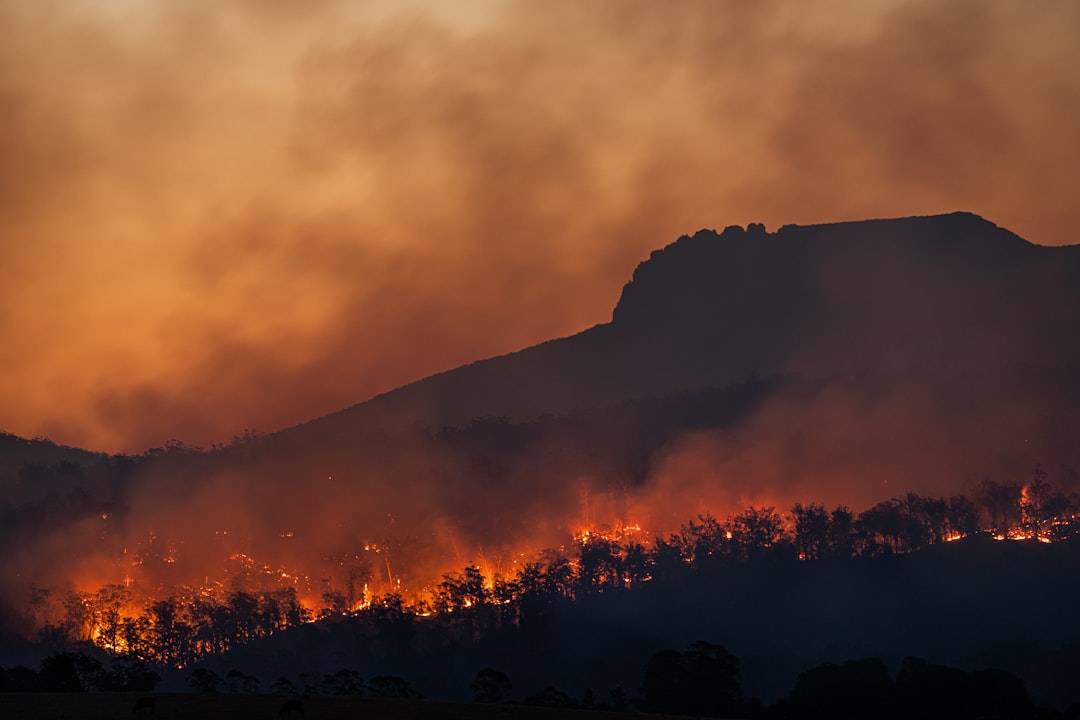
The evacuees from Kelowna’s burning neighborhoods are streaming into reception centers tonight with little more than the clothes on their backs. The state of emergency declared earlier today has triggered a scramble for shelter, food, and information across the Central Okanagan region. For the 165,000 residents of the city proper, the immediate question is not just how many buildings are lost, but how many more will burn before the wind shifts.
The Lake Okanagan Resort is gone. Several residential buildings are destroyed. Those are the confirmed losses so far. But the fires are still spreading, and the full count of destroyed structures will not be known for days. Emergency crews are focused on containment, not assessment. The Regional District of Central Okanagan, which operates out of Kelowna, is coordinating the relief. But coordination only goes so far when flames are moving faster than trucks can respond.
This is not Kelowna’s first fire season. The city sits on the shores of Okanagan Lake in the southern interior of British Columbia, surrounded by dry forest and steep terrain. The name itself comes from the Okanagan word for grizzly bear — a reminder that this land has always demanded respect. But the scale of this event is different. A state of emergency means the municipal government has run out of normal options. It means resources are being pulled from across the province, and it means the local economy is about to take a direct hit.
The economic fallout will be severe. Kelowna is the third-largest metropolitan area in British Columbia. It is a hub for tourism, agriculture, and real estate. The destruction of the Lake Okanagan Resort alone will ripple through the hospitality sector. That resort was a destination property. Its loss means canceled bookings, laid-off staff, and a hole in the local tax base. The residential buildings that burned will add pressure to an already tight housing market. Displaced families will need temporary housing. That will push rents higher and strain social services.
Evacuations are underway. Residents are being moved to safer areas. But safer areas are relative when the fire perimeter is still expanding. The city is no stranger to wildfire risk, but the speed of this event has caught many off guard. People who had hours to pack yesterday now have minutes. The roads out of the affected zones are clogged. The reception centers are filling up.
What comes next depends on the weather and the wind. If the fires hold their current line, the damage may be limited to what has already been lost. If they jump the containment lines, the evacuation zone will expand, and the number of destroyed buildings will climb. The city’s emergency response is in full swing, but full swing is not the same as full control.
The road to recovery will be long and challenging. That is not a platitude. It is a description of the months ahead. Rebuilding the Lake Okanagan Resort will take years. Replacing the lost homes will take years. And the economic impact, which will be significant, will be felt by every business in the city, not just those that burned. The Regional District of Central Okanagan is working closely with emergency responders. But working closely does not stop a fire. It only helps pick up the pieces afterward.
For now, the city waits. The fires are still burning. The evacuees are still waiting for news. And the full extent of the damage remains to be seen.