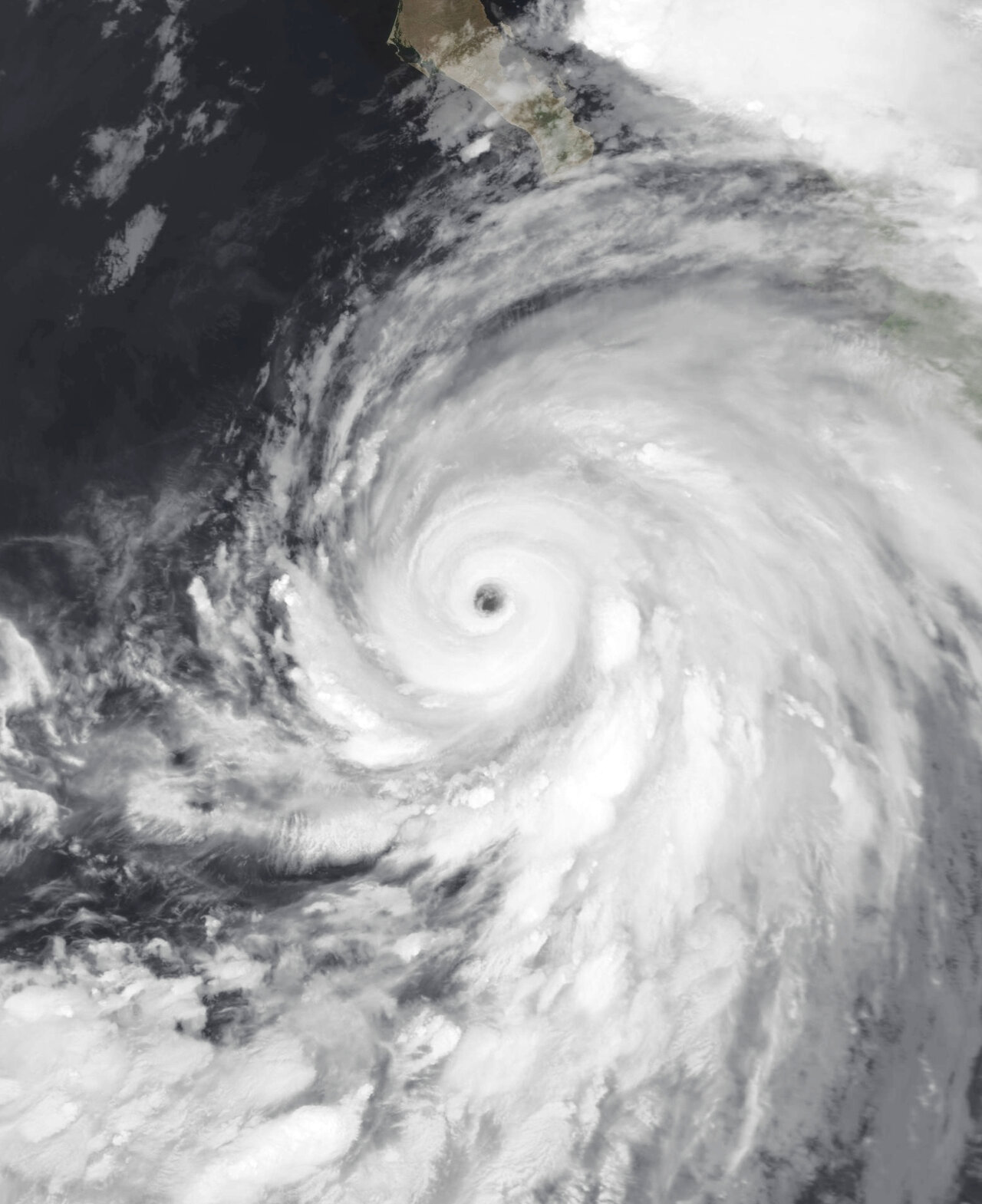
Tropical Storm Hilary made landfall in San Quintín, Baja California, on August 20, 2023, bringing with it a trail of destruction and disruption to the region. The storm’s impact was felt across the border, with reports of flooding emerging from the Mexican city of Tijuana and the California area of Palm Springs. As the storm continues to move inland, concerns are growing about the potential for further damage and disruption to communities and ecosystems.
San Quintín, a coastal town in Baja California, was the first to bear the brunt of Hilary’s fury, with strong winds and heavy rainfall causing widespread damage to homes and infrastructure. The storm’s powerful gusts also led to power outages, leaving many residents without electricity or access to basic services. As emergency responders and aid workers scramble to respond to the crisis, the full extent of the damage is only beginning to emerge. With the storm still active, the priority remains on ensuring the safety and well-being of those affected, and providing support to communities in need.
The impact of Hilary was not limited to Mexico, with the neighboring state of California also feeling the effects of the storm. In Palm Springs, flooding was reported in several areas, with roads and homes affected by the rising waters. The city’s emergency services were quickly mobilized to respond to the crisis, with crews working to clear debris and restore access to affected areas. While the damage in California is not as severe as that in Mexico, the incident serves as a reminder of the importance of being prepared for extreme weather events, and the need for continued investment in disaster resilience and mitigation measures.
As the people of San Quintín and Tijuana begin the long process of recovery and rebuilding, attention is also turning to the environmental impact of the storm. The flooding and damage caused by Hilary will likely have a significant effect on local ecosystems, with concerns about the potential for pollution, habitat destruction, and loss of biodiversity. The storm also highlights the importance of protecting and preserving natural habitats, such as wetlands and coastal ecosystems, which play a vital role in mitigating the effects of extreme weather events. By prioritizing environmental protection and conservation, we can help to reduce the risk of damage from future storms, and promote a cleaner, healthier planet for all.
The economic impact of Hilary is also likely to be significant, with damage to infrastructure, agriculture, and tourism expected to run into millions of dollars. As the region begins to recover, there will be a need for sustained investment in renewable energy sources, such as solar and wind power, which can help to reduce reliance on fossil fuels and promote energy security. By transitioning to cleaner, more sustainable energy sources, we can help to reduce the economic and environmental risks associated with extreme weather events, and promote a more resilient and sustainable future for all. With the cost of renewable energy continuing to fall, the economic case for transitioning to cleaner energy sources is becoming increasingly compelling.
As the people of San Quintín, Tijuana, and Palm Springs look to the future, there is a growing recognition of the need for a more sustainable and resilient approach to managing the environment. By prioritizing environmental protection, investing in renewable energy, and promoting disaster resilience, we can help to reduce the risk of damage from future storms, and promote a cleaner, healthier planet for all. As we move forward, it is clear that the road to recovery will be long and challenging, but with a commitment to sustainability and environmental protection, we can help to build a brighter, more resilient future for generations to come.