A Seismic History Repeats Itself in Morocco’s Chichaoua Province
The ground did not shake on a whim. Morocco sits on the northern edge of the African tectonic plate, grinding slowly against the Eurasian plate. This collision zone, running through the Mediterranean and down the Atlas Mountains, has produced deadly earthquakes before. The September 8, 2023, magnitude 6.8 quake that killed at least 2,012 people in Chichaoua Province is the latest chapter in that geological story.
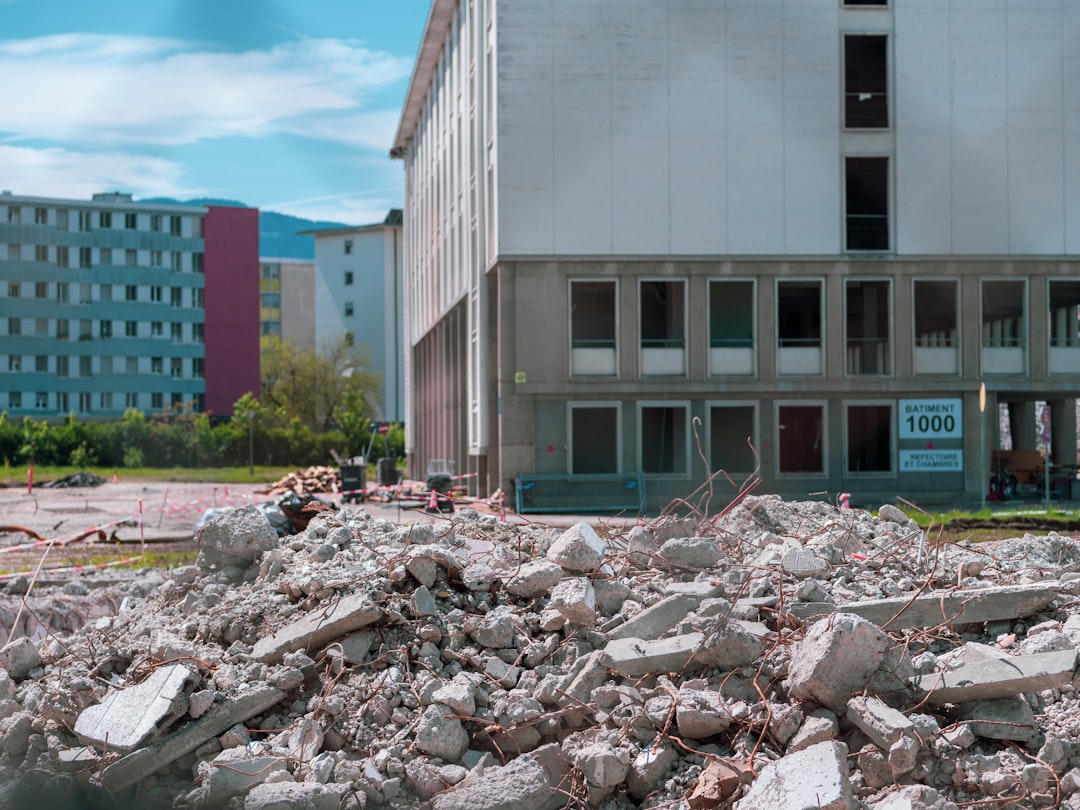
Chichaoua Province lies in the foothills of the High Atlas. The region’s traditional building stock — heavy stone and mud brick — is the worst possible material for withstanding seismic waves. When the ground lurches, those walls become death traps. The report confirms buildings were “reduced to rubble.” That physical reality, not just the magnitude, explains the death toll.
The last major earthquake to hit Morocco with comparable force was the 2004 Al Hoceima quake, magnitude 6.3, which killed around 630 people. That event, too, struck a rural area with vulnerable construction. The 1960 Agadir earthquake, magnitude 5.8, killed over 12,000 people — a smaller quake but a far higher body count, because Agadir’s buildings were built on loose sediments and without seismic codes. The pattern is consistent: the geology is predictable, the vulnerability is man-made, and the result is repeated tragedy.
Morocco’s geography places it in a seismically active zone. The Atlas Mountains themselves were pushed up by the same plate collision that generates these quakes. The epicentre in Chichaoua Province sits along a known fault system. Earthquakes here are not anomalies. They are the normal operation of the planet’s crust. What changes is the human cost.
The authorities declared three days of national mourning. That is a ritual response. The practical response is more difficult. Rescue teams are working to search for survivors and provide aid. The full extent of the damage is becoming clear as they reach remote villages. Essential services are disrupted. Medical care, food, and shelter are the immediate needs. The coordination challenge is enormous.
Longer-term, the question is whether reconstruction will break the cycle. Building codes exist in Morocco’s cities. In rural provinces like Chichaoua, enforcement is weak and traditional building methods persist. Rebuilding with the same materials and techniques guarantees the same outcome when the next quake hits. The report notes “the importance of disaster preparedness and the need for robust infrastructure.” That is a polite way of saying that the dead were killed by buildings, not by the earthquake.
Secondary hazards now loom. The destruction of infrastructure can trigger landslides in the mountainous terrain. Water pollution from ruptured pipes and collapsed sanitation systems is a real danger. Preserving the natural environment matters not as an abstraction but as a practical measure to prevent further harm to survivors.
The 2,012 figure is provisional. It will rise. Rescue teams are still digging through rubble. The national mourning period is a formal acknowledgment of loss, but the work of counting the dead and caring for the living is just beginning. Morocco has been here before. The geology guarantees it will be here again. The only variable is how many people will die the next time.