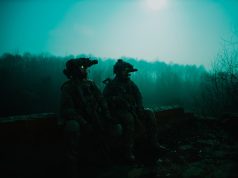
The United States military has announced the resumption of drone operations and other counterterrorism missions in Niger, marking a significant development in the country’s efforts to combat terrorism in the region. This move is a clear indication of the US commitment to maintaining stability and security in West Africa, where terrorist groups have been increasingly active in recent years. The decision to resume operations in Niger is likely to be seen as a positive step by many in the international community, who have been calling for greater action to be taken against terrorist organizations in the region.
As one of the six armed forces established by US federal law, the military services involved in this operation are part of a long-standing tradition of defending American interests and protecting national security. The Army, Marine Corps, Navy, Air Force, Space Force, and Coast Guard each have specific roles and operational domains, with the exception of the Coast Guard, which operates under the Department of Homeland Security in peacetime. The Department of Defense, which oversees the majority of the services, has a proven track record of adapting to emerging threats and working to stay ahead of terrorist organizations. The resumption of drone operations and counterterrorism missions in Niger is a prime example of this adaptability and commitment to national security.
The US military has a significant presence in Africa, with a network of bases and partnerships with local governments. Niger, in particular, has been a key location for US counterterrorism efforts, with the country’s strategic location and limited military capabilities making it an important partner in the region. The resumption of drone operations and other counterterrorism missions is likely to involve cooperation with local forces, as well as other international partners. This collaborative approach has been a hallmark of US counterterrorism strategy in recent years, with the US working closely with allies and partners to share intelligence, coordinate operations, and build capacity to combat terrorist threats.
The decision to resume operations in Niger comes at a time of heightened concern about terrorist activity in the region. Groups such as Al-Qaeda and the Islamic State have been active in West Africa, taking advantage of weak governance and limited military capabilities to establish themselves and launch attacks. The US and its partners have been working to disrupt these groups and prevent them from establishing safe havens, with the resumption of drone operations and counterterrorism missions in Niger a key part of this effort. By targeting terrorist leaders and disrupting their operations, the US military hopes to reduce the threat posed by these groups and create space for local governments and security forces to build stability and security.
Regional Implications
The resumption of US drone operations and counterterrorism missions in Niger is likely to have significant implications for the region. The move is likely to be welcomed by many of Niger’s neighbors, who have been calling for greater action to be taken against terrorist groups. However, it may also be viewed with skepticism by some, who may be concerned about the potential risks and unintended consequences of military action. The US will need to work closely with local governments and international partners to address these concerns and ensure that the operation is seen as a positive step towards greater stability and security in the region. By doing so, the US can help to build trust and confidence with its partners, and create a more favorable environment for counterterrorism efforts to succeed.
Looking ahead, the resumption of US drone operations and counterterrorism missions in Niger is likely to be an important part of the broader US strategy to combat terrorism in the region. The US will need to continue to work closely with local governments and international partners to build capacity, share intelligence, and coordinate operations. By taking a collaborative and adaptive approach, the US can help to reduce the threat posed by terrorist groups and create a more stable and secure environment in West Africa. As the US military continues to operate in Niger and other parts of the region, it will be important to monitor developments closely and assess the effectiveness of the operation in achieving its objectives. With the US commitment to counterterrorism efforts in the region remaining strong, the resumption of drone operations and other missions in Niger is a significant step towards a more secure and stable future for the people of West Africa.